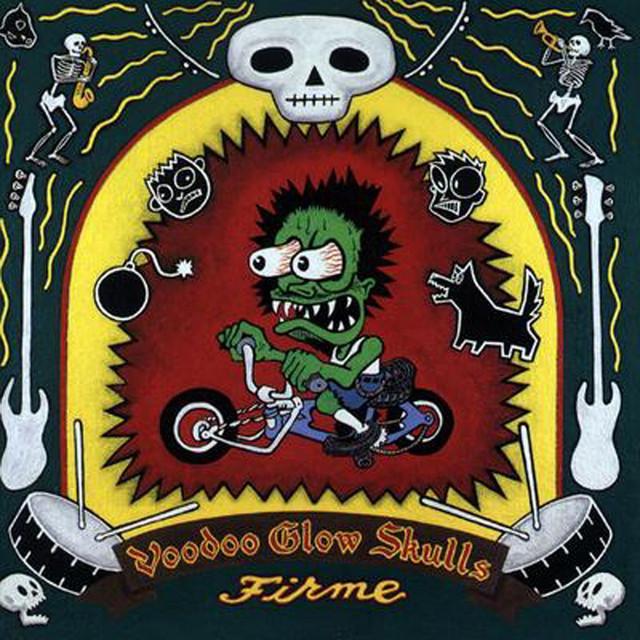
El Coo Cooi by Voodoo Glow Skulls
The meaning of El Coo Cooi Voodoo Glow Skulls comes through fast: this is a song about childhood fear, family warnings, and the way old neighborhood legends stick in the mind. Rather than telling a deep romantic or political story, they build a mini horror scene from a kid’s point of view. Children are outside in the heat, the day starts to fade, and suddenly a strange old figure is said to be coming.
"El Coo Cooi" - Voodoo Glow Skulls
Apurate niño que esta haciendo mucho calor.
Cuando baja el sol ay viene el viejo,
Loading lyrics...
Unable to load lyrics
We're unable to display the lyrics at this time. Please try again later.
That simple setup matters. Voodoo Glow Skulls, a Southern California band known for mixing ska, punk, and hardcore energy, often brought humor and cultural identity into their songs. Here, they use a folk-style warning tale and turn it into a chant-heavy burst of adrenaline. The result feels funny, tense, and memorable at the same time.
A Childhood Threat Turned Into Song
At the center of the track is a familiar idea: adults use a scary figure to make kids behave. The song opens with kids playing outside, then pushes them to hurry because it is hot and because danger seems closer as evening approaches. When the lyrics mention cuando baja el sol
, they tie fear to sunset. Daylight means freedom; darkness means rules return.
The repeated hook El coo cooi
works like the name of a bogeyman. Whether listeners hear it as one specific creature or a broader monster figure, the effect is the same. The chant keeps the fear simple and almost cartoonish, like the kind of warning children half-believe and half-enjoy repeating.
Watch the official El Coo Cooi
music video
How the Verses Build the Story
The song’s narrative is short, but it has a clear arc:
- Children are playing in the street.
- Someone tells them to hurry home.
- The sun goes down and an old man-like figure appears.
- Family warnings about bad behavior get repeated.
That structure makes the song feel like oral storytelling. Lines about what a grandmother said and what happens if a child does not behave give the song its family texture. When the lyric hints tu abuelita
, it frames the fear as inherited wisdom, not random panic.
Interpretation: the song is not only about a monster. It is also about the way adults pass down discipline through stories. Fear becomes a parenting tool, and the child learns that danger may be real, exaggerated, or both.
The Hook Is Fear and Fun at Once
One reason the song lasts in memory is its balance of menace and humor. The laughing vocals and repeated cries make the song feel theatrical. Instead of painting the creature with detailed images, they turn it into a sound, a name, and a group chant.
Ha ha ha haHa huh! Cooi!
That small call-and-response style section matters because it changes the mood. The fear is real inside the story, but the performance feels communal and playful. It sounds like friends telling a scary tale louder and louder until everyone is laughing.
Sound and Style: Why the Music Fits the Meaning
Voodoo Glow Skulls built their reputation on high-speed ska-punk with horns, hardcore shouting, and sharp rhythmic changes. That style is a strong match for this lyric. A slow, serious arrangement might have made the story darker. Instead, the band’s fast tempo gives the warning the energy of childhood chaos.
The vocal delivery is especially important. They do not sing the story softly or with mystery. They attack it. That approach makes the threat feel exaggerated on purpose, as if they are recreating how a childhood fear feels huge when they are young.
Interpretation: the production suggests memory rather than realism. The song sounds like they are reliving a cultural story from childhood, not documenting an actual event. The horns and gang-style vocals turn private fear into public celebration.
A Chicano Folklore Lens
For many listeners, the song connects to broader Latin American and Mexican American folklore traditions, where children are warned about figures who appear at night, punish bad behavior, or haunt the edges of the neighborhood. The exact name here may be local, slang-based, or reshaped through pronunciation, but the role is familiar: a creature used to keep kids in line.
That context helps explain why the song feels vivid even with very few details. The audience is expected to understand the type of story. They do not need a long description. A phrase like Todos los niños
and a warning about the evening are enough to unlock a whole world of family memory.
Alternate Readings Worth Considering
There are at least two useful ways to read the song:
Interpretation 1: A straight folk-horror story
They may simply be retelling a scary character from childhood. In this reading, the song celebrates the thrill of being warned about what comes after dark.
Interpretation 2: A song about social control
They may also be showing how adults shape behavior through fear. The monster matters less than the lesson: obey, come home, and stay safe.
Both readings fit because the lyrics never fully explain the creature. That ambiguity is part of the song’s charm.
Why the Song Still Works
The meaning of El Coo Cooi Voodoo Glow Skulls endures because it captures a universal moment: kids want freedom, adults want order, and stories become the bridge between them. This song turns that moment into a loud, funny, spooky rush.
It also reflects something important about Voodoo Glow Skulls as artists. They could take community language, humor, and punk aggression and combine them into songs that felt specific but welcoming. Even if listeners never heard this exact legend growing up, they understand the emotional logic right away.
In the end, the song is best heard as a cultural memory set to speed and noise. It is about the thrill of being scared, the power of family warnings, and the way folklore survives by being shouted, laughed at, and sung again.
Disclaimer: This interpretation is based on the lyrics provided and widely understood themes in folklore-driven punk songwriting. As with many songs, meaning can vary from listener to listener.







