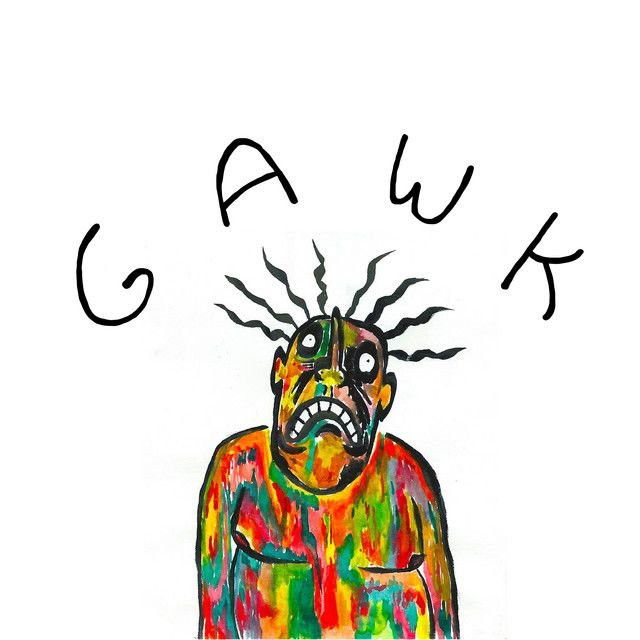
Alien Blues by Vundabar
They don’t need to read a diary to feel what this song is wrestling with. Alien Blues is a sprint through awkwardness, status games, and the strange relief of laughing at your own spirals. The meaning of Alien Blues Vundabar hinges on a voice that is both joking and pleading, paired with a wiry, surf-tinged indie rock churn.
"Alien Blues" - Vundabar
Was it the worst? You'd never know
I try to tell you what I think and play it off like it's a joke
Loading lyrics...
Unable to load lyrics
We're unable to display the lyrics at this time. Please try again later.
A Jester’s Smile Hiding Real Nerves
At its core, the song shows a narrator masking insecurity with jokes and surreal wordplay. The opener—Was it the best you ever had?
—sets a teasing tone, but it also hints at fear of not measuring up. They toss off humor to keep control of the moment.
The address to Mrs. Highness
exaggerates a social gap. It sounds like the narrator feels small around someone who seems above them, whether that’s a lover, a scene tastemaker, or a composite “judge.” Interpretation: the song frames anxiety as a performance before an imagined ruler, where charm and absurdity are armor.
Watch the official Alien Blues
music video
Who’s Talking, and To Whom?
The first-person voice confesses and deflects at once. They present flaws—My teeth are yellow
—and immediately undercut the confession with a joke. Interpretation: it’s self-deprecation used as a shield. The “you” in the song shifts: sometimes a specific person, sometimes a larger audience that might label, rate, or reject them.
In this light, the chorus of nonsensical syllables becomes a safe zone. When words fail, they hum and chant; it’s social noise that covers the awkward silence.
The Images That Stick (and Sting)
The track thrives on lines that sound like throwaway gags until they land a second later. Consider the bright scene that flips quickly into miscommunication and isolation:
The sun is fun, the land is dandy I only talk to dogs because they don't understand me
They describe a perfect day and, in the same breath, admit they can’t connect. Interpretation: the speaker prefers listeners that can’t judge. That idea connects to the urge to clean up and conform—I need to purge my urges
—as if desire itself is a defect that needs purging.
There’s also a scramble for justification—somebody to blame
—and the impulse to control perception—give it a name
. Naming things makes them less scary. Blame shifts the spotlight. Together, these phrases sketch an anxious loop: confess, joke, control, repeat.
What Actually “Happens” in the Song
- A taunting opener flirts with judgment and comparison.
- The narrator plays clown to defuse tension with “Highness.”
- Sunny images crash into private alienation; they’d rather talk to nonjudgmental company.
- Shame spikes, followed by a search for excuses and labels.
- The chant floods in like a crowd singalong, offering brief relief.
Each beat returns to the same itch: how to be seen without giving away too much.
How the Sound Sells the Story
Vundabar’s arrangement mirrors the lyric’s push-pull. Guitars are bright and a little serrated, riding a tight, punchy groove. The tempo drives forward, but the delivery stays slightly deadpan, which keeps the humor dry and the anxiety audible. Interpretation: the band turns nervous energy into motion—you can dance with it, even if you can’t fix it.
The chanted hook of syllables functions like a pressure valve. After jagged verses, the vowels smooth out, and the crowd-friendly melody invites everyone in. It’s a neat trick: community by way of nonsense, which fits a song about feeling alien.
Alternate Readings and Why They Work
- Social satire: Addressing
Mrs. Highness
targets status culture. Beauty standards and tastemaking get skewered when the narrator frets about appearance (My teeth are yellow
) and demands a label for every feeling. - Private spiral: It’s a personal anxiety episode where humor fends off shame. The search for
somebody to blame
is not cruelty; it’s survival.
Both readings mesh because the band sets comedy against discomfort. The song floats like a joke and lands like a confession.
The Song’s Afterlife: From 2015 to Now
Alien Blues first appeared on Vundabar’s 2015 album Gawk. Years later, it found a second life online, where its chant and punchy riff proved highly shareable. That late bloom underscores the song’s point: even messy, self-doubting feelings can become communal when they hit the right nerve.
Final Takeaway
If they had to sum up the meaning of Alien Blues Vundabar in one line, it’s this: anxiety wearing a party hat. The track laughs to keep from cringing, but that laughter is honest. It turns insecurity into rhythm and lets listeners shout along, together, about feeling alone.
Disclaimer: This article offers an interpretation based on lyrics, sound, and public context. Meanings vary for each listener.








