Alive by Wage War
The meaning of Alive Wage War comes through fast: this is a survival anthem for people who feel judged, silenced, or written off. Rather than staying stuck in anger, the song pushes toward resilience. It turns public doubt into a reason to keep moving.
"Alive" - Wage War
This is revolution, a generation rising to become the solution
Torn down by every word
Loading lyrics...
Unable to load lyrics
We're unable to display the lyrics at this time. Please try again later.
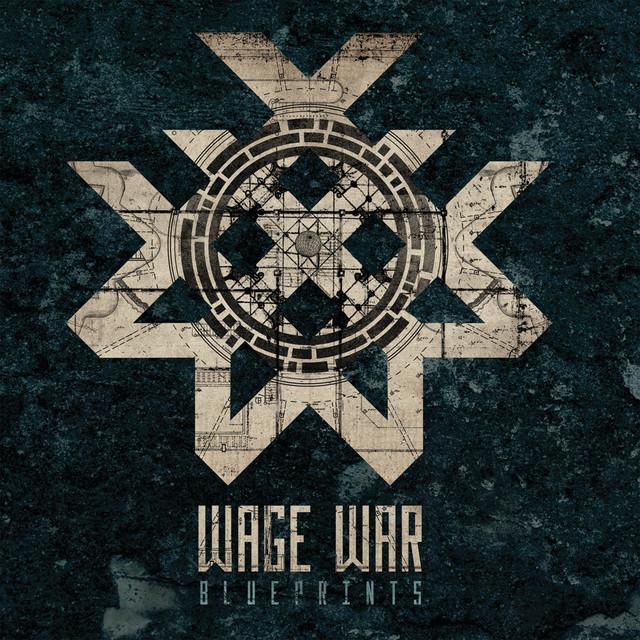
Wage War came out of Ocala, Florida, and built their name in modern metalcore with a mix of crushing riffs and big melodic hooks. The band formed in 2010 and later released their debut album Blueprints in 2015 after signing with Fearless Records. That early context matters, because “Alive” sounds like a band introducing themselves with force and purpose.
A Protest Song, But Also a Personal One
At its core, “Alive” is about refusing to become what critics expect. The opening frames the song as a mass uprising, using the short phrase this is revolution
to suggest collective action. But the song is not only political in a strict sense. It also feels emotional and personal, especially when it describes being broken down by words and denied a voice.
That tension gives the song its power. They present an outside world that shames and condemns, then answer it with endurance. When the chorus returns to never make it out alive
, the phrase acts like the message of every doubter, bully, or broken system rolled into one.
Interpretation: The song can be heard as both a youth rebellion track and an inner battle song. It speaks to social pressure, but it also works as a statement about mental survival.

Watch the official Alive
music video
How the Chorus Flips the Story
The big turning point comes when the song answers that negative prophecy with I survived
. That is the emotional payoff. The line rejects the fate others predicted and replaces it with self-definition.
This matters because the chorus is not just celebrating survival. It is exposing the damage of low expectations. The repeated attack from “they” creates a faceless enemy: authority figures, critics, peers, or even society at large. By answering them directly, the song becomes less about fear and more about reclaiming identity.
The next ideas sharpen that message. The brief lines Hate is a cancer
and Love is the answer
push the song beyond revenge. Instead of saying power comes from hatred, the track argues that hate spreads and destroys. Love, in contrast, is framed as the cure.
The Most Important Theme: Hope Over Despair
One of the strongest parts of the lyric is its choice between hopelessness and belief. The song contrasts despair with the decision to keep faith in something better. It does not pretend the pain is small. The imagery is harsh, and it points to people who feel trapped or cornered.
I'd rather spend my life believing there's hope
Than be obsessed with how to tie the end of my rope
This is the closest thing to the song's mission statement. They draw a line between surrender and endurance, then clearly choose endurance. In plain terms, the song says hope is not weakness. It is an act of resistance.
Because of that, “Alive” lands as more than a simple fight song. It is about staying spiritually and emotionally intact in a culture that often expects collapse.
Symbols of Judgment, Pressure, and Escape
The lyric uses a few strong symbols to build its world:
- Words as weapons: insults and condemnation do real harm.
- The noose image: social judgment feels like public execution.
- Crossing the line: choosing defiance comes with risk.
- Falling deeper: pain can become a cycle if nobody interrupts it.
These images keep the song intense without getting overly abstract. Even when the lyrics speak in slogans, the symbols make the message feel lived-in.
Interpretation: The song's “they” may stand for authority, culture, or internalized shame. The vagueness helps listeners bring their own experience to it.
Why the Sound Feels Like a Rallying Cry
The production style is a major reason the track works. Wage War are widely associated with metalcore and melodic metalcore, styles that often combine screamed verses, clean hooks, and breakdown-heavy dynamics. That blend fits “Alive” perfectly because the song needs both confrontation and uplift.
The shouted opening feels like a call to attention. The verses punch forward with aggression, while the chorus opens into a bigger, more communal sound. That contrast mirrors the meaning: pressure in the verses, release in the chorus.
The songwriting credits also fit Wage War's early era. The provided credits list Andrew Wade, Briton Bond, Cody Quistad, Jeremy McKinnon, and Seth Blake, and Wage War's early material has often been associated with the Wade/McKinnon production and writing orbit around Florida heavy music. That helps explain why “Alive” feels polished but still urgent.
Where “Alive” Sits in Wage War's Identity
As an early Wage War song, “Alive” captures themes the band returned to often: pressure, self-conflict, endurance, and catharsis. Their catalog later expanded into more radio-ready hard rock and broader emotional territory, but this track shows the directness that first drew fans in.
It also reflects a wider metalcore tradition in the United States. Many songs in the genre speak to alienation and struggle, but “Alive” stands out because it refuses to stay in bitterness. Even at its harshest, it is trying to move from accusation to healing.
Final Take on the Meaning of Alive Wage War
The meaning of Alive Wage War is about surviving the voices that predict failure and refusing to let hatred define the outcome. It presents pain honestly, but it does not glorify despair. Instead, it argues that endurance, hope, and love are stronger than shame.
That is why the song still hits. It sounds like a breakdown anthem, but underneath the heaviness is a simple claim: they may be judged, but they are still here.
Disclaimer: This interpretation is based on the lyrics provided, the song's musical style, and publicly available artist context. As with most songs, listeners may hear different meanings in the same lines.








