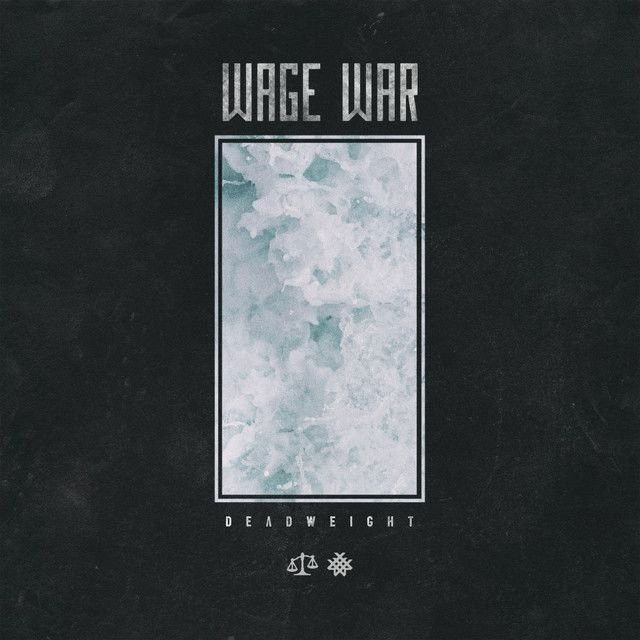
Stitch by Wage War: Meaning Behind the Wound
The meaning of Stitch Wage War comes down to emotional damage that refuses to heal. The song captures the moment when heartbreak turns into accusation, and when sadness hardens into anger.
"Stitch" - Wage War
As low as I can get, burn the bridge, rip the stitch out
Pick it up
Loading lyrics...
Unable to load lyrics
We're unable to display the lyrics at this time. Please try again later.
Wage War released “Stitch” on their 2015 debut album, Blueprints, a record that helped establish them in modern metalcore. The band formed in Florida, and the album was released through Fearless Records, with Joey Sturgis credited among its producers according to the album notes and major music databases.
The Core Hurt at the Center
At its heart, “Stitch” is about being left emotionally wrecked by someone who once mattered. The narrator does not sound confused for long. They sound wounded, then furious, then resolved.
The opening image is one of damage: a person is left in darkness with a heart that feels torn open. When the song repeats rip the stitch out
, it turns pain into a physical image. A stitch is supposed to close a wound. Tearing it out means reopening what should have healed.
Interpretation: This is why the song feels more violent than a simple breakup track. It is not just about loss. It is about someone making that loss worse on purpose, or at least with cold indifference.

Watch the official Stitch
music video
A Relationship Told in Fast, Sharp Fragments
The lyrics move like flashes of memory rather than a full story. Still, the emotional timeline is clear:
- The narrator is blindsided by a collapse.
- They realize the other person was already preparing to leave.
- They accuse that person of treating the bond like a game.
- They finally answer the betrayal with anger and distance.
That sequence matters. Early lines stress shock and helplessness, especially in phrases like blindsided
and more than I can stand
. Later, the tone changes. By the time the song reaches the accusations of greed and betrayal, the narrator is no longer just grieving. They are judging what happened.
This shift is a big part of the meaning of Stitch Wage War. The song is not frozen in one feeling. It shows heartbreak mutating into self-protection.
Why the Chorus Hits So Hard
The chorus is memorable because it compresses the whole emotional wound into a few harsh images. The song returns to darkness, a damaged heart, and the repeated tearing open of the wound.
That repetition makes the pain feel inescapable. Each return to leave me in the dark
sounds less like a question and more like a verdict. The other person has already decided to disconnect.
Interpretation: The chorus may also show the narrator replaying the injury in their mind. The wound keeps happening because they cannot stop reliving it.
The Song’s Key Images, Decoded
Stitches, knives, and bridges
“Stitch” uses blunt, physical symbols for emotional pain. A stitch suggests attempted healing. A knife in the back suggests betrayal. A burned bridge means there is no way back.
None of these images are subtle, but that is the point. Metalcore often favors high-impact language because the genre works through extremes. Here, those extremes make the pain sound immediate and bodily.
Darkness and erasure
The song also uses emptiness as a theme. When the narrator says they feel unseen and pushed aside, the pain is not only heartbreak. It is erasure.
The phrase to you I don't exist
is especially important. It suggests a relationship in which one person has emotionally checked out so completely that the other feels deleted.
How the Sound Carries the Message
Part of what makes “Stitch” land so hard is its production. Wage War build the song around chugging riffs, sudden rhythmic punches, and a breakdown that feels like a physical blow. The clean and harsh vocal contrast also matters.
The screamed sections carry accusation and panic. The more melodic moments let the hurt show through. That combination keeps the song from feeling one-note. They are not just hearing rage; they are hearing rage that grew out of grief.
This is where Wage War’s style helps the meaning. On Blueprints, the band often balance catchy hooks with heavy breakdowns, a trait noted in coverage of the album by outlets such as Loudwire and New Noise. In “Stitch,” that mix mirrors the emotional split between attachment and rejection.
The Last Lines Change the Whole Song
The ending gives the song its most revealing emotional turn. After so much bitterness, the final thought admits the other person once gave the narrator a kind of hope or self-worth they could not find alone.
You were the lightI could never see in myself
That brief moment does two things. First, it explains why the betrayal cuts so deep. Second, it shows that beneath all the anger, there is still grief for what the relationship once meant.
Interpretation: Some listeners may hear this ending as a final confession, while others may hear it as proof that the whole song is about dependency as much as betrayal. Both readings fit the text.
So, What Is the Meaning of Stitch Wage War?
The meaning of Stitch Wage War is the sound of a bond being torn open after trust is broken. It is about abandonment, resentment, and the struggle to reclaim dignity after someone leaves damage behind.
What gives “Stitch” staying power is how direct it is. The lyrics do not hide behind abstract poetry, and the music does not soften the blow. Together, they turn emotional betrayal into something listeners can almost feel in their chest.
That is why the song still connects with fans of metalcore: it understands that heartbreak is not always quiet. Sometimes it sounds like a breakdown.
Disclaimer: This article offers interpretation based on the lyrics, recording context, and public information. Song meanings can remain open to different listener readings.







