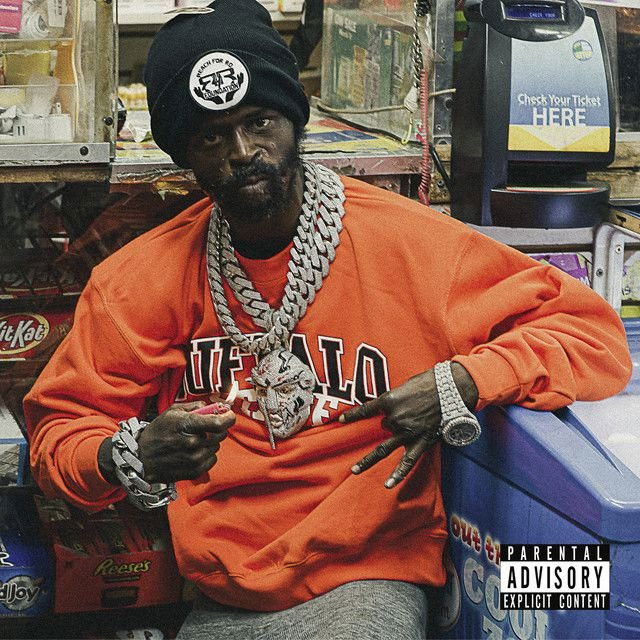
Science Class by Westside Gunn, Busta Rhymes, Raekwon, Ghostface Killah, Stove God Cooks
The meaning of Science Class Westside Gunn, Busta Rhymes, Raekwon, Ghostface Killah, Stove God Cooks starts with one idea: friendship can rot into suspicion, and once trust breaks, everything else turns into score-settling. Even with several voices on the track, the song feels focused. It keeps returning to a memory of closeness that now sounds impossible to recover.
"Science Class" - Westside Gunn ft. Busta Rhymes, Raekwon, Ghostface Killah, Stove God Cooks
Niggas know I'm the plug, now plug me in a socket
On gates between Marcy and Nostrand, rollin' up some chocolate
Loading lyrics...
Unable to load lyrics
We're unable to display the lyrics at this time. Please try again later.
A Street Lesson Hidden Inside a Reunion Track
At its core, the song is about betrayal, loyalty, and the way old bonds survive only as painful memories. Westside Gunn opens from that angle. They frame the story around people who once moved as a unit but now stand on opposite sides.
That is why the refrain matters so much. The repeated phrase we used to be good friends
is simple, but it changes how every verse lands. Without it, many of the bars might read as pure boasting or threat. With it, the song becomes a postmortem for a broken relationship.
Interpretation: The title “Science Class” suggests hard-earned knowledge. In rap, “science” can mean insight, code, or game. So the song reads like a lesson in how the street teaches people about loyalty through pain.
Watch the official Science Class
music video
Westside Gunn Turns Memory Into Accusation
Westside Gunn’s section carries the emotional center. They move from nostalgia into disappointment, then toward judgment. A line like loyalty should be a blessin'
captures the standard they believe was violated.
They also make the betrayal feel personal, not just tactical. When they compare the relationship to family and later invoke Cain and Abel, they raise the conflict from business to brotherhood. That biblical image suggests a bond so close that betrayal becomes tragic, not merely expected.
Another key phrase is the truth on the table
. That line matters because it sounds like a final reckoning. They are no longer confused. They are naming what happened and drawing a line.
The Guests Broaden the Song’s World
Raekwon and Ghostface Killah bring the texture of classic street rap. Their verses are full of places, routines, products, and coded talk. Those details do more than show style. They place betrayal inside a living environment where money, drugs, violence, and status all press against friendship.
Ghostface, especially, pushes the song into direct confrontation. When he recalls shared crimes and shared women, then flips into threats, the message is clear: intimacy can become ammunition. What was once closeness now becomes evidence.
This is one reason the collaboration works so well. These are rappers known for vivid crime narratives and dense imagery. Their presence adds weight because the song is not only about one fallout. It becomes a larger statement about how loyalty collapses inside pressure-heavy worlds.
Stove God Cooks Adds the Coldest Twist
Stove God Cooks enters with a different energy: flamboyant, fast, and almost gleeful in excess. But his verse still fits the theme. He turns survival into luxury and risk into performance.
A phrase like coke Gods raised me
shows how identity has been shaped by the drug economy. In his verse, betrayal is less mourned than absorbed into the system. People get watched, judged, and replaced. That makes his section feel like the song’s hardest conclusion: once trust is gone, only appetite and reputation remain.
Why the Hook Hits So Hard
The hook is the emotional anchor. It repeats like a memory they cannot escape. Because it is soft and almost distant beside the aggressive verses, it feels ghostly.
We used to be good friends
a long time ago
That short refrain works because it never overexplains. It leaves space for regret, bitterness, and irony at the same time. Interpretation: The song may be saying that the saddest part of betrayal is not the violence that follows, but the fact that there was once real love underneath it.
Production as Emotional Evidence
The beat supports that reading. The track uses a grim, loop-based feel with a recurring vocal sample that sounds like the past interrupting the present. That contrast is important. The verses are sharp, busy, and image-heavy, while the refrain feels faded and fixed in time.
This kind of production choice fits Westside Gunn’s larger aesthetic. Their work often draws on soul textures, vintage grime, and drum-light loops that leave space for detail-heavy writing. In a song like this, that style makes every threat feel more intimate and every memory more haunting.
Busta Rhymes is credited as a writer here, and the song’s construction reflects a posse-cut tradition: each voice arrives with its own rhythm and pressure, but the theme stays unified. The result is less like a random feature stack and more like a roundtable on broken codes.
The Bigger Meaning of “Science Class”
So what is the meaning of Science Class Westside Gunn, Busta Rhymes, Raekwon, Ghostface Killah, Stove God Cooks? It is about the education that comes from disloyalty. The “class” is not school in a normal sense. It is the harsh lesson taught by streets, history, and failed brotherhood.
The song also shows a classic rap tension: style and pain existing together. There is luxury, wit, swagger, and menace all over the track. But underneath all of that is grief. They are not just celebrating power. They are documenting what it cost.
For listeners, that is why the song sticks. It sounds like elite rap craftsmanship, but its deepest point is human: few wounds cut deeper than watching someone once called family become an enemy.
Final Take
“Science Class” is a showcase record, but it is also a breakup song in hardened form. Its real subject is not just crime or status. It is trust, and what happens after trust is gone.
Interpretation disclaimer: This reading is an informed interpretation based on the lyrics, performances, and known artistic styles of the artists. Songs can support more than one meaning, and not every line should be taken as literal fact.







