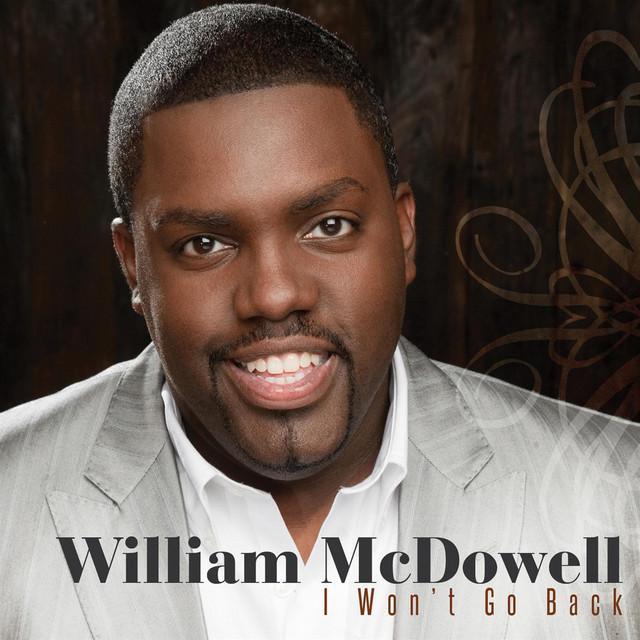
Why "I Won't Go Back" Feels Like a Turning Point
The meaning of I Won't Go Back William McDowell starts with a simple idea: a real encounter with God changes a person so deeply that returning to an old life no longer makes sense. This is not a song about mild self-improvement. It is a testimony song, built to sound like a public decision.
"I Won't Go Back" - William McDowell
(Healed)
(Freed)
Loading lyrics...
Unable to load lyrics
We're unable to display the lyrics at this time. Please try again later.
William McDowell is a gospel and worship artist known for live, congregational songs that mix strong lead vocals with choir energy and call-and-response structure. That context matters here. The song is written less like a private diary entry and more like a room full of people agreeing on one truth together.
The Song’s Core Message Is Permanent Change
At its center, the lyric describes transformation as something already happening and still being declared. The singer says they have been changed, healed, freed, and delivered. Those words move in a clear line from inner pain to outward freedom.
The key idea is not just that God comforts them. It is that God alters their direction. When the song repeats I won't go back
, it frames change as a choice after grace has already arrived. In other words, the person is not earning freedom; they are responding to it.

Watch the official I Won't Go Back
music video
From Testimony to Decision
One reason the song connects so strongly is that it combines two familiar gospel forms:
- testimony about what God has done
- declaration about what the believer will do next
The first half names blessings like joy
, peace
, and grace and favor
. The second half draws a hard line between the past and the future. That movement gives the song momentum. It starts with gratitude, then becomes commitment.
How the Verses Build the Story
Even though the lyric is highly repetitive, it still has a clear sequence.
First, they name the transformation
The opening stack of words—change, healing, freedom, deliverance—works like a summary of salvation and restoration. The song does not spend much time on details. Instead, it gives broad categories that many listeners can place their own story into.
Then, they locate the source
The repeated mention of God’s presence explains where the change comes from. The song says this shift happened in the presence
of the Lord, which in worship language usually means an immediate, personal experience of God rather than a distant belief.
Finally, they reject the old life
The emotional peak comes when the singer turns from description to refusal. The line about not going back is powerful because it assumes the past still exists as a possibility. The song’s victory is not that temptation vanished. It is that the singer’s allegiance changed.
What the Hook Really Means
The chorus is plain on purpose. Its message is easy to remember, easy to sing, and easy to turn into a communal confession.
can't go back
to the way it used to be
before God’s presence changed them
That short passage contains the whole theology of the song: there was a "before," there is an "after," and the dividing line is divine encounter. The phrase can't go back
is especially interesting. It sounds stronger than preference. It suggests that true change creates a new identity, making the old life feel impossible, not just undesirable.
Shame, Fear, and the End of Chains
Another important layer in the meaning of I Won't Go Back William McDowell is its language of release. The song mentions shame, guilt, sins, chains, fear, and the past. These words widen the song’s reach.
Some listeners may hear a classic Christian message of forgiveness and redemption. Others may connect it to addiction recovery, emotional healing, or surviving a painful chapter. Interpretation: that broad wording is likely part of why the song works so well in worship. It leaves room for personal testimony without losing its gospel focus.
Why the Live Gospel Sound Matters
The production style carries the message as much as the words do. McDowell’s music often leans on live-band dynamics, layered backing vocals, and repetition that grows in intensity. In a song like this, repetition is not filler. It acts like reinforcement.
As voices answer the lead and the refrain keeps returning, the track sounds like a congregation practicing resolve in real time. The groove stays steady while the vocal urgency rises. That combination makes the song feel less like performance and more like spiritual insistence.
Artist Context and Worship Purpose
McDowell has built much of their reputation through worship music centered on God’s power, presence, and transformation. This song fits that pattern closely. It belongs to the Christian and Gospel tradition of songs that turn doctrine into lived experience.
Rather than explaining theology in abstract terms, the lyric presents results: changed life, forgiven past, broken chains, new peace. That practical language helps the song reach people who may not use formal church terms every day.
A Clear Takeaway for Listeners
The meaning of I Won't Go Back William McDowell is about crossing a spiritual line and refusing to uncross it. The song sees change as both gift and decision: God changes the person, and the person answers by moving forward.
That is why the song still lands with force. It offers more than comfort. It gives listeners a phrase for the moment when healing becomes commitment and gratitude becomes a vow.
Disclaimer: This interpretation is based on the released lyrics, gospel worship conventions, and publicly known artist context. As with any song, listeners may connect with it in different personal or spiritual ways.







