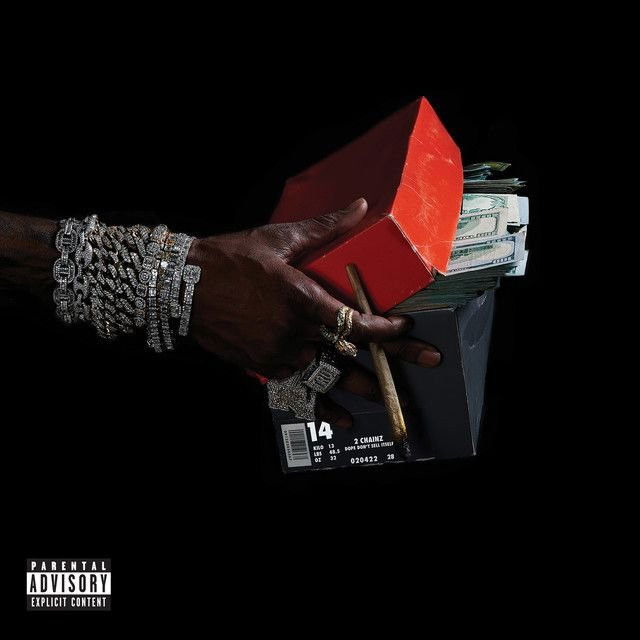
Why “Vlad TV” Turns Hustle Into Warning
The meaning of Vlad TV 2 Chainz, Stove God Cooks, Symba, Major Myjah starts with one blunt idea: hustle is work, and public confession can destroy the worker.
"Vlad TV" - 2 Chainz ft. Stove God Cooks, Symba, Major Myjah
Provided by LyricFindI watched a nigga go on VLAD TV, he told on himself (shh)
Bought bricks, bought pounds
And we learned that dope ain't gon' sell itselfLoading...Loading lyrics...
Unable to load lyrics
We're unable to display the lyrics at this time. Please try again later.
A Hook About Labor, Not Legend
On the surface, “Vlad TV” is a street-rap posse cut packed with vivid details, flexes, and dark jokes. But its core message is simpler than its imagery. The song keeps returning to one point: dope ain't gon' sell itself
. In plain terms, they frame the drug trade as constant labor, planning, and risk rather than effortless myth.
That repeated line matters because it strips away romance. Instead of presenting crime as magic, the song describes it as logistics, pressure, and repetition. The title adds a second message: talking too freely in public can be its own trap. When the hook says someone told on himself
, the song turns VladTV into a symbol of self-exposure, whether literal or cultural.
Watch the official Vlad TV
music video
Why the Title Hits So Hard
The phrase “Vlad TV” is not just name-dropping a media outlet. It works as shorthand for a whole era in rap, where interviews, podcasts, and viral clips blur the line between storytelling and self-incrimination. Interpretation: the song is warning that in modern hip-hop, the hustle can be undone not only by police or rivals, but by the urge to perform authenticity on camera.
That idea fits 2 Chainz’s larger album context. Dope Don’t Sell Itself, released on February 4, 2022, was billed by 2 Chainz as his “last trap album,” making songs like this feel like a summing-up of the style’s themes and costs. The album was his seventh studio LP and featured Stove God Cooks, Symba, and Major Myjah on this track. It was released through T.R.U. and Def Jam and later peaked at No. 23 on the Billboard 200.
Three Voices, One World
Stove God Cooks: chaos with precision
Stove God Cooks opens with gritty images of kitchens, hidden compartments, and movement. He makes the drug economy sound both absurd and highly organized. His verse is full of swagger, but the details also show how much thought goes into survival.
When he brags that his light stay on
, they are hearing more than confidence. Interpretation: he is claiming endurance in a world designed to burn people out.
Symba: the cold business logic
Symba’s verse is the clearest statement of the song’s thesis. He almost sounds like he is giving a lesson in distribution. That is why lines about a brick not growing limbs or a pack not booking travel are so central: he reduces the hustle to systems, effort, and human agency.
His mention of TV crime fantasy, especially people thinking they are “Ghost,” mocks those who confuse entertainment with the real thing. The song’s world is not cinematic to them; it is practical, risky, and often ugly.
2 Chainz: memory, wit, and trap autobiography
2 Chainz closes by sounding reflective as much as flashy. He remembers old methods, stash spots, and routines with a veteran’s eye for detail. Even when the bars are funny, they carry nostalgia for a past built on danger.
That matters on an album presented as a possible farewell to trap as a mode. According to reviews from outlets like Rolling Stone and Exclaim!, the record often plays like a return to core 2 Chainz territory: colorful bars, charisma, and hustler talk. “Vlad TV” may be one of the album’s strongest examples of that mission.
The Chorus Is the Thesis Statement
The chorus does two jobs at once. First, it repeats the song’s street-economics lesson. Second, it frames that lesson against reckless public speech. The result is a neat contrast: real hustling requires discipline, while clout-chasing invites collapse.
bought bricks, bought pounds
and we learned
dope ain't gon' sell itself
That short refrain feels almost like a bitter proverb. Interpretation: they are not celebrating the game as much as explaining its rules in the bluntest possible way.
How the Sound Carries the Message
“Vlad TV” runs about four and a half minutes, making it one of the longer tracks on the album. It was credited to producers LordQuest and Caston Grigsby. The beat is roomy and hard-edged, with enough space for each rapper to sound distinct instead of rushed.
That production choice matters. A crowded beat would turn the song into pure bravado. This one leaves room for pauses, ad-libs, and emphasis, so the listener catches the hook’s warning as clearly as the verses’ details. Major Myjah’s contribution helps the refrain feel melodic and memorable, which is important because the hook carries the song’s central argument.
Beyond Crime Rap: A Song About Self-Exposure
The meaning of Vlad TV 2 Chainz, Stove God Cooks, Symba, Major Myjah is not only about drug dealing. It is also about labor, performance, and the danger of oversharing. In that sense, the title reaches beyond one platform. It points to a culture where real experience becomes content, and content can become evidence.
That gives the song an edge many trap records do not have. It still enjoys the wit, style, and outrageous detail of the genre. But underneath the flexing is a warning: if the hustle already demands everything, why make the downfall easier by narrating it yourself?
Final Read on “Vlad TV”
Taken as a whole, “Vlad TV” is a sharp late-album statement from 2 Chainz and company. It turns a catchy hook into a lesson about work, survival, and silence. The song’s best trick is that it sounds fun on first listen, then colder the more they think about what it is actually saying.
Interpretation disclaimer: This reading is an informed analysis based on the lyrics, artist context, and production credits. Song meaning can vary from listener to listener.









