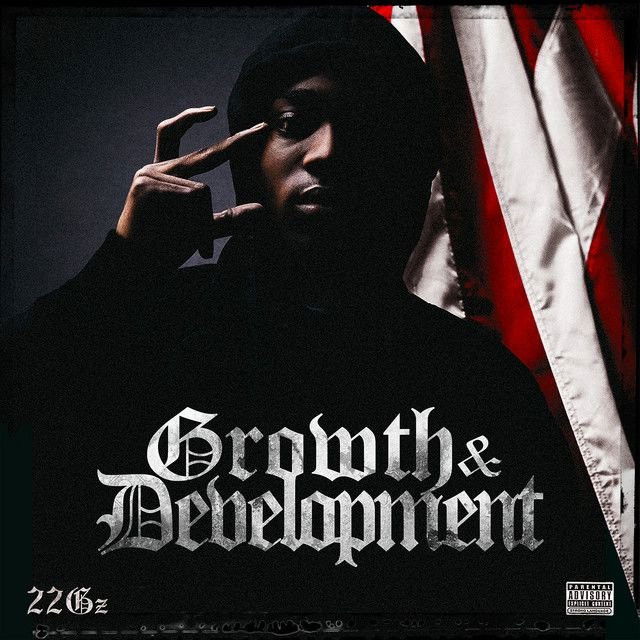
Blixky Gang Freestyle by 22Gz
The meaning of Blixky Gang Freestyle 22Gz starts with pressure. This is not a reflective song or a hidden-love song dressed up as rap. It is a drill freestyle built to project danger, crew loyalty, and dominance. 22Gz uses blunt scenes, repeated slogans, and taunting confidence to make one point clear: they want listeners to hear a person who sees themself as real, feared, and untouchable.
"Blixky Gang Freestyle" - 22Gz
Grrt
Told my shoota don't hit no legs
Loading lyrics...
Unable to load lyrics
We're unable to display the lyrics at this time. Please try again later.
For casual listeners, that can make the track sound one-note. But inside that hard shell, the song is carefully doing several jobs at once: defending reputation, promoting the Blixky identity, mocking rivals, and turning aggression into performance.
The Core Message Behind the Noise
At the simplest level, the song is about power. 22Gz frames themself as someone who acts instead of talks, and someone whose name carries weight in the streets. When they say others rap about them, they suggest that their image has already become larger than one moment or one beef.
That is why the repeated phrase blicky
matters so much. In the song, it is more than a weapon reference. It becomes a brand word, almost like a signature stamp. The repetition turns one object into a whole identity: readiness, violence, and crew allegiance all packed into one sound.
Interpretation: The song’s real subject is not only conflict. It is image control. 22Gz wants to define who they are before rivals, fans, or the media do it for them.

Watch the official Blixky Gang Freestyle
music video
How the Verses Build a Street Persona
Rather than tell one clean story from start to finish, the freestyle moves in bursts. One line threatens enemies, the next flexes clothing, the next mentions sex, money, or public appearances. That jumpy structure is part of the point. It creates the feeling of a life where danger and status sit side by side.
When 22Gz mentions I'm disturbin' the peace
, the idea is bigger than causing trouble. They are presenting themself as a disruptive force, someone who enters a space and changes its energy. A line about designer fashion, including rockin' Amiris
, then adds another layer: power is also visible. It has a look.
This mix of menace and luxury is common in drill. Threats show control over enemies, while brand-name details show success and visibility. In this song, both are part of the same self-portrait.
Crew First, Always
One of the strongest themes is group identity. Even when 22Gz sounds like the center of attention, the track keeps circling back to the gang. The repeated chants of gang affiliation make the record feel collective, not solo. Their voice is performing for and with a circle behind them.
That matters because drill often treats reputation as shared property. If one member is disrespected, the whole group is challenged. So when the song warns enemies to duck
when they spin through, it is not just an individual threat. It is the sound of a crew claiming territory and unity.
Interpretation: The song argues that survival and status come from belonging. The self in the song only makes sense inside the gang.
Violence as Language, Not Plot
The lyrics contain graphic threats and brutal imagery. Rather than repeat them in detail, it is more useful to notice what they do. They create a world where mercy is weakness, retaliation is expected, and fear is social currency.
A phrase like they ain't scorin'
sounds almost athletic, but it turns conflict into competition. Elsewhere, sports references and quick-movement language make violence sound strategic, fast, and routine. That is part of drill’s style: danger is presented with the rhythm of a game plan.
This does not mean the song should be read as literal reportage. Drill often mixes reality, exaggeration, persona, and provocation. The emotional truth is the need to appear fearless.
Why the Production Hits So Hard
The beat, credited in the lyrics tag to Ghosty, does major storytelling work. Brooklyn drill production often uses sliding bass, tense space, and sharp percussion, drawing from UK drill while shaping a local sound. 22Gz is widely recognized as an early Brooklyn drill figure by outlets like The Fader and Pitchfork.
Here, the instrumental leaves room for ad-libs, threats, and repeated words to land like punches. The stop-start feel, growled interjections, and percussive delivery make the track feel unstable in a deliberate way. It sounds like movement, chase, and escalation.
That is why even a short phrase like spin back 'round
carries so much weight. The production makes repetition feel obsessive. Musically, the song keeps returning to pressure, just as the lyrics keep returning to retaliation.
Artist Context Shapes the Meaning
22Gz has been closely tied to the rise of Brooklyn drill, a scene known for direct conflict, local alliances, and highly coded street language, as noted by Rolling Stone and Complex. Knowing that context helps explain why this freestyle sounds so confrontational. It is part of a larger culture of self-definition, rivalry, and neighborhood-based identity.
The credited writers here are Brad Moss, Jeffrey Alexander, and Kevohn John. Even without a full official release context provided, the writing reflects drill’s key method: compress a whole persona into sharp, memorable phrases.
Final Take on Its Meaning
So, what is the meaning of Blixky Gang Freestyle 22Gz? It is a performance of dominance. The song turns threat, loyalty, and swagger into one loud public image. They use violence, fashion, sex, and crew chants not as separate topics, but as pieces of the same claim: they are established, dangerous, and impossible to ignore.
For some listeners, that makes the song exciting. For others, it makes it disturbing. Both reactions fit the design. The freestyle wants to provoke.
Disclaimer: This interpretation is based on the lyrics, performance style, and known drill context. As with any song, listeners may reasonably hear different meanings in its words and tone.








