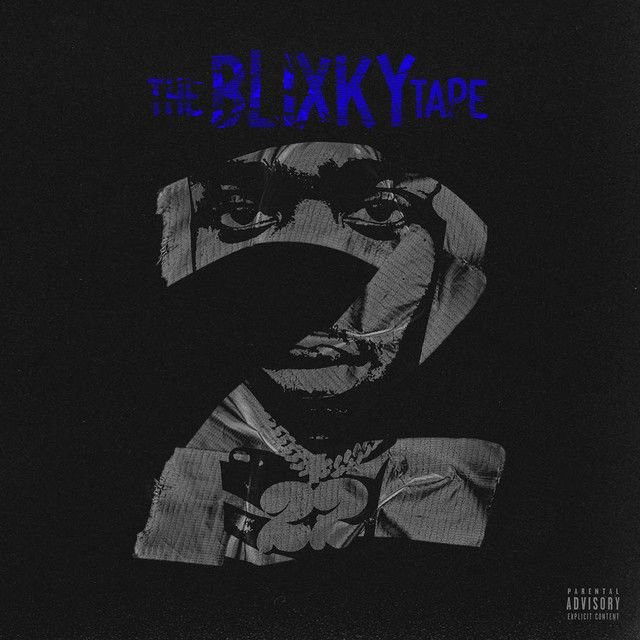
Twirlanta by 22Gz: Drill as Threat and Flex
The meaning of Twirlanta 22Gz comes through fast: this is a drill song about power, image, and retaliation. Rather than telling one clean story, 22Gz stacks threats, boasts, and street-coded details to build a persona that feels untouchable. The record is less about reflection than pressure.
"Twirlanta" - 22Gz
I'm the hottest young nigga in the city (skrr, skrr, skrr)
(Rra-rra-rra)
Loading lyrics...
Unable to load lyrics
We're unable to display the lyrics at this time. Please try again later.
That matters because 22Gz has long been linked with the rise of Brooklyn drill, a scene known for dark beats, local slang, and hard-edged rivalries. In that context, “Twirlanta” works like a status update. They frame themselves as someone with money, backup, and a reputation that should not be tested.
The Core Message Beneath the Aggression
At its core, the song argues that respect comes from two things: visible success and the willingness to answer disrespect. Early lines move between fashion and force, which is key to the track’s worldview. When they say too drippy to scuff 'em
, the point is not just clothes. It is that they see themselves as above ordinary fights, but still fully ready for escalation.
That contrast continues with turned nothin' to somethin'
. Beneath the violence, there is also a familiar rap theme: rising from lack into wealth. The diamonds, designer references, and swagger are proof of progress. In other words, the song says success has been earned, and now it must be defended.
Interpretation: The track treats luxury as more than decoration. Jewelry and “drip” become symbols of survival and status in a hostile world.
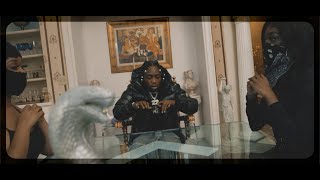
Watch the official Twirlanta
music video
A Voice Built for Warning Shots
The speaker in “Twirlanta” does not sound conflicted. They sound performative, blunt, and constantly aware of enemies. That voice is typical of drill, where repetition and direct threats help create tension. Here, the repeated hook makes the message simple: there are people ready to act, and there is no need for hand-to-hand struggle when force can be outsourced or escalated.
The phrase why would I tussle?
captures that attitude. On the surface, it is a flex. Underneath, it shows how the song values control and distance. They are not presenting violence as chaotic; they present it as efficient.
There is also an obsession with fake versus real. When they mention others cappin', bluffin'
, the song draws a sharp line between genuine danger and internet performance. That divide is central to drill culture, where authenticity is part of the competition.
How the Verses Move
Even without a full narrative, the verses follow a pattern:
- They establish status through heat, style, and reputation.
- They accuse rivals of stealing style or pretending.
- They threaten payback for disses and disrespect.
- They return to wealth and movement, showing they have advanced beyond their past.
That structure makes the song feel cyclical, almost ritualistic. Every flex leads to a threat, and every threat leads back to a flex. The world of the song has no calm middle ground.
Symbols That Carry the Meaning
Several recurring images deepen the meaning of Twirlanta 22Gz.
Drip as armor
Clothing and diamonds are not just signs of taste. They act like armor. Looking expensive means they have made it, but it also invites envy. That is why the song keeps linking style with danger.
Weapons as authority
The many gun references are part of drill’s language of intimidation. They are meant to establish reach and seriousness. In this song, weapons are less about storytelling detail than about making every conflict sound one-sided.
Crews, names, and affiliation
The track ends by naming group ties, which reinforces belonging. In drill, identity is often collective. They are not speaking only as an individual star; they are speaking as part of a larger unit.
Why the Hook Matters So Much
The hook is the song’s thesis. It keeps circling back to a few ideas: trusted hitters, expensive style, and elevation from struggle. Because it repeats, those ideas become the lens for everything else in the verses.
My stepper gon' brush him
we done turned nothin' to somethin'
Those short lines show the two poles of the record: threat and triumph. One is about enforcement. The other is about transformation. Together, they explain why the song feels both celebratory and menacing.
How the Production Supports the Message
Though production credits are not confirmed in the provided context, the song fits the stripped-down, menacing design associated with Brooklyn drill: hard drums, eerie space, and a vocal delivery that punches through the beat. That sonic frame matters. It leaves room for every ad-lib, pause, and threat to land heavily.
The performance is just as important as the words. 22Gz raps with clipped aggression, making each bar sound like a challenge rather than a confession. The ad-libs create motion and chaos, while the repeated hook makes the track stick like a chant.
Interpretation: The beat does not soften the lyrics or complicate them emotionally. It sharpens them, making the song feel like a public warning and a victory lap at the same time.
Final Take on “Twirlanta”
So, what is the meaning of Twirlanta 22Gz? It is a drill record that turns survival, image, and retaliation into one unified message. The song argues that status must be displayed loudly and protected aggressively.
For listeners, the key is to hear both sides at once: the flex of having made it and the paranoia of having to keep it. That tension is what gives “Twirlanta” its force.
Disclaimer: This interpretation is based on the lyrics provided, genre context, and publicly known artist background. As with many rap songs, some lines may be exaggerated, symbolic, or performative rather than strictly literal.









