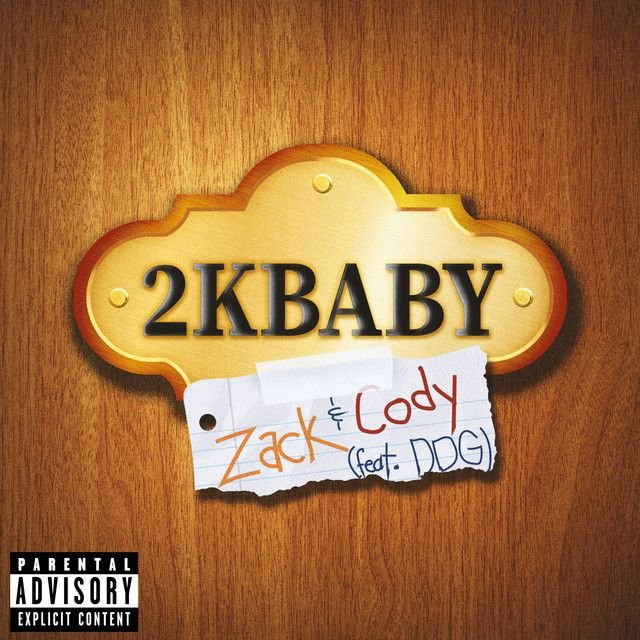
Why “Zack & Cody” Feels Rich and Lonely
The meaning of Zack & Cody 2KBABY, DDG comes down to a tension that rap often handles well: success looks glamorous from the outside, but living inside it can feel isolating. The song uses flexes, hometown loyalty, and TV nostalgia to show how quickly life can change once money arrives.
"Zack & Cody" - 2KBABY ft. DDG
I was just like you, step in my shoes and shit get lonely, oh
Swear I was that dude that had no clue this shit was for me, oh, oh
Loading lyrics...
Unable to load lyrics
We're unable to display the lyrics at this time. Please try again later.
Even before the details of wealth show up, the hook sets the real mood. They say people may think they understand them, but they really do not. That gap between public image and private pressure is the song’s emotional center.
The real message under the flexes
At its core, “Zack & Cody” is about two things happening at once:
- They are enjoying the rewards of making it.
- They are learning that money also brings distance, suspicion, and loneliness.
The key line is the admission that if others could step in my shoes
, they would see how lonely this life can be. That matters because it interrupts the bragging. Instead of pure victory, the song offers a more mixed feeling: they earned the lifestyle, but they no longer trust everyone around them.
When the chorus calls it the sweet life
, the phrase works as a joke and a warning. It references The Suite Life of Zack & Cody, turning a familiar Disney image into shorthand for luxury and wish fulfillment. But unlike the sitcom, this version of the “sweet life” includes fake friends and emotional strain.
Watch the official Zack & Cody
music video
Why the title matters more than it first seems
The title is smart because it does quick cultural work. Most listeners in the United States know “Zack & Cody” as a symbol of comfort, fun, and a charmed life. In the song, that image gets updated into rap terms: expensive habits, status, and being surrounded by attention.
Interpretation: the title also suggests a youthful fantasy finally becoming real. They once imagined a better life, and now they are in it. But the song keeps asking whether fantasy is easier than reality.
That contrast gives the track its hook. The “sweet life” sounds good, yet the repeated stress about people being phony
tells listeners not to mistake luxury for peace.
A chorus built on mistrust and loyalty
The chorus does more than repeat a catchy idea. It creates the song’s emotional structure.
First, it opens with misunderstanding: people think they know them. Then it moves to pressure and loneliness. After that, it shifts into loyalty, especially when they talk about a brother or day-one friend being ready to back them up. Finally, it lands on spending and showing proof.
That order matters. The song says fame changes the social world around a person, so loyalty becomes priceless. In that sense, the boast about never leaving a close friend is not filler. It is a defense against the instability that success can bring.
What happens in the verses
2KBABY’s side of the story
2KBABY’s writing frames success as surprising but not simple. They look back at a version of themselves who did not fully know music was meant for them. That memory gives the song some humility, even when the bars turn flashy.
Then the verse tightens into a harder posture. They contrast their rise with people who talk big but have little to show. The wording about not being average and not always flashing money suggests a code: real success does not need constant proof.
DDG’s feature adds real-world momentum
DDG’s verse fits because his public story already mirrors internet-age ambition. He rose from YouTube and streaming into rap, signed with Epic Records in 2018, and later scored a Billboard Hot 100 hit with “Moonwalking in Calabasas,” according to publicly available career summaries and chart reporting. He is also credited as a featured artist on “Zack & Cody” in release listings tied to First Quarter.
Inside the song, his verse is about acceleration. He describes haters, money, moving to Los Angeles, relationship turbulence, and the sense that other people now want access because his status changed. The phrase moved out to LA
is especially useful: it marks a physical move, but also a social one. He is not just in a new place; he is in a new class of visibility.
How the production supports the meaning
The production helps sell the mixed emotion. The beat feels smooth and melodic rather than aggressive, which is important. A harsher instrumental might have turned the song into a diss-heavy record. Instead, the airy feel leaves room for reflection.
That softer backdrop makes lines about loneliness hit harder. The drums still knock, but the melody gives the vocals a floating quality, as if they are riding success while trying not to sink into its side effects. In simple terms, the beat sounds rich, but not fully relaxed.
Interpretation: this is why the chorus sticks. Its melody is easygoing, yet the words carry emotional static underneath.
The song’s biggest themes
Several themes shape the meaning of Zack & Cody 2KBABY, DDG:
- Success with a cost: money and recognition solve old problems, but create new ones.
- Image versus reality: the public sees a glow-up; the artists feel pressure.
- Loyalty: close friends matter more when fame brings opportunists.
- Distrust: repeated references to fake people show emotional armor.
- Sudden transition: moving fast from uncertainty to luxury can feel disorienting.
One of the most revealing moments is the idea that others may think they know them. That line tells listeners the song is not only a flex. It is also a correction.
Final takeaway on the song’s meaning
“Zack & Cody” is about living the dream and learning the dream has edges. The title makes the lifestyle look playful, but the lyrics keep returning to loneliness, fake energy, and the need to protect real bonds.
So the song works best as a contrast piece: bright on the surface, guarded underneath. That is what gives it replay value.
Disclaimer: This interpretation is based on the released lyrics, the artists’ public personas, and the song’s sound. As with most music writing, some meanings are interpretive rather than officially confirmed by the artists.









