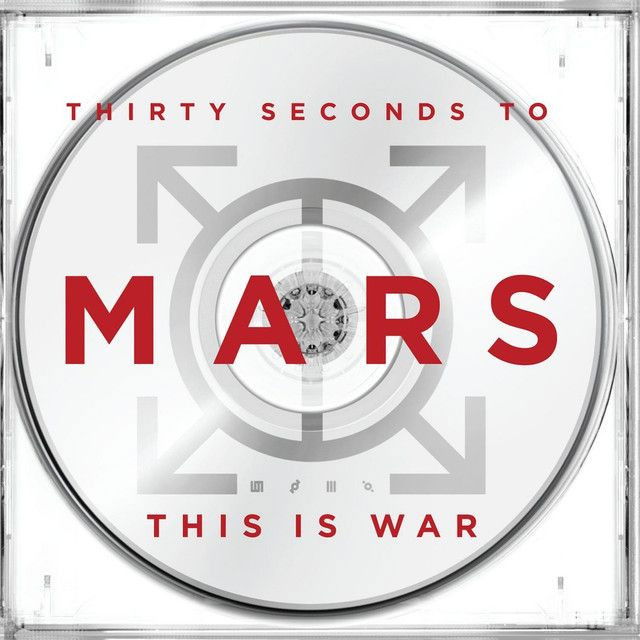
Hurricane by 30 Seconds to Mars
The meaning of Hurricane 30 Seconds to Mars centers on inner collapse, moral conflict, and a relationship that feels both intimate and destructive. On the surface, the song sounds like a dark rock anthem about danger and obsession. Under that, it reads like a portrait of someone trapped inside emotional chaos, asking whether love, guilt, and survival can exist at the same time.
"Hurricane" - 30 Seconds to Mars
No matter how many breaths that you took you still couldn't breathe
No matter how many nights that you'd lie wide awake to the sound of the poison rain
Loading lyrics...
Unable to load lyrics
We're unable to display the lyrics at this time. Please try again later.
Released on the band's album This Is War, "Hurricane" was written by Jared Leto. The track arrived during a period when 30 Seconds to Mars leaned hard into big, dramatic themes: war, faith, identity, and personal struggle. That context matters, because "Hurricane" feels less like a simple breakup song and more like a spiritual and psychological storm.
The Song's Core Conflict
At its heart, "Hurricane" is about being pursued by the consequences of pain. The title image is not just weather. It works as a symbol for a force that cannot be controlled once it starts. When the chorus says this hurricane
is chasing them underground, the idea is clear: the pressure has become so intense that there is no safe place left.
The verses build that feeling with images of sleeplessness, suffocation, and poisoned surroundings. The song describes a person who has been told someone wants to leave, yet neither side seems able to fully escape. That push and pull gives the track its emotional weight. It is about attachment that survives even when trust is broken.

Watch the official Hurricane
music video
Who They Seem to Be Addressing
The song uses direct questions, which makes it feel like a confrontation. The speaker appears to address a lover, but also possibly an accuser, an enemy, or even part of themselves. That ambiguity is a big reason the track still invites discussion.
One key line asks, would you kill to save a life?
Paraphrased, the song is asking whether people will commit violence and still call it righteousness. Another line, prove you're right
, turns the issue from survival to ego. That shift suggests the song is deeply interested in how people justify harm.
Interpretation: They may be speaking to a toxic partner whose love has become punishing. Just as plausibly, they may be speaking to society, religion, or conscience itself. The repeated demands and accusations make the song feel like a trial.
Faith, Judgment, and Shame
The religious language is not accidental. The repeated challenge Where is your God?
lands like both a cry of despair and a dare. The song raises questions about faith without offering comfort. Instead of peace, belief seems tied to guilt, punishment, and silence.
That becomes even clearer in the bridge, where the speaker asks whether the other person wants them dead or alive
and forced to suffer for their sins. In plain terms, the song suggests a relationship where judgment has replaced care. Love is no longer healing; it has become a system of control.
The promises we made were not enough
The prayers that we had prayed were like a drug
Those lines sum up the song's worldview. Promises fail, prayers numb rather than save, and even love has to be released. The emotional message is bleak but honest: some bonds cannot be repaired by intensity alone.
Why the Storm Imagery Matters
Storms in songs often mean change. In "Hurricane," the storm means collapse that is already happening. The images of fire, crashing, and burning create a world where destruction feels inevitable. The line night's on fire
turns time itself into a crisis.
That imagery connects the personal and the universal. A breakup can feel like the end of one world. A crisis of belief can feel just as large. By using disaster language, 30 Seconds to Mars make private pain sound apocalyptic.
How the Sound Carries the Meaning
The production is a major part of why the song feels so overwhelming. 30 Seconds to Mars build it with pounding drums, layered vocals, and a glossy but heavy atmosphere. The arrangement swells rather than relaxes, which mirrors the song's theme of pressure that keeps rising.
Jared Leto's vocal delivery moves between pleading and commanding. He does not sing these lines like quiet confession. He pushes them outward, giving the questions a desperate scale. That is one reason the song feels cinematic.
According to the band's album credits, the This Is War era involved dense, collaborative production choices, and "Hurricane" reflects that style. Electronic textures mix with alt-rock force, making the track feel dreamlike and threatening at once. The sound does not simply decorate the lyrics; it acts out the panic inside them.
Alternate Ways to Read "Hurricane"
There are at least two strong readings of the song:
- Relationship reading: It describes a romance poisoned by distrust, shame, and emotional violence.
- Inner battle reading: It dramatizes guilt, self-hatred, and the fear of being judged by one's own conscience.
- Spiritual reading: It questions faith during suffering and asks what remains when prayer no longer comforts.
All three work because the lyrics stay open. The song never settles into one clear story. Instead, it layers images of love, war, religion, and disaster until they merge.
Why the Song Still Connects
Part of the meaning of Hurricane 30 Seconds to Mars is its refusal to offer easy relief. It captures what it feels like when emotions are too tangled to sort into hero and villain. Everyone in the song seems wounded, defensive, and half-lost.
That is why the chorus hits so hard. The hurricane is not only outside them. It is inside them too. The song understands that sometimes the worst battles are the ones people carry in their chest long after the shouting ends.
In the end, "Hurricane" stands as one of 30 Seconds to Mars' most intense songs because it blends personal pain with giant imagery. It turns a private breakdown into a dark spectacle without losing the human feeling at the center.
Disclaimer: This interpretation is based on the song's lyrics, sound, and public context. Like many 30 Seconds to Mars songs, "Hurricane" is open to more than one valid reading.








