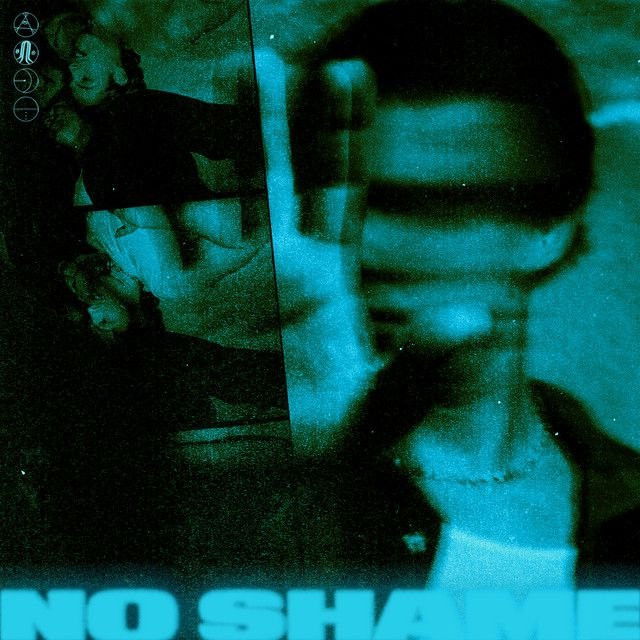
No Shame by 5 Seconds of Summer
The meaning of No Shame 5 Seconds of Summer sits at the edge of thrill and danger. They turn the rush of visibility into a sugar high and then show the crash. It’s catchy on purpose—the hook sticks like a headline you can’t stop reading.
"No Shame" - 5 Seconds of Summer
With the gun in your hand
Pointin' my direction
Loading lyrics...
Unable to load lyrics
We're unable to display the lyrics at this time. Please try again later.
Fame As a Fix You Can’t Quit
At its core, the song studies addiction to attention. The narrator admits they only feel alive when the spotlight hits—light up when cameras are flashin'
. Right after the dopamine spike, they confess it’s never enough
.
Interpretation: the track frames fame like a substance. Each chorus repeats the cycle—crave, indulge, regret—then do it again. That tension is the engine of the song and the era that birthed it.

Watch the official No Shame
music video
What the Song Is Really Saying
Released in 2020 on their album Calm, the single captures 5SOS’s pivot into darker pop‑rock with neon‑bright edges. It’s not only about celebrities. It’s also about anyone feeding the algorithm, posting for a hit of approval. When they shout got no shame
, it sounds fearless, but the line also hints at numbness. If you feel nothing, you’ll do anything.
Interpretation: “No Shame” isn’t endorsing bad behavior. It’s mocking how easy it is to rationalize it, especially when applause arrives fast and loud.
Who’s Speaking—and Who’s Watching?
The narrator speaks in first person, addressing a lover, the crowd, and the camera at once. They offer themselves up, asking to be consumed, traded, and replaced. It’s performance as intimacy, and intimacy as performance.
This double audience matters. The song becomes a loop: perform desire for someone close; get attention from everyone else; return for more. It’s a confession sung like an ad.
Symbols in Sharp Neon
“ No Shame” leans on vivid images to make its point:
- Cameras:
light up when cameras are flashin'
turns attention into a drug. - The bottomless pit:
never enough
is the classic addiction tell. - The cost:
diggin' my grave
signals self‑harm for a headline. - Identity as costume:
changin' my face
calls out image swaps and trend‑chasing. - The chant of recognition: being called by name becomes currency, proof you still exist in public.
Interpretation: together these images say attention can remake you, then erase you, and you might help it happen.
How the Sound Sells the Satire
Production heightens the theme. Tight, punchy drums and a rubbery bassline push the song forward like a scroll feed. Glossy synths sharpen the edges, while gang‑style vocals make the hook feel communal—as if a crowd is cheering bad decisions. The drop into the chorus is clean and inevitable, the same way a notification pulls you back in.
Andrew Watt and Happy Perez bring a sleek pop sheen that contrasts the darker lyrics. That friction—bright sound, grim subtext—keeps the satire fun instead of preachy.
The Chorus as a Confession
Each return to got no shame
reframes the verses. After lines about risk and regret, the hook lands like a shrug. Interpretation: it’s armor. If you claim shamelessness first, no one can shame you. But the rest of the song proves the armor is thin.
Narrative Beats, In Order
- The set‑up: the narrator surrenders to attention, even invites danger.
- The pre‑chorus: they taste the high and know it may hurt later.
- The chorus: public bravado—
got no shame
—drowns out private doubt. - The aftermath: the cycle resets, stronger than before.
Cultural Mirror, Not Just Band Memoir
While written by the band with collaborators, the target is larger than one artist’s story. It’s the attention economy that rewards spectacle over substance. The music video leans into this with tabloid‑style scenes and over‑the‑top visual gags—proof the band understands the joke and is willing to be part of it to make the point.
Alternate Readings to Consider
- Interpretation—Toxic relationship frame: swap “fame” for a person. The same lines map to obsession with a partner who’s bad for you.
- Interpretation—Industry satire: the narrator is a product changing shape to fit trends, chasing sales rather than self.
Both readings work because the language blurs love, lust, and likes.
What Sticks After the Flash
“ No Shame” hooks you with gleam and speed, then asks what you’ll trade to stay visible. That’s the meaning of No Shame 5 Seconds of Summer: attention feels good, but it rarely feels like enough. The song lets listeners dance to that truth while they decide if they want the next hit.
Disclaimer: Interpretation is subjective. This analysis reflects one informed reading based on lyrics, sound, and public context.









