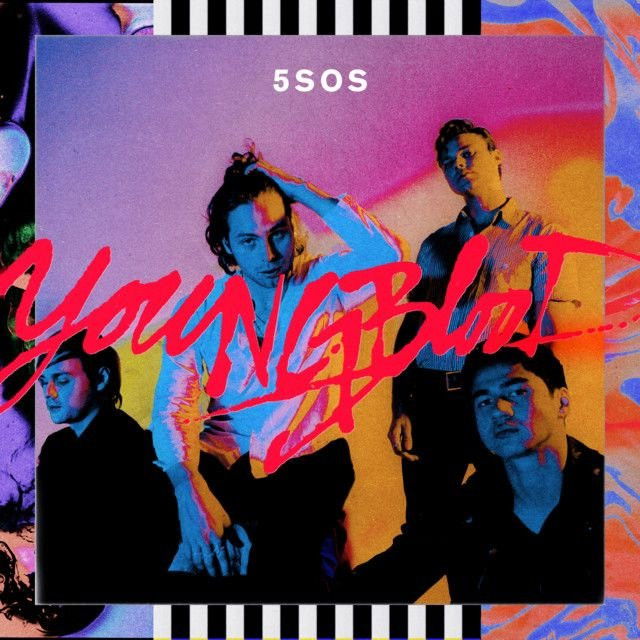
Youngblood by 5 Seconds of Summer
They turned heartbreak into a rush. “Youngblood” captures the sting of mixed signals and the thrill that keeps a person coming back anyway. This breakdown explores the meaning of Youngblood 5 Seconds of Summer, tying the lyrics to the sound that pushed the band into a new era.
"Youngblood" - 5 Seconds of Summer
Surrender my everything 'cause you made me believe you're mine
Yeah, you used to call me baby, now you calling me by name
Loading lyrics...
Unable to load lyrics
We're unable to display the lyrics at this time. Please try again later.
Push-Pull Love at Full Volume
The narrator is stuck in a loop where a partner can’t decide what they want. In one breath they say you want me
; in the next, they want the singer out of your life
. The chorus flips again, asking for them back in your life
.
Interpretation: it’s the seesaw of a relationship powered by impulse—passion that burns bright but won’t stabilize. The title “Youngblood” signals youthful energy and emotional extremes, the kind that make breakups feel like cliff dives and make‑ups feel like rescue.

Watch the official Youngblood
music video
Who’s Talking, and Why It Hurts
The voice is first person, pleading with a partner who sends mixed messages. When they call themselves a dead man walking
, they admit the dynamic is draining their spirit. Yet pride and longing collide; the claim that nobody could take my place
tries to steady shaky ground.
Interpretation: the narrator recognizes the toxicity but is addicted to the rush of being wanted—even if the wanting doesn’t last. That’s why the back-and-forth keeps winning.
From Verse to Hook: The Story in Motion
Here’s the emotional timeline the song sketches:
- Early promises fade; names turn cold and formal.
- Arguments escalate, then one person reaches out—sometimes
about a hundred times
—after a night out. - Suspicion creeps in at parties and in passing looks.
- The chorus resets the cycle: rejection, then need, then reconciliation—until it breaks again.
The push-pull is summed up in the pre-chorus tension:
You push and you push and I’m pulling away Pulling away from you
Those two short lines carry the whole engine of the song: motion without progress, like tug-of-war on ice.
Why the Word ‘Youngblood’ Matters
Interpretation: “Youngblood” isn’t only about age. It’s a state of heat—reckless, impatient, and high-stakes. Youthful love often swings between extremes. The hook’s whiplash—need versus dismissal—mirrors that feeling. The term also frames the band’s own reinvention: they channeled “young blood” as new creative fuel, sounding bolder and more polished than their pop‑punk beginnings.
Sounds That Sell the Spiral
Production turns the story into muscle. Crisp, gated drums and a rubbery bassline snap the groove tight, while neon‑tinted synths add an 80s shimmer. The guitars cut in with percussive jabs more than big chords, letting the rhythm lead.
The arrangement uses space like a spotlight. Verses simmer with restraint; then the chorus hits hard with gang-style backing vocals and a soaring lead. That dynamic swing mirrors the emotional surge from doubt to demand. Andrew Watt and Louis Bell’s pop instincts keep everything punchy and radio‑ready, but the performance stays raw enough to feel personal.
Other Ways to Hear It
- Interpretation: A portrait of codependence—the narrator needs the very highs and lows that are hurting them. The language of craving and collapse points there.
- Interpretation: A mirror of fame’s fickle love. The crowd or the industry can want an artist one day and cool on them the next. The song’s demand-and-withdraw loop rhymes with that cycle.
Both readings fit because the lyrics leave room for metaphor, using simple images—calls, faces in crowds, the late‑night crawl—to suggest bigger patterns of chase and retreat.
Final Chord
“Youngblood” locks a messy breakup into a clean pop frame, which is why it hits so hard. The beat is brisk, the hook is undeniable, and the feelings are sharp enough to leave a mark.
Interpretation note: Song meanings are subjective; this analysis blends factual context with critical reading of the lyrics and production.
Sources
- https://en.wikipedia.org/wiki/Youngblood_(5_Seconds_of_Summer_song)
- https://en.wikipedia.org/wiki/Youngblood_(album)
- https://www.billboard.com/music/pop/5-seconds-of-summer-youngblood-interview-8457088/
- https://www.rollingstone.com/music/music-features/5-seconds-of-summer-youngblood-interview-666103/








