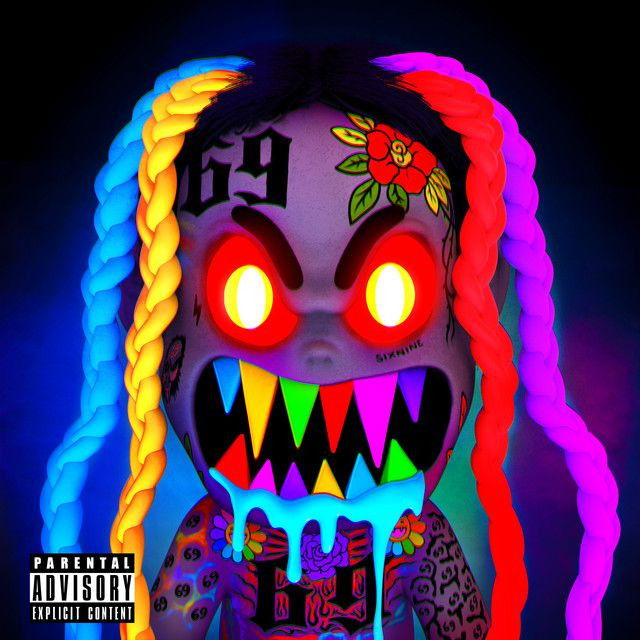
GINÉ by 6ix9ine
They came for the shock value—and got it. GINÉ is 6ix9ine’s loud re-entry after a year off, built on taunts, drill energy, and brand placement. If you’re searching for the meaning of GINÉ 6ix9ine, think of it as a short, blunt statement: he says he’s still fearless, still viral, and still willing to cross lines to prove it.
"GINÉ" - 6ix9ine
Pull up on 'em real life, like where the energy at?
I shot you, I robbed you and y'all ain't do nothin' back
Loading lyrics...
Unable to load lyrics
We're unable to display the lyrics at this time. Please try again later.
A Loud Return Built on Provocation
Released April 15, 2022, GINÉ was his first single in over a year and named after an energy drink he promotes in the video. The track blends hardcore hip-hop and drill across a tight 2:15. It landed on the Billboard Hot 100 at No. 83 and also charted in Canada and New Zealand. The visuals double as an ad: neon colors, dancers, and repeated shots of the beverage.
This matters to its meaning. He’s not just boasting; he’s selling a comeback image. The song, video, and product form one provocation machine.
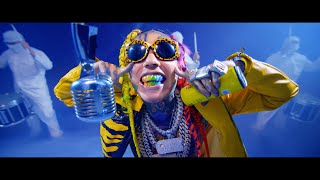
Watch the official GINÉ
music video
What the Song Is Really Doing
At its core, GINÉ is a diss record about authenticity. 6ix9ine frames rivals as internet tough guys and asks, where the energy at?
He claims his threats are grounded in action with the line real life, no cap
—a key thesis of the track.
He even references his past federal case to underline that point, arguing that his history proves he’s not just talking. Whether listeners accept that claim is another matter, but the move is strategic: he turns legal infamy into lyrical capital.
Who’s Speaking, and Who’s the Target?
The voice is first-person and confrontational—he’s talking to enemies, fan-critics, and rap peers all at once. The most pointed moment is a taunt about “get-back,” which many heard as aimed at a well-known rival circle. The lines are stark:
Your man got shot, you made a diss track Go get a gun and get some get-back
Interpretation: He’s mocking artists who respond to violence with music instead of retaliation. It’s theater of dominance, meant to sting and trend.
Hook and Chant: Why the Refrain Sticks
The hook trades on rhythm and texture more than meaning. Nonsense-syllable chants ride sliding 808s while ad-libs punch through. When he repeats game on lock
, he’s locking in the thesis: he controls attention. The chant structure is built to be shouted in clips and stadiums, not debated in seminars. That design choice supports the marketing-first frame of the song.
Images, Flexes, and Street Theater
The verses move through robbery and gunplay with cartoonish sound-shapes. He barks where your jewelry at?
to humiliate a target and peppers in onomatopoeia like we gon' make it brr-at
to make violence feel like a meme. Dance-callouts (Milly Rock, Diddy Bop) twist pop culture into threats—spins and drops become takedowns.
Interpretation: These aren’t literal plans; they’re stagecraft. The imagery is exaggerated to project fearlessness and to bait responses that keep the cycle alive.
How the Sound Carries the Message
Producers Lenzo and De Emperor Cesar build a drill-leaning beat: booming 808s, crisp hi-hats, and space for the voice to bark up front. The mix (by Wizard Lee) keeps his vocal loud, dry, and forward, which makes every taunt feel in-your-face. The short length prevents fatigue and invites replays, a platform-friendly move.
The sonic choices mirror the theme. Minimal melody and relentless percussion create urgency. Ad-libs function like jump-scares, punctuating each flex and threat. It’s not pretty; it’s effective.
Alternate Reads: Bravado or Marketing Strategy?
- Interpretation 1: A street-cred manifesto. He positions himself as the one who acts while others talk, leaning on his history to claim authenticity.
- Interpretation 2: A controversy engine. The product name, the viral-ready chants, and the inflammatory jabs suggest a rollout designed to monetize outrage as much as music.
Both reads can be true. In 6ix9ine’s world, the beef is the brand.
Cultural Frame: Diss Tracks and Lines Crossed
Diss tracks are a long hip-hop tradition, but GINÉ pushes toward the edge by invoking the dead and daring reprisals. That explains its split reception: fans praise the raw energy; critics see cheap provocation. Either way, the mechanics are the same—call out rivals, assert dominance, and force a public response.
Takeaway
If you want the meaning of GINÉ 6ix9ine in one line: it’s a marketing-sized flex about realness, power, and attention. The lyrics play villain; the beat shoves them forward; the video sells the myth.
Interpretation disclaimer: Song meanings are subjective and reflect one informed reading of the music, lyrics, and public context.
Sources
- https://en.wikipedia.org/wiki/Gin%C3%A9
- https://www.complex.com/music/a/brad-callas/6ix9ine-gine-disses-lil-durk-king-von
- https://hiphopdx.com/news/id.69406/title.6ix9ine-gine-music-video
- https://www.rap-up.com/2022/04/15/6ix9ine-returns-with-gine/
- https://thesource.com/2022/04/18/6ix9ine-unveils-gine-flavored-beverages/
- https://www.dexerto.com/entertainment/6ix9ine-announces-gine-nft-collection-after-trollz-nft-fiasco-1796403/








