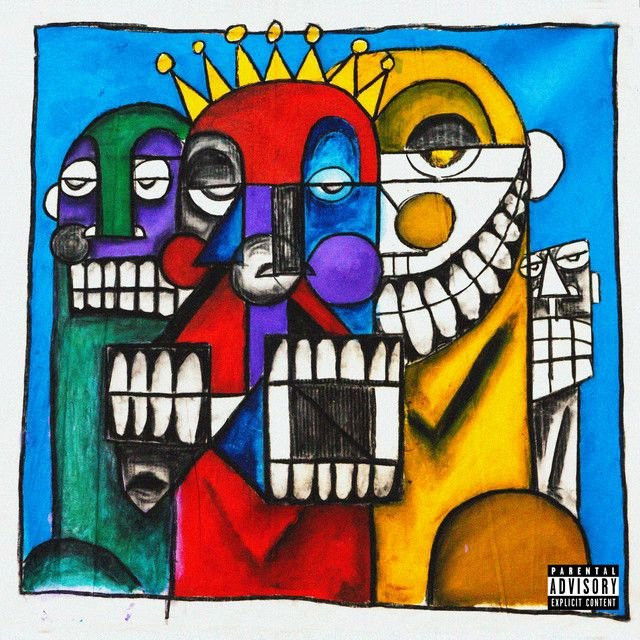
Why 'THE SAME THING' Hits So Hard
The meaning of THE SAME THING A-Reece, Jay Jody centers on grief, warning, and repetition. At its core, the song is about the pain of seeing another person move toward the kind of hurt they already know too well.
"THE SAME THING" - A-Reece, Jay Jody
Yeah
Damn, life is a motherfucker
Loading lyrics...
Unable to load lyrics
We're unable to display the lyrics at this time. Please try again later.
Rather than telling one clean story, the track circles a single emotional wound. It keeps returning to the fear that loss is not random. It repeats through families, friendships, neighborhoods, and habits. That is why the hook feels so heavy: they are not just mourning the past, they are watching it happen again.
A Chorus Built on Painful Repetition
The song opens with a blunt statement about how cruel life can be, then immediately ties that harshness to repetition. The key idea is simple: it is hard to watch the same thing
happen to someone else after living through it yourself.
That refrain matters because it does two jobs at once. On the surface, it sounds like grief. Underneath, it sounds like a warning. They are not only looking back at damage. They are looking at another person and wishing they could stop the cycle before it closes again.
Interpretation: This makes the chorus feel larger than one relationship. It can describe losing a friend, a brother, a partner, or anyone caught in the same destructive path.

Watch the official THE SAME THING
music video
Who They Seem to Be Speaking To
One of the song’s strongest details is the direct address to someone beyond reach. When they ask if they can call on someone on the other side
, the song shifts from social reflection into spiritual longing.
That phrase suggests death, or at least a separation so final that normal conversation is impossible. The plea for another sign
shows that they are still searching for contact, comfort, or approval. They do not sound resolved. They sound stuck between acceptance and denial.
This is why the song feels intimate even when it speaks in broad terms. The listener hears someone trying to process absence in real time. They are not delivering a lesson from a safe distance. They are still inside the hurt.
Jay Jody’s Verse Turns Grief Into Advice
Jay Jody’s contribution widens the song’s meaning. He connects private pain to the pressure of environment, especially when he says the hood is a motherfucker
. That line reframes the problem. The danger is not only emotional; it is social and structural too.
From there, the verse moves like hard-earned counsel. Money cannot buy another life. Acting carelessly has consequences. Hate eats away at the heart. The message is not polished or preachy. It sounds like survival talk from someone who has already seen what happens when people ignore those truths.
A key line in the verse points toward what remains after loss: protect your spirit
. That advice gives the song one of its few hopeful notes. They cannot undo what has happened, but they can still tell someone else to stay true and avoid the same fall.
The Emotional Timeline of the Song
The track unfolds in a loose but effective sequence:
- It starts with a harsh truth about life.
- It moves into direct grief and attempted contact with someone absent.
- It broadens into a warning about repeating trauma.
- It lands on spiritual protection as a fragile answer.
That shape matters. The song does not move from sadness to closure. Instead, it moves from shock to pleading to advice. That makes it feel realistic. Many grief songs try to resolve pain by the end. This one mostly sits with it.
Sound and Delivery: Why the Message Lands
Even without official production details provided here, the performance style reveals a lot. The hook is repetitive, slow, and emotionally weighted. That repetition mirrors the subject itself: cycles, recurring memories, and thoughts that will not leave.
The vocal approach also helps. The singing and rap delivery feel weary rather than explosive. They sound like people carrying history, not just reacting to one moment. That restraint gives the lines more credibility. A louder performance might have turned the song into drama. Their calmer tone makes it feel lived-in.
Interpretation: The production likely aims for space and atmosphere rather than clutter. That kind of minimal mood suits a song about absence, because silence becomes part of the message.
Themes Hidden in Plain Sight
Several motifs keep the song emotionally focused:
Cycles and inheritance
The title points to repeated suffering. Trauma here is not shown as a single event. It moves from one life to another.
The divide between worlds
The language of distance, signs, and the other side
suggests a border between living and dead, or between the reachable and unreachable.
Spirit over status
The verse dismisses wealth as a false solution. A life cannot be replaced, and inner truth matters more than image.
Love mixed with damage
When the song says love is a motherfucker
, it admits that care and pain are tangled together. Loving someone deeply also means being vulnerable to losing them.
What the Song Is Really Saying
The deepest message in the meaning of THE SAME THING A-Reece, Jay Jody is that pain becomes even harder when it repeats. Losing someone hurts. Watching another person drift toward that same loss can hurt in a different, almost unbearable way.
That is why the song resonates. It speaks to grief, but also to responsibility. They seem to ask: if they know where the road leads, can they still save someone they love from walking it?
The song never gives a full answer. Instead, it offers memory, warning, and care in the same breath. That unfinished feeling is part of its power.
Final Thought
"THE SAME THING" works because it is both personal and universal. It sounds like a conversation with one lost person, but it also speaks to anyone trying to break a cycle before it claims somebody else.
That is the most persuasive reading, though all song interpretation is ultimately subjective. Listeners may hear grief, street survival, spiritual longing, or all three at once.









