Why 'Excursions' Opens a Hip-Hop History Lesson
The core idea behind the track
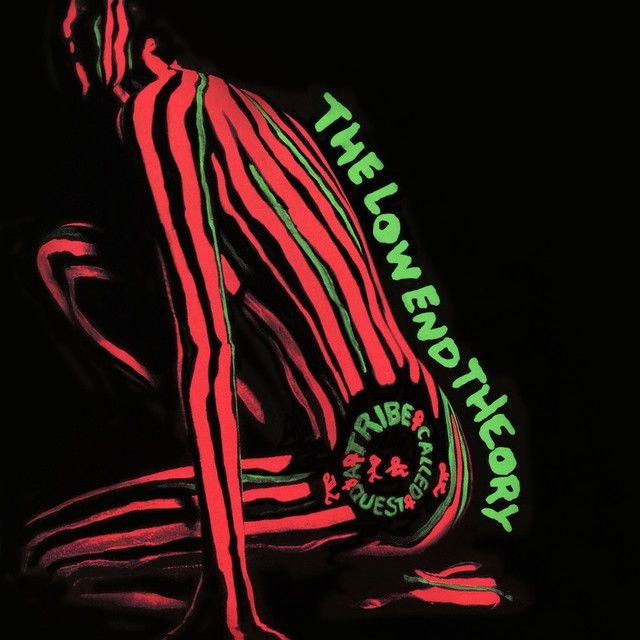
The meaning of Excursions A Tribe Called Quest starts with movement through time. On the surface, the song is a confident opening statement from The Low End Theory, released in 1991. But it is also a short history of Black music, a defense of hip-hop as art, and a guide to how they think people should move through the world.
"Excursions" - A Tribe Called Quest
Before I had status and before I had a pager
You could find the Abstract listening to hip hop
Loading lyrics...
Unable to load lyrics
We're unable to display the lyrics at this time. Please try again later.
A Tribe Called Quest came out of Queens and helped define jazz rap and alternative hip-hop, while also belonging to the wider Native Tongues circle. That context matters because the group often mixed humor, knowledge, and musical history in the same song. They were later praised for bridging jazz and hip-hop, and The Low End Theory became one of their landmark albums. Those facts are widely noted in major summaries of the group and album history, including Wikipedia's overview of the group.
In "Excursions," they present hip-hop not as a passing trend but as part of a cycle. Q-Tip frames rap as the next form in a longer Black musical story, linking it to bebop and older traditions. When he gestures toward things going in cycles, they are saying new music does not erase the past. It transforms it.

Watch the official Excursions
music video
A trip from memory to mission
How the opening verse sets the terms
The song begins with autobiography. Q-Tip looks back to being a teen, before fame and before status. That personal memory makes the message feel earned rather than preachy. He is not speaking as a distant critic. They are speaking as artists who grew up inside the culture they are defending.
One key phrase is things go in cycles
. In simple terms, that line explains the whole song. Styles change, but the energy of Black music keeps returning in fresh forms. His father hears hip-hop and thinks of bebop, and Q-Tip treats that as connection, not conflict.
That idea leads to another important phrase: black man, black woman venture
. They describe the group as part of a larger Black creative project. Interpretation: this suggests the song is not only about their career. It is about cultural continuity, pride, and collective work.
The chorus turns ethics into a slogan
The hook is simple and memorable: We gotta make moves
and never... fake moves
. Paraphrased, they are saying progress matters, but so does integrity. Ambition is fine; fraud is not.
This is why the chorus matters so much to the meaning of "Excursions." It keeps the song from becoming only a history lecture. Instead, it becomes a code. Be real with friends. Be honest in art. Do not pretend to be deeper, tougher, or wiser than they really are.
That moral angle fits A Tribe Called Quest's larger image. Critics often described them as thoughtful and artistic; AllMusic's John Bush famously called them "the most intelligent, artistic rap group during the 1990s," a brief quote repeated in the group's encyclopedia summary. "Excursions" helps explain why that description stuck.
Jazz, bass, and the sound of authority
Why the production matters as much as the lyrics
The track's meaning is carried by its sound. The Low End Theory is known for a spare, bass-heavy style, with drums and low frequencies doing much of the emotional work. In overviews of the album era, the record is often described as jazz-infused and minimalist, with an emphasis on vocals, drums, and bass, as noted in reference material on the group's discography.
On "Excursions," that low-end focus feels almost physical. The groove does not rush. It lands. That gives Q-Tip's voice authority, as if they are teaching from inside the beat rather than over it.
Listen to the rhymes
to get a mental picture
That brief moment tells listeners what to do: hear the music, then see the bigger world behind it. They want rap to create thought, not just movement. Still, they also love movement. The song keeps one foot in the mind and one on the dance floor.
Street code, community, and self-respect
In the second verse, the song widens out. They move from musical history to behavior. The lesson becomes social: be straight with people, work hard, and avoid phoniness. In one line, Q-Tip says artists should live by what they write. That is a challenge to rappers who perform fake identities.
Another useful phrase is code of the streets
. Here, they are not glamorizing crime. They are talking about ethics within community life: loyalty, honesty, and respect. Even when the track sounds playful, it keeps returning to conduct.
Interpretation: this is one reason the song has lasted. "Excursions" is not only about 1991 hip-hop. It is about a problem every era has: how to stay authentic while chasing success.
The ending gets sharper and more political
The final section shifts tone. A spoken sample points to fading Black power language, empty performance, and racial contradiction. It sounds messier and more uneasy than the earlier verses. That contrast matters.
Up to that point, the song feels grounded and confident. Then the ending introduces confusion and disappointment. Interpretation: they may be warning that cultural pride can become style without substance. If that happens, the trip through history becomes shallow theater.
That makes the title feel smart. "Excursions" suggests travel, but not all trips lead to wisdom. Some are detours. Some are distractions. The song asks listeners to know the difference.
Why the song still matters now
For many listeners, the meaning of Excursions A Tribe Called Quest lies in how naturally it teaches. They connect family memory, Black musical lineage, hip-hop pride, and everyday ethics without sounding stiff. The track is scholarly, but it never stops being musical.
It also works as an album opener because it announces what The Low End Theory will do next: strip rap down, deepen its groove, and treat jazz not as decoration but as ancestry. That approach helped shape the group's legacy as pioneers of jazz rap and alternative hip-hop, a status reflected in broad career retrospectives and their 2024 Rock and Roll Hall of Fame recognition, noted in current reference coverage.
Final takeaway
"Excursions" is about roots, motion, and character. They argue that hip-hop belongs to a longer Black tradition, and that real progress requires honesty.
That is the song's lasting power: it sounds cool, but it is also asking for principles. Interpretation can vary, and this reading is one good-faith analysis of the song rather than a definitive statement from the artists.








