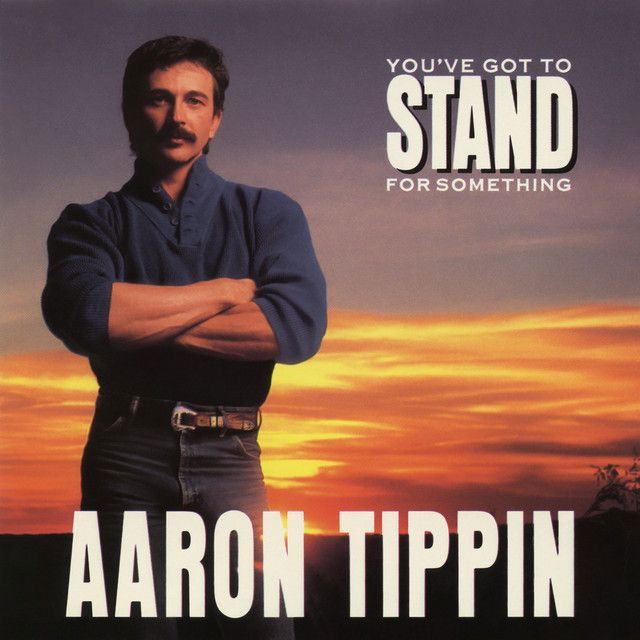
Why Aaron Tippin's Debut Still Hits Hard
The meaning of You've Got to Stand for Something Aaron Tippin starts with a simple idea: character matters most when pressure shows up. This 1990 country hit is not really about winning arguments or looking tough. It is about living by a code, even when that choice costs money, comfort, or status.
"You've Got to Stand for Something" - Aaron Tippin
Everyone that knew him knew which side that he'd be on
He never was a hero, or this county's shinin' light
Loading lyrics...
Unable to load lyrics
We're unable to display the lyrics at this time. Please try again later.
Released as Tippin's debut single and the title track of his debut album, the song helped define his public image as a blue-collar, values-first country artist. It also reached No. 6 on Billboard's Hot Country Songs chart, which shows how strongly its message connected with listeners.
A Father Lesson at the Center
At the song's core, the narrator remembers what they learned from their father. The father is not presented as famous or flashy. In fact, the song goes out of its way to say he was ordinary. That matters, because the lesson is meant to feel usable in everyday life, not just in dramatic moments.
The father avoids conflict when possible, but when trouble comes, people know where he stands. That picture turns moral strength into something steady and practical. The song praises quiet backbone, not loud pride.
When the chorus lands on stand for something
, it sums up the father's whole worldview. A person needs principles, or else they become easy to push around. The warning about being a puppet on a string
sharpens that idea. The song treats moral compromise as a kind of surrender.

Watch the official You've Got to Stand for Something
music video
What the Story Actually Does
The verses move like a short family memory. First, the narrator sketches the father as a man known for taking the right side. Then the song admits that this kind of integrity may have had a price.
The family might have had more if the father had bent a little. They might have owned more, earned more, or lived more comfortably. But the narrator says they still had enough, because they inherited something more important than a bigger house: a way to live.
That is where one of the song's strongest ideas appears. The line about having to live with today's choices tonight turns ethics into daily practice. Right and wrong are not abstract debates. They follow people home.
be your own man
uphold your family name
Those short lines show how the song ties personal identity to responsibility. In its world, freedom is not doing whatever feels good. Freedom means having the courage to choose what is right.
The Chorus as a Moral Test
The chorus is memorable because it sounds like advice that has been repeated for years. It feels like a family saying, almost like a rule passed down at the dinner table. That familiar quality helps explain the song's staying power.
Interpretation: the chorus is not only teaching strength. It is also teaching limits. The father is not telling the child to chase power. He is saying there are lines a person should not cross, even for reward.
That is why the phrase fall for anything
matters so much. It suggests that a person without values does not stay neutral. They become vulnerable to pressure, trends, and fear. The chorus frames conviction as protection.
Country Sound, Plainspoken Force
The production helps sell that message. According to the song's release details, Tippin co-produced it with Emory Gordy Jr. for RCA Nashville. The arrangement is mid-tempo and direct, with the kind of sturdy country setup listeners would expect from early 1990s radio: steady drums, clear guitar lines, and a vocal delivery that sounds firm rather than polished for glamour.
That matters to the song's meaning. The performance avoids drama for drama's sake. Tippin sings like someone passing along hard-earned advice, not delivering a speech. The plainspoken tone makes the father figure believable.
The song's sound also matches its blue-collar image. Nothing in the arrangement distracts from the message. It feels built to support words like what he thought was right
, not to overwhelm them.
Why It Landed in 1990
This song arrived at a moment when country music was leaning hard into identity, tradition, and working-class values. Tippin's debut fit that lane well, but it also stood out because its message was so clean and direct.
Its life beyond radio says a lot too. As noted in this song overview, Bob Hope invited Tippin to perform it on a USO tour during the Gulf War era. That does not change the lyric's basic family story, but it does show how audiences heard a wider patriotic meaning in it.
Interpretation: the song can be heard in two ways at once:
- as a personal lesson from father to child
- as a public statement about national and cultural values
Those two readings do not cancel each other out. They strengthen each other.
The Deeper Meaning Behind the Advice
The deepest meaning of You've Got to Stand for Something Aaron Tippin is that values are proven by sacrifice. Anyone can claim to believe in honesty, self-respect, or family honor when life is easy. The song asks what happens when those beliefs cost something.
The father passes that test. He may not get richer, but he keeps his dignity. The narrator, now older, says times have changed, yet real manhood has not. That line can sound old-fashioned to some listeners, but its core point is broader than gender. Character still matters, even in a changing world.
That is likely why the song still works. It does not depend on a complex plot. It depends on a truth many people recognize: a life with principles may be harder, but it is easier to live with.
Final Take
Aaron Tippin turned a father's advice into a country anthem about conscience, identity, and backbone. Its message is simple on purpose. In a world full of pressure, the song says people need a center.
That is the lasting power of this hit: it honors ordinary people who choose self-respect over easy gain. Interpretation disclaimer: this reading is based on the lyrics, recording context, and reception, and other listeners may hear different shades of family, faith, or patriotism in the song.







