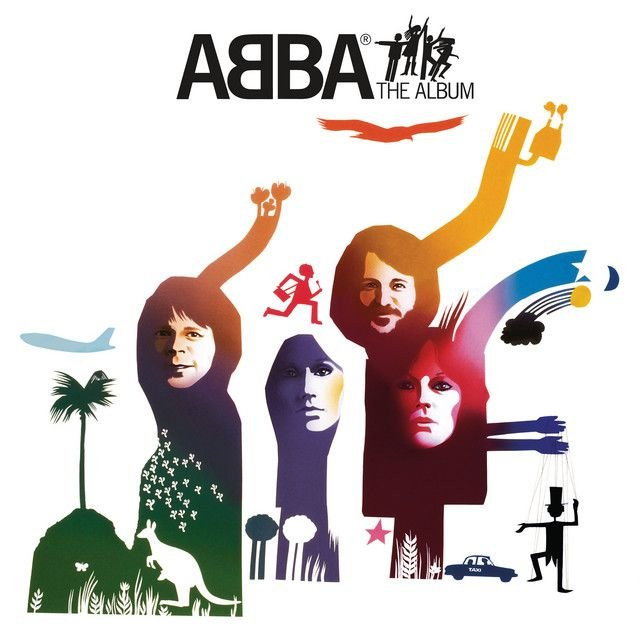
Thank You For The Music by ABBA
Why This ABBA Song Still Feels So Personal
The meaning of Thank You For The Music ABBA starts with a simple idea: music is not just entertainment. In this song, they present it as a life-giving force, a gift that shapes identity, memory, and joy.
"Thank You For The Music" - ABBA
If I tell a joke, you've probably heard it before
But I have a talent, a wonderful thing
Loading lyrics...
Unable to load lyrics
We're unable to display the lyrics at this time. Please try again later.
Originally recorded for The Album in 1977 and sung by Agnetha Fältskog on lead, the track later became one of ABBA’s most beloved statements about art itself. It was also performed in the mini-musical The Girl with the Golden Hair during ABBA’s 1977 tour, which helps explain its theatrical, curtain-call quality. Those release details are widely documented in major reference sources, including the song’s historical overview on Wikipedia.

Watch the official Thank You For The Music
music video
A Thank-You Note Disguised as Pop
At the lyrical level, the song speaks in first person, but its feeling is broad enough to include almost anyone who loves music. The narrator begins with self-doubt, calling themselves nothing special
. That modest opening matters because it sets up the real point: ordinary people can still carry something powerful inside them.
When the singer explains that people listen once they begin to sing, the song shifts from insecurity to purpose. In plain terms, they may not see themselves as remarkable in daily life, but music gives them a voice. That is the emotional engine of the track.
Interpretation: The song suggests that talent is not only about fame. It is about finding the one thing that helps a person connect with others.
How the Chorus Expands the Message
The chorus makes the song larger than one performer’s story. Phrases like Thank you for the music
and Who can live without it?
move the focus from private gratitude to a shared human need.
The key question in the refrain asks what life would be without song or dance. Paraphrased, the singer is saying that rhythm, melody, and celebration are basic parts of being human. Music is framed almost like emotional oxygen.
What would life be?Without a song or a dance
That brief moment captures the heart of the lyric without needing the full chorus. The song is not arguing that everyone must become an artist. It argues that everyone needs art.
Childhood, Instinct, and the Birth of a Calling
In the second verse, the song reaches back into childhood. The narrator says they were a dancer before they could walk and started singing before they could talk. Paraphrased, music is presented as instinctive, something older than conscious choice.
This part deepens the meaning of Thank You For The Music ABBA because it frames music as natural, not manufactured. The singer does not treat art like a career plan. They treat it like a built-in part of who they are.
The verse then asks who first discovered that melody can capture a heart. That is one of the song’s smartest turns. Instead of talking only about one singer’s gift, it marvels at music itself as a human invention. The gratitude is personal, but also almost historical.
The “Golden Hair” Line and ABBA Context
Late in the song, the narrator describes themselves as the girl with golden hair
. That line connects directly to ABBA’s 1977 mini-musical The Girl with the Golden Hair, where the song appeared as part of a larger stage concept before its familiar album life. In that setting, the number carries a show-ending glow, almost like a bow at the end of a performance.
That context matters. It helps explain why many fans hear the song as reflective or even farewell-like. Even though it was not originally released as ABBA’s final statement, it has the emotional shape of one: thankful, summing-up, and outward-looking.
Interpretation: The song can be heard in two ways at once:
- as a character song inside a stage framework
- as ABBA speaking sincerely about their bond with music and audience
Both readings work because the lyric is broad and warm rather than overly specific.
How the Sound Carries the Meaning
Musically, the track supports its message with brightness and clarity. The well-known studio version is polished pop with theatrical touches, making it feel both intimate and public-facing. According to release history summarized in reference accounts, an earlier version had a more jazzy, cabaret style before Benny Andersson and Björn Ulvaeus reshaped it into the familiar arrangement.
That change matters. The final version sounds open, melodic, and communal. The gentle tempo, clear piano and acoustic textures, and steady lift of the chorus make gratitude feel natural rather than heavy. Agnetha’s vocal performance is central here: she sounds sincere, slightly wistful, and proud at the same time.
Instead of dramatic heartbreak, ABBA use warmth. That is why the song feels enduring. It celebrates art without becoming grand or distant.
Why the Song Endures
The track later appeared in ABBA: The Movie, in the stage musical Mamma Mia!, and in the 2008 film adaptation, which helped introduce it to new generations. It also became a recurring fan favorite and remains one of the group’s signature reflective songs.
For many listeners in the United States, its appeal is easy to understand. It is humble but catchy, theatrical but sincere. Most of all, it says something many people feel but rarely state clearly: music helps them understand life, and sometimes even survive it.
Final Take on Its Meaning
The meaning of Thank You For The Music ABBA is gratitude with a deeper layer underneath. On the surface, it thanks music for joy. Beneath that, it says music gives people identity, connection, and a reason to speak up.
That is why the song lasts. It is not only about performing. It is about what songs do for the people who sing them and the people who need them.
Disclaimer: This interpretation separates documented facts about the song’s release and production from critical reading of its lyrics. Meaning can remain personal, and different listeners may hear it differently.







