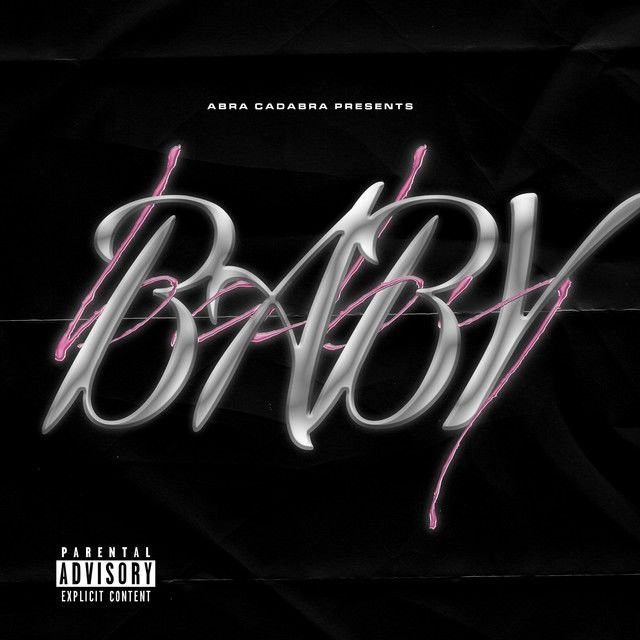
Why 'Baby' by Abra Cadabra Feels So Cold
The title suggests affection, but the track turns that idea inside out. The meaning of Baby Abra Cadabra lies in how it fuses lust, intimidation, and status into one blunt self-portrait.
"Baby" - Abra Cadabra
Provided by LyricFindCome, come on
I murda people for fun
Murda unnuh bumboclaut for funLoading...Loading lyrics...
Unable to load lyrics
We're unable to display the lyrics at this time. Please try again later.
The Core Idea Behind the Record
At its simplest, "Baby" is not really a love song at all. It is a drill track that uses sexual talk, threats, and street pride to build a persona. The speaker presents themself as someone who wants control in every setting: with women, with rivals, and within their social world.
That is why the song feels so severe. Even when it sounds flirtatious, it quickly swerves back to danger. A phrase like baby, you ain't gotta hold my strap
sounds intimate on the surface, but the line also keeps a weapon in the frame. The song never lets tenderness stand on its own.
Interpretation: The main point is not romance. It is power. The woman in the hook becomes part of the narrator's larger display of dominance.

Watch the official Baby
music video
How the Verses Build a "Badman" Persona
Abra Cadabra has long been associated with U.K. drill and road rap, genres known for stark realism, dark production, and hard boasts. Coverage from outlets like GRM Daily and Mixtape Madness has often placed them in that lane, and this song follows those expectations closely.
The verses move between three ideas:
- sexual control
- violence toward enemies
- pride in reputation
Those themes are linked, not separate. When the speaker says real badman
, they are not only describing toughness in the street sense. They are making masculinity itself sound tied to fearlessness, aggression, and sexual command.
Another revealing moment is get right, get left
. That line frames the world as a harsh binary: comply or suffer consequences. It is a street rule, but it also reflects the song's wider mindset. Everything is reduced to force, rank, and reaction.
The Hook Turns Desire Into Control
The chorus is catchy, but it is not warm. It repeats a command-heavy setup that makes the relationship feel one-sided. Instead of mutual closeness, the song presents intimacy as another stage for performance.
A short phrase like miss me with dat
helps show that attitude. The narrator rejects attachment, softness, or any emotional complication. They want the encounter to stay physical and transactional.
Interpretation: This is why the hook matters so much. It turns what could have been a club-ready flirtation into a statement about detachment. The song treats desire as something to manage, not something to feel deeply.
Violence and Sex Are Meant to Blur Together
One striking part of the meaning of Baby Abra Cadabra is how often the lyrics move from bedroom talk to attack talk. The transitions are abrupt, but that seems intentional. The song wants listeners to hear both impulses as part of one identity.
When the narrator mentions an opp boy
in danger and then quickly returns to women and flexing, it creates emotional numbness. Harm is described as routine. Pleasure is also described as routine. That flattening effect is part of the record's worldview.
For casual listeners, that can make the track sound shocking. But within drill, that blend often works as a way to project authenticity and fearlessness. The speaker is saying they are always the same person, whether in private, in public, or in conflict.
What the Sound Adds to the Meaning
Production matters here, even with limited public credit details. The song is built around familiar drill markers: a tense rhythm, sparse melodic space, and percussion that leaves room for punchlines to land. Those choices support the message.
The beat does not invite reflection. It pushes forward. That gives the lyrics a cold, marching quality, especially when threats and sexual boasts arrive in clipped bursts.
Vocally, Abra Cadabra's delivery is key. They often rap with a heavy, grounded tone that makes even exaggerated lines feel forceful. In "Baby," that voice keeps the track from sounding playful. It sounds stern, direct, and almost emotionless, which deepens the sense of menace.
A Useful Way to Read the Song
There are at least two strong readings of the track.
Reading One: A Pure Drill Flex
Under this view, the song is mainly performance. It uses extreme language to boost image, intimidate rivals, and entertain fans of the genre. The sexual and violent details work as standard drill exaggeration.
Reading Two: A Portrait of Emotional Emptiness
A deeper reading sees the song as revealing a life where every interaction becomes a contest. Women are trophies. Enemies are targets. Respect is always under pressure. In that sense, the song is less about pleasure than about numb repetition.
Both readings can fit at once. Drill often thrives on that tension between swagger and bleakness.
Why the Song Leaves Such a Harsh Impression
The most important thing about the meaning of Baby Abra Cadabra is contrast. The title hints at softness, but the lyrics reject softness again and again. Even lines that seem seductive are framed by weapons, street codes, and emotional distance.
That contrast is what gives the song its impact. It is not asking listeners to believe in love. It is asking them to believe in the speaker's control.
Final Take
"Baby" is best understood as a drill song about dominance, not affection. Its hook, imagery, and delivery all point to the same idea: intimacy is treated as another way to display status and power.
Disclaimer: This interpretation is based on the lyrics provided, genre context, and publicly available artist background. Meaning can vary from listener to listener, and only the artist can confirm full intent.









