Why 'C.O.D.' Turns AC/DC's Bad Reputation Into a Joke
The meaning of C.O.D. AC/DC becomes clearer once listeners hear the title as a pun. On the surface, it sounds like a rough, dirty blues-rock song about lust, trouble, and paying the price. Under that surface, it also works as a smart jab at the rumors that once painted AC/DC as devilish corrupters.
"C.O.D." - AC/DC
The cream of a dream is the cause of the itch
Call on the doctor, cash on demand
Loading lyrics...
Unable to load lyrics
We're unable to display the lyrics at this time. Please try again later.
According to Songfacts, the song title twists the business term “cash on delivery” into “care of the devil.” That matters because AC/DC spent years surrounded by moral panic, wild gossip, and claims that their name or imagery had Satanic meaning. This song seems to answer those rumors by mocking them and using them as fuel.
The Real Target Hiding in Plain Sight
At its core, “C.O.D.” is about temptation that arrives with a cost. The lyrics mix sex, danger, sickness, and money language to show desire as something exciting but punishing. When the song mentions cash on demand
, it ties pleasure to payment. Nothing comes free.
Interpretation: They are not preaching about the devil in a religious sense. They are using “devil” as a symbol for appetite, reckless behavior, and the public image forced onto the band.
That dual meaning is what gives the song its punch. It can be heard as a story about giving in to lust, but it can also be heard as AC/DC laughing at the people who thought every riff hid a demonic message.
Watch the official C.O.D.
music video
A Chorus Built on a Word Game
The hook is the song’s key. By repeating care of the devil
and the devil in me
, AC/DC turn a simple acronym into a sneer. The phrase sounds dangerous, but it is also theatrical.
This is classic AC/DC writing. They often use blunt slogans, repetition, and innuendo to make a song feel larger than life. Here, the chorus reframes the verses: what first sounds like random nastiness starts to feel like a pattern of temptation, appetite, and consequence.
The final payoff comes with I'm paying C.O.D.
. That line turns the whole song into a bill coming due. The thrill has already happened; now the speaker has to cover the damage.
How the Verses Paint Lust as a Trap
The verses are filled with sharp, ugly images. The song opens with insults and animal imagery, then moves fast into irritation, disease, and punishment. That is important because it presents desire as both comic and corrosive.
When they sing the curse of love
, the idea is not romance in a tender sense. Love here feels more like obsession. It keeps pulling the speaker back even when he knows it hurts.
Another key line is give them a finger
. In plain terms, the song says that once desire gets a small opening, it takes much more than planned. That image supports the larger theme: temptation never stops at the first step.
The song’s emotional arc in simple terms
- Desire appears as something raw and itchy.
- The speaker reaches for relief or indulgence.
- The cost keeps rising.
- The devil image becomes a name for that cycle.
- By the end, payment is unavoidable.
The Backdrop: AC/DC and the Devil Rumor Machine
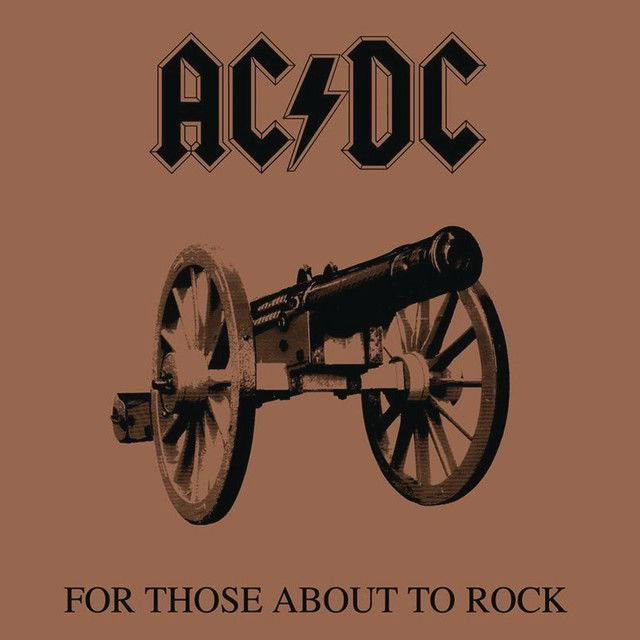
This context matters a lot for the meaning of C.O.D. AC/DC. “C.O.D.” appeared on For Those About to Rock (We Salute You) in 1981, the band’s follow-up to Back in Black and one of the albums that locked in their global success. The credited writers are Angus Young, Malcolm Young, and Brian Johnson.
Songfacts notes that the track pokes fun at rumors that AC/DC were Satanists, including false claims about their name and logo. In that light, “C.O.D.” feels less like confession and more like performance. They took a scary headline and made it into a hard rock chant.
That move fits AC/DC’s style. They often leaned into controversy, not with sermons, but with swagger. Instead of defending themselves in a serious way, they answered with noise, jokes, and a riff.
Why the Music Sells the Message
Musically, “C.O.D.” supports its meaning through force and repetition. The guitars hit with a tight, grinding attack, while the rhythm section keeps everything marching forward. There is very little softness in the arrangement, which fits a song about compulsion and pressure.
Brian Johnson’s vocal is especially important. He does not sound reflective or guilty. He sounds cornered, taunting, and half-thrilled by the danger. That tone keeps the song from feeling moralistic. It is not a lecture about bad decisions; it is a loud reenactment of one.
Interpretation: The music turns temptation into momentum. The more the chorus repeats, the more it feels like a loop the speaker cannot escape.
Two Strong Ways to Read the Song
There are at least two solid readings of “C.O.D.”:
- Public-image reading: The song is AC/DC mocking Satanic rumors and packaging them into a marketable hard rock hook.
- Personal-desire reading: The song is about lust or love as a self-inflicted debt that always demands repayment.
The best answer may be both at once. That blend is why the song still works. It is nasty, funny, and self-aware without losing its menace.
The Last Word on "C.O.D."
The meaning of C.O.D. AC/DC lies in how cleverly the song joins tabloid mythology with a simple human weakness: wanting something they know will hurt. By turning “cash on delivery” into “care of the devil,” AC/DC make temptation sound like an invoice.
That is the trick of the song. It acts outrageous, but it is more playful than literal. Interpretation disclaimer: This reading is based on the lyrics, known song context, and documented commentary, but song meaning can remain open to individual listeners.








