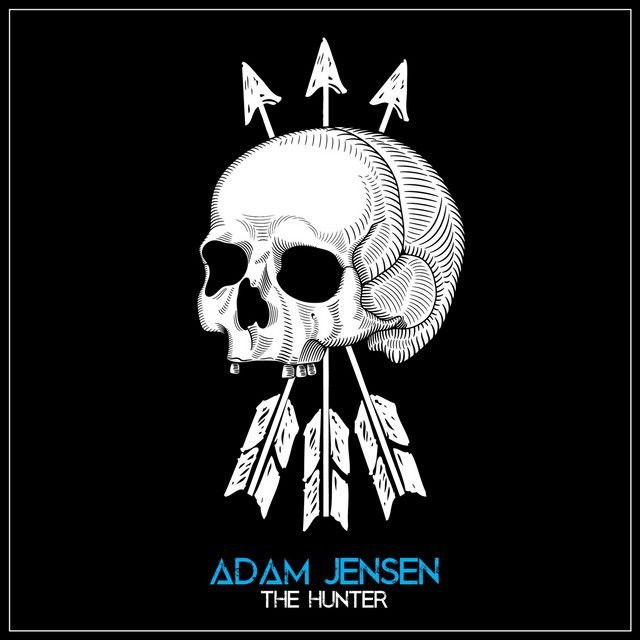
The Hunter by Adam Jensen
The meaning of The Hunter Adam Jensen comes down to conflict: power feels thrilling, but it also turns a person into a target. The song is built like a chase scene, with sharp images, nervous energy, and a chorus that flips control into vulnerability. Instead of telling one neat story, it throws listeners into a mental state where instinct rules.
"The Hunter" - Adam Jensen
Trouble with the curve
Fame is in the back seat
Loading lyrics...
Unable to load lyrics
We're unable to display the lyrics at this time. Please try again later.
Adam Jensen is known for dark, cinematic alt-pop and rock songs that often lean into tension, danger, and emotional extremes. In this track, that style matters as much as the words. The result is a song about survival, performance, and the uneasy feeling that the person doing the chasing may also be the one being chased.
A Chase Song About Power and Fear
On the surface, the narrator sounds aggressive and confident. They watch, wait, and move fast. The chorus pushes that identity hard with phrases like watching, waiting
and my blood's pumping
. Paraphrased, the song presents someone running on instinct, almost like a body reacting before the mind can catch up.
But the twist is in the title idea repeated in the hook: the hunter, the hunted
. That line changes everything. It suggests the narrator is not a simple villain or winner. They are both predator and prey, which makes the song less about domination and more about living in constant threat.
Interpretation: This dual role is the song’s central meaning. It captures what happens when a person becomes so shaped by danger that they begin to mirror it.
Watch the official The Hunter
music video
Why the Verses Feel Like a Bad Dream
The verses jump through strange scenes: cars, mountains, spaceships, photographs, war. None of these images stay still for long. Early on, the song links status and instability through the repeated image of fame is in the front seat
. In plain terms, success is riding alongside risk.
Other lines make the world feel smeared and unreal. The narrator describes blurred vision and nightmare logic, which makes the song sound less like a literal story and more like a psychological spiral. Even the requests for escape — wanting the “good life” or “good times” — feel desperate rather than joyful.
That matters because the song never presents peace as real. Every promising image is surrounded by threat. Pleasure, speed, and glamour all seem contaminated.
The Hidden Self at the Center
One of the clearest self-descriptions is wolf in sheep's clothing
. Before and after that phrase, the song frames the narrator as someone who remembers a warning and has accepted a dangerous identity. Paraphrased, they believe they are built to survive by hiding their true nature.
This adds a theme of performance. The narrator may be wearing a mask, playing a role, or protecting a wounded self by acting ruthless. That fits with the fame imagery too. Public image and private instinct are not the same thing.
Predator Mode, Defense Mode
The most interesting part of the song is that aggression may be a defense mechanism. The narrator sounds fierce, but they also sound cornered. When the song insists there is “no escaping,” it implies a trap more than a victory.
Interpretation: The “hunter” persona may be armor. They chase because stopping would mean being caught.
How the Chorus Locks In the Theme
The chorus is short, direct, and physical. It moves through action words and body language rather than reflection. That choice keeps the listener inside adrenaline instead of explanation.
Watching, waiting
My prey is praying
There's no escaping
The hunter, the hunted
This is the article’s only extended lyric quote, and even here the meaning is bigger than the literal words. The sequence sets up control, then quickly undercuts it with shared panic. The predator-prey line is not clean. Everyone in the scene seems trapped by fear.
That is why the chorus works so well. It sounds like a boast at first, then lands like a confession.
Sound, Speed, and Cinematic Pressure
A big part of the meaning of The Hunter Adam Jensen comes from how it sounds. The production feels sleek, dark, and urgent, with electronic-rock momentum that mirrors the lyrics’ obsession with pursuit. The beat drives forward like a vehicle near the limit, matching images such as “red line” and high speed.
The vocal style also matters. Jensen delivers the lines with a mix of cool control and strain, which supports the song’s split identity. They do not sound relaxed; they sound activated. That keeps the listener in a state of tension even when the melody stays catchy.
In simple terms, the track feels like a thriller soundtrack because the song is about living in thriller conditions all the time.
A Few Strong Readings of the Song
There is more than one fair way to read this track:
- Interpretation: Fame as poison. The references to fame and pictures suggest a world where image creates danger.
- Interpretation: Trauma response. The hunter identity may come from repeated exposure to threat.
- Interpretation: Power fantasy with a crack in it. The song enjoys the rush of control, but keeps exposing the fear underneath.
These readings can all exist at once. That layered ambiguity is one reason the song sticks.
Final Take on the Song's Meaning
The meaning of The Hunter Adam Jensen is not just about chasing someone down. It is about what happens when survival turns into identity. The narrator embraces speed, instinct, and menace, but the song keeps hinting that this posture comes from being haunted.
That is why the title idea is so effective: the hunter and the hunted are the same person. The song turns that contradiction into a dark, addictive anthem.
Disclaimer: This interpretation is based on the lyrics provided and publicly known artist context. Like most songs, it can support more than one valid reading.








