Why "zombie girl" Feels Tender, Not Terrifying
Adrianne Lenker’s “zombie girl” sounds eerie at first, but its emotional core is gentle. For listeners searching for the meaning of zombie girl Adrianne Lenker, the song is less about horror than about grief, longing, and the strange half-world between sleep and waking.
"zombie girl" - Adrianne Lenker
I almost couldn't wake because
I was frozen in bed with a zombie girl
Loading lyrics...
Unable to load lyrics
We're unable to display the lyrics at this time. Please try again later.
On the surface, they describe a dream about a distant figure, a zombie girl
, frozen in a moment that feels intimate but unreachable. Under that image, the song studies emptiness itself: what it is, why it hurts, and whether it might hold understanding instead of pure loss. That mix of fear and tenderness is what makes the song hit so hard.
A Dream Scene That Opens Into Grief
The first verse places the listener inside a sleep-paralysis moment. They are stuck between body and mind, unable to fully move or fully trust what they feel. When Lenker sings about being frozen in bed
, the image does more than set a scene. It turns emotional paralysis into something physical.
The figure in the room is described as vacant and ghostly, yet not monstrous. That matters. The song does not treat the “zombie girl” like a threat. Instead, she feels like a person who is present and absent at once, someone remembered, dreamed, or lost. Interpretation: this can suggest a breakup, mourning, or the afterimage of someone who still lingers in the mind even after they are gone from daily life.
There is also a near-contact moment, where the speaker almost reaches tenderness and then loses it. That withdrawal gives the verse its ache. The song keeps moving toward closeness, then pulling away before closeness can happen.
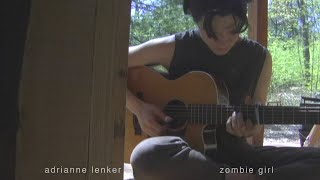
Watch the official zombie girl
music video
Emptiness Becomes the Real Subject
The most important turn in the song comes when the speaker stops addressing the dream and starts addressing emptiness. Rather than simply resisting the void, they ask it to explain itself. The repeated idea of tell me about your nature
is striking because it sounds curious, not defeated.
That curiosity changes the meaning of the song. Emptiness is no longer just a hole left by loss. It becomes something the speaker is trying to understand honestly. They even wonder if they have been misreading it all along.
Then comes one of the song’s key ideas: they cover you with music
. In plain terms, the song suggests that people often layer pain with analysis, questions, and art. Music becomes both shield and translation device. It does not erase emptiness, but it gives it shape.
The Story Moves From Fear to Recognition
The second verse mirrors the first but softens it. Again, there is dream contact that fades too quickly. Again, waking brings separation. But the emotional result is different. Instead of pure dread, the song arrives at a kind of quiet understanding.
The speaker wakes to the road again
, which hints at motion, routine, and real life continuing after the dream dissolves. That small detail grounds the song. This is not only a night terror; it is also about carrying unresolved feeling through ordinary days.
More importantly, the lost person no longer feels blank. Their words still ring through, and the speaker senses mutual understanding. Interpretation: this could mean memory has shifted. What first felt like emptiness may also contain connection, as if the absent person still lives through shared language, emotional imprint, or inner dialogue.
Why the Repetition Matters
Near the end, the song circles around the question What’s on your mind?
Repetition here works like a mind stuck in orbit. It is simple language, but it opens a huge emotional gap: the speaker wants access to someone else’s inner life and cannot fully get it.
That line can point in two directions at once. On one level, it sounds like yearning for a person who can no longer answer. On another, it may reflect the speaker questioning their own mind, especially after dreams blur the line between what is felt and what is known.
This is one reason the song feels so intimate. It does not resolve uncertainty. It stays with the need to ask.
How the Sound Carries the Meaning
Lenker’s broader solo work often uses close-miked vocals, open space, and natural acoustic textures, as heard around the era of songs and instrumentals. That style fits “zombie girl” perfectly. The performance feels near enough to whisper, which makes the song’s dream-state feel believable rather than theatrical.
The arrangement is spare, and that spareness supports the theme. A fuller production might have pushed the song toward drama or goth imagery. Instead, the soft acoustic setting keeps attention on breath, hesitation, and fragile thought. The result is that emptiness sounds lived-in, not stylized.
Lenker has also been widely recognized for writing that blends plain speech with surreal images, a quality noted in coverage of Songs and Instrumentals. “zombie girl” is a strong example of that balance. The central image is unusual, but the feeling beneath it is deeply human.
The Best Way to Read “zombie girl”
The best reading is that the song turns a frightening image into a meditation on absence. The “zombie girl” is not just a character. She represents someone emotionally unreachable, whether through distance, breakup, memory, or grief. The song’s real journey is from shock to inquiry, and from inquiry to a fragile kind of acceptance.
For anyone wondering about the meaning of zombie girl Adrianne Lenker, that is the key: it is a song about trying to meet emptiness without lying about it. Instead of conquering the void, the speaker listens to it.
A Quiet Final Thought
“zombie girl” leaves its mystery intact, and that is part of its power. It offers no neat answer, only the sense that music can sit beside loss long enough for loss to change shape.
Interpretations of songs can vary, and this reading is one informed perspective based on the lyrics, performance, and available context.







