
stuck on us by Claire Rosinkranz, Aidan Bissett
If you’ve ever fallen for someone on a late drive, the meaning of stuck on us Claire Rosinkranz, Aidan Bissett is your soundtrack. The song traps that rush—windows down, heart up—where a private moment somehow feels public. It’s love, denial, and giddiness braided into one hook.
"stuck on us" - Claire Rosinkranz, Aidan Bissett
Driving way too fast, got your foot on the floor
Oh my god
Loading lyrics...
Unable to load lyrics
We're unable to display the lyrics at this time. Please try again later.
The Rush Behind the Wheel: What It’s Really Saying
At its core, the song is about giddy commitment that both singers try to play off with humor. The title phrase stuck on us
admits attachment, while the teasing line God, I hate your love
pretends to push it away. They don’t mean hate; they mean “this is too intense to handle casually.”
Interpretation: the push-pull is emotional armor. The verses glow with breathless awe—note the repeated gasp Oh my god
—but the chorus adds a wink to avoid sounding overly earnest. It’s the sound of two people falling fast and pretending they aren’t.
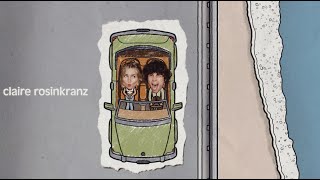
Watch the official stuck on us
music video
Two Voices, One Night Drive
The song functions like a conversation from both front seats. One voice sets the scene with hand’s in yours
, turning the car into a small universe where touch and music replace big speeches. The reply verse flips angles—now they’re at the wheel, catching glances and losing composure in quiet ways.
Interpretation: presenting dual viewpoints shows the crush is mutual. They mirror each other’s jitters and joy, which makes the title “us” matter. It isn’t unrequited, and it isn’t complicated; it’s shared and obvious.
The Hook That Outs the Secret
The refrain is blunt and public-facing, almost like a rumor the town already knows:
Everybody knows
That I’m stuck on us
Those two lines pop the bubble of privacy. In a world of posts and friend circles, private chemistry rarely stays hidden. The singers admit the worst-kept secret—and they seem relieved by it. The chant makes confession feel fun, not scary.
Symbols from the Road: Decoding the Imagery
The car is more than a set piece. Night driving carries cinematic intimacy: fewer distractions, more focus. Choosing the long way home
signals they want more time in this suspended space. The rearview
glance turns a safety check into a flirt, and the time stamp “three-oh-two” pins the memory to a hyper-specific moment.
Interpretation: motion equals momentum. The moving car tracks how quickly feelings accelerate. Headlights, empty roads, and shared songs create a cocoon where they can say what daylight won’t let them say.
How the Sound Carries the Feelings
Even without a credits sheet, the recording reads as bright, hook-driven pop: snappy drums, clean guitar, and layered harmonies that lift the chorus. The tempo feels brisk, matching the storyline’s forward motion. When they stack voices on the hook, the relationship feels bigger than either person—like the world is singing it back at them.
Interpretation: the mix keeps verses intimate and the chorus expansive. That contrast mirrors the lyrics’ move from whispers in the car to the public chant of “everybody knows.” A springy groove keeps the mood buoyant, softening the sting of that joking “hate.”
What Changes From Verse to Chorus
Verses zoom in on tiny details—hands, glances, speed—and use them to build tension. The chorus zooms out to the social frame, where feelings are common knowledge. That shift makes the love feel both intensely personal and lightly communal, which helps explain the title’s sticky quality.
Alternate Reads Worth Considering
- Interpretation: “Hate” as mock-complaint. They “hate” how love hijacks their plans and routine, not the person. It’s playful self-drag, the way friends say they “hate” how a song is stuck in their head.
- Interpretation: Performance of cool. The speakers may worry about seeming too earnest, so they lace the chorus with irony to protect their image.
- Interpretation: Public pressure. Repeating “everybody knows” could hint at the stress of being watched—when other people label your relationship before you do.
Why It Sticks (And Stays)
Hooks land when language feels inevitable. The phrase stuck on us
twists the usual “stuck on you,” making the bond feel mutual by design. Add the conversational sparks—Oh my god
, hand’s in yours
—and you get a chorus that feels like something friends would shout from the back seat.
The Bottom Line
The meaning of stuck on us Claire Rosinkranz, Aidan Bissett comes down to joyful surrender. Two people try to laugh off how hard they’re falling, but the chorus tells the truth: it’s real, it’s mutual, and it’s not a secret. The night drive just gives them the courage to say it out loud.
Disclaimer: Song interpretations are subjective. This reading blends lyrical analysis with reasonable inferences about sound and tone; other listeners may hear it differently.









