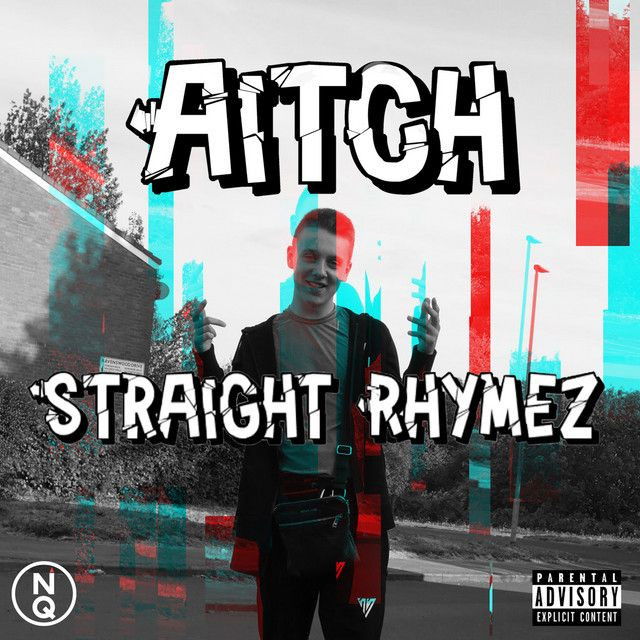
Straight Rhymez by Aitch
Before Aitch became a chart regular, this track worked like an introduction and a warning: they were funny, sharp, and very sure they belonged.
"Straight Rhymez" - Aitch
Provided by LyricFindAy yo, wassup man
Swing that camera my way here brotha
If you don't see me in my sides with my guysLoading...Loading lyrics...
Unable to load lyrics
We're unable to display the lyrics at this time. Please try again later.
The breakout energy behind the record
The meaning of Straight Rhymez Aitch starts with self-announcement. This is not a story song or a deep confession in the usual sense. It is a performance of arrival. Aitch uses the track to prove they can out-rap rivals, hold attention for several minutes, and turn raw personality into momentum.
Factually, the song was a key breakthrough. Aitch, born Harrison James Armstrong in Manchester, rose to wider attention with “Straight Rhymez” in 2018, according to Official Charts and the artist’s widely cited career history. That context matters because the song sounds like a young rapper treating one freestyle-style record as a career doorway.

Watch the official Straight Rhymez
music video
More than bragging, less than autobiography
On the surface, the song is packed with boasts about skill, women, money, and status. But the point is not just arrogance. It is demonstration. When Aitch says things like zoned tryna write rhymes
and it’s my time
, they frame success as something earned through constant writing and timing, not luck alone.
Interpretation: the song is really about turning hunger into style. The ego is loud, but it keeps pointing back to craft. Even rude punchlines and flexes are there to show control over language.
How the verses build Aitch’s persona
The rapper as technician
Aitch keeps returning to bars about writing, combining lines, and spraying lyrics like weapons. That matters because the song title points listeners toward form as much as content. “Straight Rhymez” suggests direct rap skill: no disguise, no big concept, just bars.
One of the clearest ideas appears in the closing stretch, where they lean into the role of teacher and expert. The joke about being a professor of rhymary
is funny, but it also tells listeners how they want to be seen: clever, self-aware, and better than expected.
The underdog angle
Another key theme is being underestimated. Aitch mentions being doubted and judged, then answers with performance. The line about being underestimated
is central because it gives the boasting a target. They are not flexing into empty air; they are pushing back against people who do not take them seriously.
That connects to identity too. Aitch repeatedly references being white in a Black-originated genre, not apologizing for it, but using it as part of the surprise factor. Interpretation: the song turns difference into fuel. They know some listeners may not expect elite rap ability, so they make that disbelief part of the punchline.
The song’s timeline in quick steps
The track moves less like a plot and more like a rolling set of scenes:
- They open in writing mode, presenting focus and lyrical intent.
- They shift into flirtation, jokes, and nightlife flexes.
- They move to the stage, where rap becomes competition and public proof.
- They zoom out to family advice, ambition, and emotional self-control.
- They close by thanking listeners, ending with confidence rather than closure.
That structure helps explain why the song feels loose but still unified. Every section feeds the same message: this rapper is skilled, hungry, and already thinking beyond their current level.
The family bars change the meaning
One reason the song sticks is that it is not only jokes and chest-beating. In the middle, Aitch brings in advice from their dad and values from their mom. Those lines ground the record.
“Dad said there’s not a lift up to success
You gotta take the stairs”
This is the one place where the song briefly steps out of battle mode. The image is simple and memorable: success is slow, physical, and stressful. That short family lesson reframes the rest of the track. Suddenly, the swagger sounds less random. It comes from someone who believes hard work will eventually pay off.
A little later, Aitch admits they hide when upset. That matters too. Even without turning emotional for long, the song suggests a young artist who protects vulnerability behind speed, jokes, and bravado.
Why the sound supports the message
“Straight Rhymez” was released in the early phase of Aitch’s rise, and its production is lean enough to keep the spotlight on delivery. The beat does not overpower the verses. Instead, it leaves room for internal rhyme, quick switches in tone, and comic timing.
That stripped-back feel supports the song’s purpose. A heavier or more melodic arrangement might have softened the point. Here, the production works like a sparring ring. It lets listeners focus on cadence, accents, and punchlines.
This also fits Aitch’s early career path through freestyles and online rap platforms before bigger pop-chart moments like Close to Home. The song sounds built to prove skill first, crossover appeal second.
A few motifs that matter most
Several ideas repeat across the track:
- Writing and language: bars, rhymes, teaching, spraying lyrics
- Motion: rides, stairs, stages, jetting away
- Public visibility: camera, crowd, spotlight, shades off
- Pleasure and distraction: women, drinking, groupies, nightlife
Together, these motifs show a rapper balancing work and temptation. Interpretation: the song argues that even in chaos, rap ability is the one constant thing holding the persona together.
So what is Straight Rhymez really saying?
At its core, the meaning of Straight Rhymez Aitch is simple: talent needs to be heard loudly before the world agrees it is real. The song is a self-made launch statement, mixing technical pride, crude humor, local color, and family-shaped ambition.
It also captures a version of Aitch before major awards and a long run of UK hits. That gives the record extra force in hindsight. Listeners can hear someone trying to convince the room, while history shows they soon did.
Final takeaway
“Straight Rhymez” is about more than swagger. It is about using swagger as evidence. Aitch presents confidence, but underneath it sits discipline, insecurity, and the need to outrap doubt.
This interpretation is based on the lyrics, performance, and available artist context. Like any song meaning piece, some readings remain interpretive rather than confirmed by Aitch directly.








