Why 'Ironic' Turns Bad Luck Into an Anthem
The meaning of Ironic Alanis Morissette starts with a simple idea: life rarely follows the script people write for it. Instead of giving one story, the song piles up scenes of unlucky timing, near-misses, and emotional whiplash. That is why it still connects. It takes everyday frustration and turns it into a pop-rock chorus people can shout back.
"Ironic" - Alanis Morissette
Yeah, ah, ah
Yeah, I
Loading lyrics...
Unable to load lyrics
We're unable to display the lyrics at this time. Please try again later.
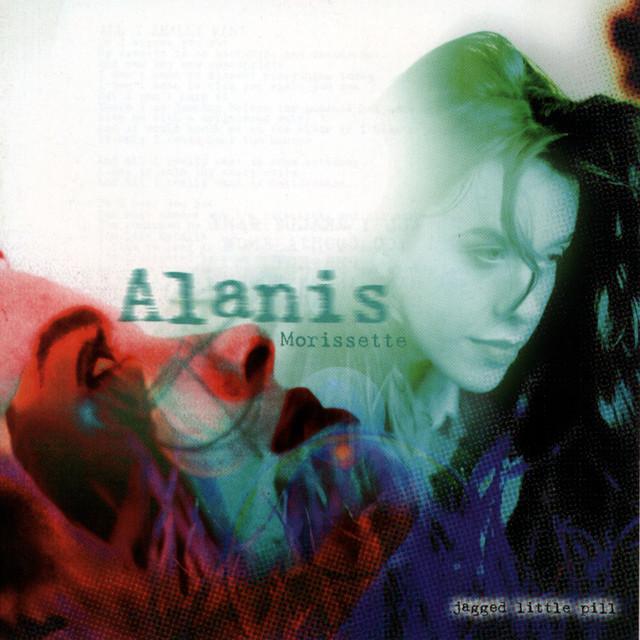
Alanis Morissette released the song during the breakthrough era of Jagged Little Pill, the 1995 album that made them a defining voice of the decade. The album was written with Glen Ballard, who also produced it, and both are credited as writers of the song. Those facts are widely documented in album and label histories, including Maverick/Warner releases and Ballard biographies.
More Than a Grammar Debate
A lot of listeners first meet the song through the argument over whether its examples are technically ironic. That debate is real, and it has followed the track for years. But focusing only on that misses the emotional truth of the song.
Rather than teaching a lesson in definitions, Morissette and Ballard write about moments that feel absurdly unfair. When the song mentions things like rain on your wedding day
or a free ride
, it points to that sinking feeling when reality seems to mock a person's hopes. The title works because it captures common speech: people call these moments ironic when what they really mean is, “Can you believe this happened now?”

Watch the official Ironic
music video
Tiny Stories, Big Pattern
Each verse gives a miniature scene. An older man finally gets lucky, then loses everything. A cautious traveler avoids risk for years, only to meet disaster when he finally acts. Someone finds what seems like perfect romance, then sees it is already taken.
These examples matter because they all revolve around expectation and reversal. The song keeps setting up a desired outcome, then undercutting it. That structure creates the theme: people plan, wait, save, dream, and still end up blindsided.
How the Hook Reframes the Verses
The repeated line built around don’t you think?
is important. It pulls the listener in and asks them to judge the scene for themselves. That makes the chorus feel conversational, almost like a friend telling unbelievable stories across a table.
Interpretation: the question is not really asking for a grammar ruling. It is asking for emotional agreement. The singer wants the listener to recognize the bitter comedy of being human.
The Heart of the Song Is About Control
The clearest statement arrives in the bridge, where the song shifts from examples to a broader life lesson:
Life has a funny way
of sneaking up on you
when you think everything's okay
This is the emotional key to the whole track. The verses show bad timing, but the bridge explains why those moments hurt so much: they break the illusion of control. Just when someone thinks the road is clear, life changes the terms.
Then the bridge adds another twist. Life can also help people when things look hopeless. That gives the song a more balanced meaning than many remember. It is not only cynical. It says unpredictability cuts both ways.
Sound, Attitude, and Why It Sticks
Part of the song's power comes from its production. Ballard's arrangement is crisp and accessible, with bright guitars, steady drums, and a strong pop structure that keeps the song moving. It does not sound heavy in a grunge sense, yet it carries emotional edge. That blend helped Jagged Little Pill cross between alternative rock and mainstream pop, as noted in coverage from sources like Britannica and The Recording Academy.
Morissette's vocal delivery matters just as much. They sing many lines with a raised eyebrow, then push harder on the chorus. That mix of sarcasm, frustration, and excitement mirrors the song's theme. The performance sounds like someone laughing because the alternative would be screaming.
Why the Images Feel So Memorable
The song uses ordinary objects and situations: traffic, signs, weather, travel, romance, utensils. That everyday imagery keeps the song grounded. Even the famous line about ten thousand spoons
works because it exaggerates a common annoyance: having plenty around you, but not the one thing you need.
The motifs are simple:
- bad timing
- false security
- near-miss rewards
- ordinary life turning strange
Together, they create a worldview where disappointment is not always tragic. Sometimes it is ridiculous first, painful second.
Alternate Ways to Read the Song
Interpretation: one reading is that the song criticizes human confidence. People believe they can prepare for everything, but the verses show how fragile those plans are.
Interpretation: another reading is more comforting. By turning setbacks into catchy stories, the song gives listeners a way to survive them. Singing along transforms private frustration into shared humor.
That may explain why the song endured even through criticism. The debate over the title never killed it, because the emotional experience remained recognizable.
Why the Meaning Still Lands Today
The meaning of Ironic Alanis Morissette is ultimately about the clash between expectation and reality. The song captures those moments when life feels unfair, silly, and oddly well-timed in the worst way. It laughs at disaster without denying that disaster hurts.
That balance is why the song remains memorable. It is catchy enough for radio, sharp enough for debate, and honest enough to make listeners feel seen.
Disclaimer: This interpretation mixes documented context with informed reading of the lyrics and performance. Song meaning can vary from listener to listener.









