Why 'Mine' Feels Like Love Found Late
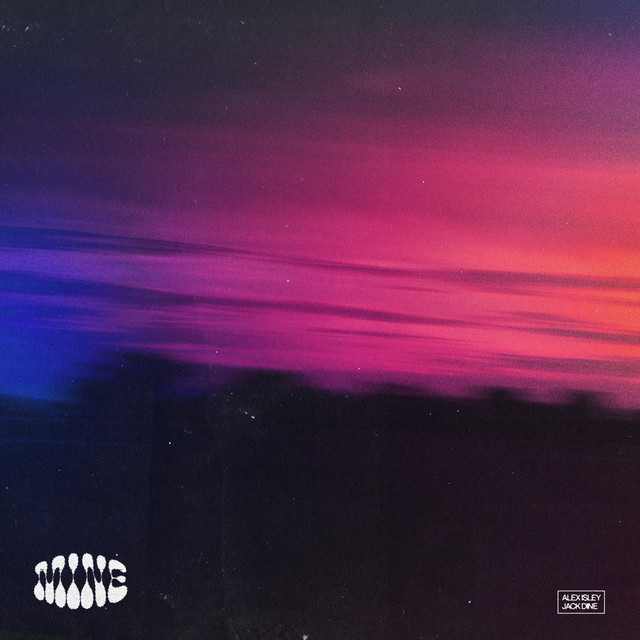
The meaning of Mine Alex Isley, Jack Dine comes through as a love song about recognition. Instead of chasing a fantasy, the speaker slowly understands that the person they needed was already close enough to be seen, known, and trusted. That shift gives the song its emotional pull: it is not just about falling in love, but about finally seeing love clearly.
"Mine" - Alex Isley, Jack Dine
Those brown eyes
See a side of me nobody knows
Loading lyrics...
Unable to load lyrics
We're unable to display the lyrics at this time. Please try again later.
Alex Isley has built a reputation for intimate, soft-focus R&B, while Jack Dine is known for sleek, atmospheric production in modern soul spaces. Those broad artistic patterns shape how listeners hear this song, even when hard-to-verify release details are limited here. The result is a track that feels private, patient, and deeply sure of itself.
A Love Song About Recognition, Not Possession
At first glance, the title and hook might suggest ownership. But the song points somewhere gentler. When the speaker repeats you've always been mine
, they sound less controlling than amazed, as if they are waking up to a bond that has existed beneath the surface all along.
That matters because the verses frame love as discovery. The opening image of those brown eyes
introduces someone who sees the hidden self. The speaker feels known in a rare way, and that recognition becomes the basis for trust, desire, and emotional surrender.
Interpretation: the chorus works like a revelation. “Mine” does not seem to mean possession; it suggests belonging, destiny, and emotional certainty.

Watch the official Mine
music video
The Story Moves From Searching to Seeing
The lyrics follow a simple but effective arc. First, the speaker is drawn in by another person’s insight and depth. Then they want access to that person’s inner life, asking to be shown more of the truth. After that comes the realization that what they were seeking may have been in front of them the whole time.
The key lines around searching “all over creation” and discovering that this person already had the keys
are central to the song’s meaning. The image of keys suggests access, opening, and understanding. The loved one is not just attractive; they unlock something.
That is why another line lands so strongly: love wouldn't leave
. Even when the speaker almost gives up, love remains active. It pushes them toward clarity instead of letting them stay numb or detached.
The Chorus Turns Time Into Proof
One of the strongest ideas in the song is that real love can make the past feel newly meaningful. The speaker says they would live life again just to meet this person once more. That is a dramatic thought, but it is delivered with tenderness, not melodrama.
I'd live this whole damn life
just to meet you once again
This brief moment expands the song’s scale. Suddenly, the relationship is not just a present feeling. It reshapes time itself. Every loss, delay, and near-miss becomes part of a path that led here.
Interpretation: this is why the refrain feels fated. The singer hears the relationship as something that was always true, even before they understood it.
Images of Treasure, Heaven, and Held Moments
The song uses rich but simple images. The speaker wants to go wherever the other person’s thoughts lead, which makes the inner world sound like a place worth traveling through. Calling those inner parts “treasures” makes emotional honesty feel valuable, rare, and worth protecting.
The phrase heaven sent
pushes the relationship into spiritual territory. Meanwhile, “every drop” and every unit of time suggest care at the smallest level. Nothing from this person is wasted. The speaker holds onto it all.
These details build a theme of abundance. Love is not shown as chaos or obsession. It is shown as something beautiful, refined, and sustaining.
How the Sound Likely Carries the Message
Even without leaning on unsourced technical claims, the style suggested by both artists helps explain the song’s effect. Alex Isley often sings with breathy control and emotional precision, which can make devotion sound conversational instead of overwhelming. Jack Dine’s production approach is often associated with smooth grooves, soft edges, and space in the arrangement.
For a song like “Mine,” that kind of sound matters. A restrained beat and warm atmosphere would support the lyrics’ sense of certainty. Rather than forcing the message, the music would let it bloom slowly, matching the idea that love was always there and only needed to be recognized.
A Few Stronger Readings of the Song
There are at least two useful ways to read the meaning of Mine Alex Isley, Jack Dine.
Reading One: Romantic destiny
This is the clearest reading. The speaker meets someone who feels preordained, emotionally fluent, and transformative. The repeated refrain becomes a statement of soul-level recognition.
Reading Two: Emotional awakening
The song can also be heard as a story about learning to receive love. In that reading, the other person matters not only because they are “the one,” but because they teach the speaker how to notice what has been missing.
Both readings fit the lyrics because the song is less interested in plot than in realization.
Why the Song Stays With Listeners
What makes “Mine” memorable is its balance. It is romantic without being flashy, intense without becoming messy, and spiritual without losing physical warmth. The writing stays simple enough to feel universal, but specific enough to feel lived in.
In the end, the song says that love can arrive like an answer to a question they did not know how to ask. That is what gives it such a calm, glowing force.
Disclaimer: This interpretation is based on the lyrics provided and general artist context. As with any song, meaning can vary from listener to listener.








