Why "I'm Eighteen" Still Hits So Hard
The meaning of I'm Eighteen Alice Cooper starts with a simple but powerful idea: being 18 feels like standing in a doorway and not knowing which side they belong to. The song captures that awkward moment between youth and adulthood, when a person feels old enough to be pushed into serious choices but still too young to understand themselves.
"I'm Eighteen" - Alice Cooper
Lines form from the ups and downs
I'm in the middle without any plans
Loading lyrics...
Unable to load lyrics
We're unable to display the lyrics at this time. Please try again later.
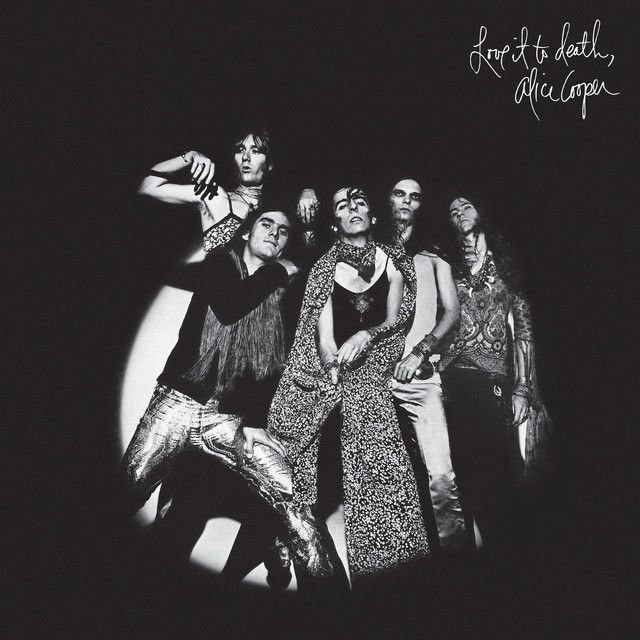
Released as a single in November 1970, the track became Alice Cooper's first major hit, reaching No. 21 on the Billboard Hot 100 and helping open the door for Love It to Death to break through commercially Wikipedia. That success matters to its meaning. This was not just a song about teenage confusion. It became an anthem because listeners heard their own uncertainty in it.
The Heart of the Song Is Being Stuck In-Between
At its core, the song is about limbo. The narrator is not a child anymore, but not fully settled as an adult either. That tension appears right away in the image of being in the middle
and in the famous line about being a boy and a man
. The speaker is split between two identities, and that split creates the whole emotional force of the track.
This is why the song still feels true. It does not present age 18 as freedom, wisdom, or glamour. Instead, it presents 18 as confusion. The narrator does not have a plan. They feel pressure, restlessness, and doubt.
Interpretation: The song treats adulthood less like an arrival and more like a shock. Turning 18 does not suddenly make a person whole. It can make them feel more divided.

Watch the official I'm Eighteen
music video
The Chorus Turns Confusion Into a Shout
The chorus is blunt: I don't know what I want
. That statement is the song's emotional center. It matters because the narrator is honest enough to say the one thing young people are often not supposed to admit.
Instead of pretending to be confident, the song says uncertainty out loud. Then it pushes that feeling further with the urge to escape, summed up in gotta get away
. That phrase is not just about leaving a town or a room. It suggests a wish to escape pressure itself.
I'm eighteen
I get confused every day
I just don't know what to say
That short passage shows why the song connected so deeply. The age is repeated almost like a label, but everything after it reveals instability. Being 18 is not presented as a clear identity. It is presented as a daily struggle to make sense of life.
The Images Show a Mind Pulled Both Ways
The verses use compact images to show this split state. One of the sharpest is baby's brain and an old man's heart
. In plain terms, the narrator feels mentally unready but emotionally worn down. That is a vivid way to describe adolescence: part innocence, part exhaustion.
The song also mentions lines on the face and hands. They are likely not literal signs of old age. More likely, they suggest stress, experience, and the feeling of having already been marked by life. The person is only 18, yet they feel burdened.
Interpretation: These details make the song more than a teen complaint. They suggest that growing up fast can leave someone feeling prematurely aged, even while they are still treated like a kid.
The 1970 Moment Gives the Lyrics Extra Weight
Context deepens the meaning of I'm Eighteen Alice Cooper. In the United States around 1970, 18 had a sharp political meaning. As Songfacts notes, young men could be drafted for Vietnam while many still could not legally drink and, in many places, could not yet vote; the 26th Amendment lowering the voting age to 18 would be ratified in 1971 Songfacts. Drummer Neal Smith said it was a song about growing up in the 1960s and the strange reality that someone could go to war but not vote Songfacts.
That context helps explain the song's urgency. The confusion is personal, but it is also social. Young people were being told they were adults when responsibility was needed and children when power was involved.
The Sound Makes the Meaning Feel Physical
The music carries the message as much as the words do. The track is built around a dark, arpeggiated guitar riff in E minor, with distorted guitars, melodic bass movement, and a rough vocal recorded to sound especially raspy and direct Wikipedia. The result is tense but catchy.
Producer Bob Ezrin played a huge role in shaping that impact. According to Alice Cooper, the song began as a loose jam, and Ezrin saw hit potential in it, pushing the band to simplify it Songfacts. That matters because the final version feels trapped and explosive at the same time. The riff circles, the chorus crashes open, and the vocal sounds like someone trying to force clarity out of confusion.
There is also a smart contrast in the ending, where the song shifts toward acceptance with and I like it
. After all the doubt, that turn feels surprising.
Why the Ending Changes Everything
The ending does not erase the confusion. It reframes it. By saying they like being 18, the narrator seems to accept the mess rather than solve it. The song suggests that uncertainty is not only painful; it can also feel alive, rebellious, and full of possibility.
That is one reason the track influenced later punk and hard rock artists and was later recognized by outlets like Rolling Stone and the Rock and Roll Hall of Fame Wikipedia. It speaks in simple words, but it captures a real human contradiction: people can hate feeling lost and still love the energy of becoming.
Final Take On Its Lasting Meaning
The lasting meaning of I'm Eighteen Alice Cooper is that adulthood does not begin with certainty. It begins with tension, noise, and mixed signals. The song turns that uncomfortable truth into a hard-rock anthem.
For many listeners, that is why it still works. It does not pretend youth is easy. It admits that growing up can feel like being split in two, then finding a strange kind of pride inside that split.
Disclaimer: This interpretation combines lyrical analysis with documented historical context and production facts. As with any song, meaning can vary from listener to listener.









