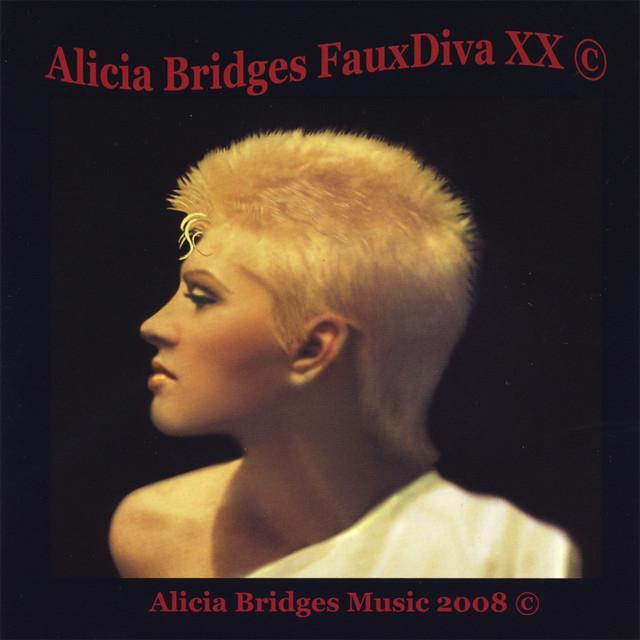
I Love The Nightlife by Alicia Bridges
The hook sounds like pure disco fun, but the song's real power comes from rejection, self-protection, and the choice to keep moving.
"I Love The Nightlife" - Alicia Bridges
Provided by LyricFindI love the nightlife, I got to boogie
On the disco 'round, oh, yeah
Oh, I love the nightlife, I got to boogieLoading...Loading lyrics...
Unable to load lyrics
We're unable to display the lyrics at this time. Please try again later.
More Than a Disco Slogan
When people search for the meaning of I Love The Nightlife Alicia Bridges, they usually expect a simple party anthem. That is only part of the story. Under the glitter, the song is about a narrator refusing to spend one more night listening to a partner's excuses.
Instead of talking through a damaged romance, they choose the club, the crowd, and the feeling of motion. The famous hook, I love the nightlife
, is not just about dancing. It is a boundary. It says they would rather reclaim their energy than sit in pain.
Factual context helps here. "I Love the Nightlife (Disco 'Round)" was released in 1978 as the lead single from Alicia Bridges' self-titled debut album on Polydor, and it became a major crossover hit, reaching No. 5 on the Billboard Hot 100 and No. 2 on Billboard's dance chart, according to the song's chart history summarized by Wikipedia and background reporting from Songfacts.

Watch the official I Love The Nightlife
music video
The Verses Turn Escape Into a Decision
The verses are direct and sharp. The narrator asks their partner not to bring up love, truth, or future plans. In plain terms, they have heard enough. Short phrases like please don't talk about love tonight
and fixin' this broken romance
frame the relationship as worn down and beyond repair.
What matters is the timing. They are not saying love never mattered. They are saying tonight is not for one more empty repair session. That makes the song less carefree than it first appears.
A later line cuts deeper by pointing to infidelity and false charm. The partner's words no longer work because the damage is already visible. When the narrator says I want some action
, it can sound flirtatious, but in context it also means life, momentum, and a chance to feel powerful again.
The Chorus as Freedom, Not Fantasy
The chorus is catchy because it reduces a complicated emotional mess into one clean decision: dance instead of dwell. The repeated idea of having to boogie
is playful, but it also feels urgent. This person needs release.
That urgency turns nightlife into a symbol. The disco is not just a building. It represents anonymity, possibility, and a temporary world where heartbreak loses control. In a crowded room, they do not have to explain themselves.
I got to go
where the people dance
That brief moment captures the whole emotional engine of the song. They move away from private disappointment and toward public energy. The crowd becomes a kind of medicine.
Why the Sound Changes the Meaning
Part of the song's staying power comes from the way the production sells liberation. Even though it became known as a disco classic, the song's roots were more R&B-leaning. Songfacts reports that Alicia Bridges and Susan Hutcheson wrote it as an R&B song, and Bridges later said she had imagined something closer to Memphis soul than a pure disco record.
That history matters. It explains why the song has more bite than a disposable club chant. The groove is sleek and danceable, but the vocal attitude is firmer than the average disco fantasy. There is frustration in it. There is also resolve.
According to Wikipedia, the track was produced by Steve Buckingham and Alicia Bridges. Songfacts adds that a 12-inch remix by Jim Burgess became the version many clubs played. That remix culture helped lock the song into disco history, even though its emotional core comes from confrontation and escape rather than simple celebration.
Artist Intent Makes the Song More Interesting
One of the most revealing facts about the song is that its writers did not see it as just a disco statement. Songfacts quotes co-writer Susan Hutcheson saying the song was not originally cut with disco as the main idea; disco was simply where the narrator would go after telling a man to leave them alone. That comment sharpens the meaning.
In other words, the nightlife is the setting, not the whole message. The real drama is emotional refusal.
There is another twist. Songfacts also reports that Bridges openly disliked disco as a trend and resisted becoming a full-time disco artist. That irony gives the song extra depth. A track often remembered as shiny and carefree was made by artists who heard something tougher and more soulful inside it.
Legacy, Queer Afterlife, and Cultural Meaning
Over time, the song's meaning expanded beyond its original breakup scene. Its use in films such as Love at First Bite, The Adventures of Priscilla, Queen of the Desert, and The Last Days of Disco helped make it part of a larger nightlife mythology, as noted by Songfacts and Wikipedia.
Interpretation: In that later cultural life, the song came to stand for reinvention. A person enters the night carrying rejection or disappointment and comes out transformed by rhythm, style, and community. That reading helps explain why the song still feels bigger than its simple words.
Final Take Under the Mirror Ball
The meaning of I Love The Nightlife Alicia Bridges is not just that they love to dance. It is that dancing becomes the answer to disrespect, boredom, and emotional dead ends. The narrator refuses a false romance and chooses movement, noise, and self-possession.
That is why the song lasts. It turns a breakup into a beat and makes escape sound strong instead of sad.
Disclaimer: This interpretation mixes documented facts about the song's creation and reception with close reading of the lyrics. Meaning can remain subjective, and listeners may hear different emotional shades in the track.







