
Bad Things by Alison Wonderland
Alison Wonderland turns a simple hook into a survival message: do not get attached to the pain that is hurting them.
"Bad Things" - Alison Wonderland
Provided by LyricFindI won't make my bed tonight
'Cause I don't feel like sleepin' tight
Wanna ask if you're alrightLoading...Loading lyrics...
Unable to load lyrics
We're unable to display the lyrics at this time. Please try again later.
Why This Song Hits So Hard
The meaning of Bad Things Alison Wonderland centers on a fight against emotional darkness. The song sounds small and private, but its message is big: pain can become familiar, even tempting, and that is dangerous. Instead of glorifying sadness, the narrator tries to pull themselves back toward life.
That idea fits Alison Wonderland’s wider catalog. Alexandra Sholler is an Australian producer, singer, and DJ known for blending electronic production with vulnerable writing. She released “Bad Things” on September 23, 2020, as the lead single from Loner, which followed in 2022. She has also spoken publicly about mental health struggles, which gives the song extra weight without reducing it to autobiography. Those career details are widely documented in major discographies and biographical sources.
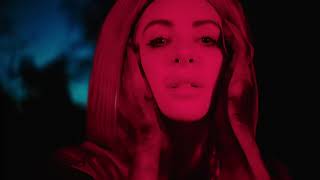
Watch the official Bad Things
music video
A Night of Restlessness and Emotional Distance
The opening verse starts with ordinary behavior that feels off. When the singer says I won't make my bed tonight
, the detail suggests more than messiness. It hints at exhaustion, insomnia, or a refusal to pretend everything is normal.
Then the song adds distance and concern at the same time. The narrator wants to check on someone else, but they also admit needing space. That push and pull matters. They care, but they are too drained to fully show up. In that sense, the song is not only about heartbreak. It is also about emotional survival when a person has very little energy left.
The World Feels Cold on Purpose
Stress, speed, and numbness
The second verse widens the frame. Lines like It's a cold place
and it's a rat race
make the problem feel social as well as personal. This is not just one bad relationship or one bad night. The world itself feels harsh, rushed, and emotionally thin.
The phrase fake smile
deepens that idea. The narrator seems surrounded by performance: people acting fine, even when they are not. That image connects to a major theme in Alison Wonderland’s work—what happens when inner pain clashes with outer image.
A heart split in two
The song then asks what happens when someone loses half of your heart
. That is a short phrase, but it does a lot of work. It could point to breakup, betrayal, depression, or emotional burnout. The exact cause stays blurry, and that ambiguity is useful.
Interpretation: the song may be less interested in naming one event than in showing the aftershock. Something vital has been damaged, and now the narrator is trying not to become attached to the damage itself.
The Chorus Turns Pain Into a Warning
The chorus is where the song reveals its central message. When Alison repeats Don't fall in love
with the bad things
, the line sounds like advice given in the middle of a crisis. The warning is not just about avoiding harmful people. It is about not becoming loyal to despair.
That is what makes the refrain so strong. Many songs describe pain; this one warns against identifying with it too deeply. The repeated plea to be reminded why they are still alive turns the chorus into a grounding exercise.
Don't fall in love with the bad things
Remind me why I'm still alive
In plain terms, the chorus says: pain is real, but it should not become home.
How the Production Carries the Meaning
Alison Wonderland’s music often mixes emotional openness with electronic control, and this track follows that pattern. The production around “Bad Things” is lean, tense, and spacious. Instead of flooding the song with giant festival energy, it leaves room for unease.
That restraint matters. The beat feels steady, but the atmosphere feels fragile. Soft synth textures and a restrained vocal delivery make the song feel like a private conversation happening after midnight. The drop never erases the sadness; it just gives it shape.
Interpretation: this balance between pulse and emptiness mirrors the lyric idea. The narrator is still moving forward, but they are doing it while carrying heavy emotional weight.
Alison Wonderland’s Context Adds Another Layer
Sholler’s background helps explain why the song lands with so many listeners. Before becoming a global EDM name, they trained as a classical musician and later built a career as a producer, vocalist, and live performer. Their second album, Awake, debuted at No. 1 on Billboard’s Top Dance/Electronic Albums chart in the United States, showing how strongly their emotional style connected with audiences.
They have also been open about depression and mental health challenges in public interviews and coverage. That context does not prove the song is strictly autobiographical. But it does support why listeners hear “Bad Things” as a serious meditation on staying alive emotionally, not just a dramatic breakup song.
Two Strong Ways to Read the Song
Reading one: a song about depression
This is the clearest reading. The sleeplessness, numb world, and plea for a reason to keep going all point toward a battle with destructive thoughts.
Reading two: a song about toxic attachment
The title can also describe attraction to what hurts them—whether that means a person, a pattern, or a lifestyle. In this reading, the song warns against mistaking pain for passion.
Both interpretations work because the writing stays broad enough to hold more than one truth.
Why “Bad Things” Still Resonates
The meaning of Bad Things Alison Wonderland is powerful because it says something many people feel but rarely phrase so clearly: sadness can become familiar, and familiar pain can start to feel safe. This song pushes back against that trap.
It does not offer easy healing. Instead, it offers a small but vital act of resistance—remembering there is still a reason to stay here.
Disclaimer: This interpretation is based on the lyrics, production, and publicly available artist context. Like many songs, “Bad Things” can support more than one valid reading.








