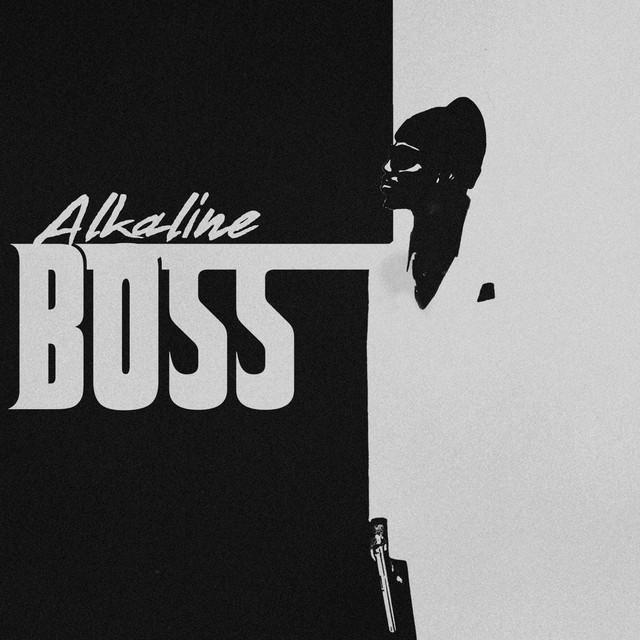
Boss by Alkaline: Power, Rank, and Persona
In “Boss,” Alkaline does not tell a soft, reflective story. They build a hard-edged portrait of status, control, and survival, turning dancehall braggadocio into a statement about who holds power.
"Boss" - Alkaline
Provided by LyricFindAy, yeah
Hey, hey
Execution styleLoading...Loading lyrics...
Unable to load lyrics
We're unable to display the lyrics at this time. Please try again later.
What the meaning of Boss Alkaline comes down to
The meaning of Boss Alkaline is centered on authority. The song presents Alkaline as someone above rivals, beyond confusion, and fully aware of their own rank. It is not a love song or a deep narrative ballad. It is a posture record: a song built to establish dominance.
That is clear in the hook, where they call themselves Boss fi every boss
and don fi every don
. Those phrases are not subtle. They frame the whole track as a declaration of top-tier status.
At the same time, the chorus adds a twist with Humble like a lamb
. That contrast matters. They are not claiming wild, chaotic power. They are claiming controlled power—strength so secure it does not need to explain itself twice.
A voice built for command
Alkaline, born Earlan Bartley, emerged from Kingston and became one of dancehall’s biggest names, known for a strong visual identity and a confident, often confrontational style. According to publicly available career summaries, they broke through internationally in the mid-2010s, and New Level Unlocked reached No. 1 on Billboard’s Reggae Albums chart in 2016 (Wikipedia). That larger career arc helps explain why a track like “Boss” sounds so self-assured.
This song speaks in a first-person boast, but its target is wider than one enemy. They address doubters, imitators, and lower-ranked challengers as a group. The repeated idea of no confusion
tells listeners that, in the song’s world, the hierarchy is already settled.
Interpretation: The track is less about proving power than reminding everyone who already has it.
How the verses build that message
The verses keep returning to three linked ideas:
- Rivals are pretending.
- Real power can be recognized from a distance.
- Talking tough is not the same as being dangerous.
When Alkaline mocks bluffing and empty posturing, they turn the song into a test of authenticity. One verse suggests that fake hard men are easy to expose. Another paints punishment as swift and certain. The exact images are violent and exaggerated, but the larger point is simple: in this track, weakness is noise, while strength is action.
A short phrase like higher rank
helps show that status is the real subject. Even the threats serve that idea. They are meant to underline hierarchy, not just anger.
The hook is the whole thesis
The chorus is the song’s mission statement. Repetition makes it memorable, but it also gives the song a ritual quality. Every time the hook returns, it resets the argument: Alkaline stands at the top, and everybody else is beneath that level.
Boss fi every boss
don fi every don
Ever ever militant
Humble like a lamb
This is the article’s only multi-line lyric quote, and even here the meaning is bigger than the wording. The lines combine rank, readiness, and restraint. That blend is why the chorus sticks. It says they are always prepared, but never confused about who they are.
Interpretation: The phrase Ever ever militant
does not only suggest aggression. It also signals discipline, vigilance, and a refusal to be caught slipping.
Images of war, masks, and public respect
The song uses battle imagery throughout. Weapons, impact, distance, and sudden defeat all create an atmosphere of threat. In dancehall, that kind of language often works symbolically as much as literally. It can mark real-world danger, but it also dramatizes lyrical competition, street credibility, and fearlessness.
Another important motif is performance. The song keeps separating the genuine from the fake. Rivals are described as bluffers, ranters, or clowns. That means “Boss” is not only about violence or intimidation. It is also about image management.
That idea fits Alkaline’s career. Their public image has long been part of the conversation around their music, from early controversy over their eye look to the larger “Vendetta Boss” identity (Wikipedia). In that context, “Boss” sounds like a song about controlling the narrative as much as controlling opponents.
Why the production matters
Even without extensive public production notes, the writing and delivery point to a classic hard dancehall approach. The beat leaves room for the voice to cut through, while the repeated hook gives the song a chant-like force.
The flow is clipped and direct. Bars land like warnings, and the beat likely supports that with heavy low end and sharp rhythmic emphasis. That matters because the production does not soften the message. It reinforces it.
Interpretation: The sparse, forceful style helps the song feel like an order being delivered, not a conversation being opened.
Final takeaway on the meaning of Boss Alkaline
The meaning of Boss Alkaline is about power with certainty. The song frames leadership as something earned, visible, and impossible to mistake. Its threats, boasts, and repeated claims of rank all serve one purpose: to present Alkaline as the person who sets the rules, not the one who follows them.
For listeners in the United States who may be newer to dancehall, “Boss” works best as a persona track. It is a performance of command, where status, self-belief, and intimidation merge into one identity.
Disclaimer: Song meaning is always part fact, part interpretation. This reading is based on the lyrics provided, Alkaline’s public career context, and common dancehall conventions.







