Why Altan’s “Dúlamán” Feels Ancient and Alive
The meaning of Dúlamán Altan starts with a surprise: this beloved Irish traditional song is built around seaweed. More specifically, dúlamán means channel wrack, an edible seaweed tied to coastal life in Ireland. That may sound odd at first, but the song turns that everyday material into something playful, musical, and full of character.
"Dúlamán" - Altan
A mháithair mhín ó, cuir na roithléan go dtí mé
Chorus (after each verse):
Loading lyrics...
Unable to load lyrics
We're unable to display the lyrics at this time. Please try again later.
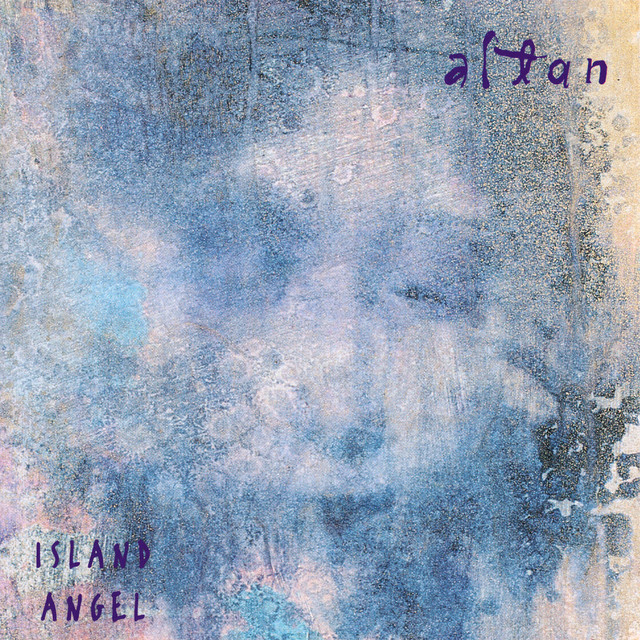
Altan’s recording helps make that old-world idea feel vivid. Their version, released on Island Angel in 1993, is one of the best-known modern recordings of the traditional song, and the tune has also been recorded by groups like Clannad and later appeared in wider popular culture, including Song of the Sea through Kíla’s performance. A Hot Press review even praised Mairéad Ní Mhaonaigh’s delivery as “truly haunting,” a sign of how strongly Altan’s version landed with listeners.
A Folk Song About Courtship, Work, and Wit
At the clearest level, the song stages a comic courtship. A young woman, her mother, and two kinds of seaweed-like suitors appear in a teasing exchange about who gets to pursue whom. Instead of using plain human names, the song makes seaweed into speaking figures. That gives the whole piece a half-real, half-fairy-tale feeling.
This is why the meaning of Dúlamán Altan is not just “about seaweed.” It is about how folk songs transform ordinary labor into drama. In coastal Ireland, gathering seaweed mattered economically and culturally, so the song borrows that world and turns it into flirtation.
One recurring phrase, Dúlamán Gaelach
, points to a specifically Irish identity. Another, Dúlamán na farraige
, ties the song directly to the sea. The chorus praises this figure as the best in Ireland, which sounds exaggerated on purpose. That bragging tone adds humor and pride at the same time.

Watch the official Dúlamán
music video
How the Story Moves
The verses unfold like a quick folk comedy:
- A young woman is being courted.
- Seaweed figures are described almost like dressed-up men.
- There is talk of travel and expensive shoes.
- Messages go back and forth between would-be lovers.
- The ending sharpens into a mock argument over the daughter.
The details are funny because they are so concrete. The song mentions black shoes, clothing, and grooming. A phrase like bróga daora
suggests costly shoes, adding a touch of bragging display. Another moment implies that a promised gift is no longer needed because the girl is already groomed and prepared.
Seaweed as a Human Character
One of the song’s cleverest tricks is description. The lyrics give the seaweed physical traits, almost as if it were a person getting ready to impress someone. Even lines about appearance and clothing feel like part of a joke in which nature and society blur together.
Interpretation: This can be heard as a way of showing how close coastal communities were to the natural world. The shore is not just scenery. It becomes part of daily speech, romance, and imagination.
Why Altan’s Performance Matters So Much
Altan are central to modern Irish traditional music, especially for bringing Donegal-style energy and precision to international audiences. In their hands, “Dúlamán” is not treated like a museum piece. It moves with pulse, lift, and strong vocal character.
Ní Mhaonaigh’s singing matters because the song needs both clarity and mischief. The melody carries old communal feeling, but her phrasing gives the words shape even for listeners who do not speak Irish. That is one reason people respond emotionally before they even understand every line.
The arrangement also deepens the song’s meaning. Traditional instrumentation and rhythmic drive make it feel communal rather than private. This is not a confessional ballad. It sounds like something shared, passed around, and enjoyed together. The bright movement of the tune contrasts with the slightly competitive dialogue in the lyric, which keeps the mood playful instead of harsh.
The Chorus as a Statement of Pride
The chorus is the key to the song’s staying power. By repeating praise for the seaweed figure, it turns a local image into an emblem. A phrase like b'fhearr a bhí in Éirinn
frames the subject as the finest in Ireland.
That matters because folk songs often elevate common things. Farming tools, birds, rivers, or plants become symbols of place. Here, seaweed stands for coastal Irish life itself: useful, familiar, and worthy of song.
Interpretation: Some listeners may hear the chorus as gently patriotic. Not in a heavy political sense, but as a warm celebration of Irish language, local tradition, and regional identity.
A Deeper Reading Beneath the Humor
There is another layer to the meaning of Dúlamán Altan. The song may be playful, but it reflects a real economy in which seaweed had value for food, fertilizer, and trade. Research on Irish seaweed traditions helps explain why a song like this would exist at all: it comes from a world where the shore helped sustain life.
That context makes lines of courtship and bargaining feel more grounded. When the song talks about goods, appearance, and pursuit, it may be joking, but it is joking with the materials of real community life.
By the end, the exchange grows more forceful, with one speaker refusing a match and another threatening to carry the girl off. In performance, this lands less as menace than as exaggerated folk drama. The song likes verbal contest. It pushes emotion into comic theater.
Why the Song Still Connects Today
For U.S. listeners, Altan’s “Dúlamán” can feel magical even before its meaning is translated. That is part of its power. The rhythm, repetition, and bright vocal flow carry the mood first. Then the lyric opens up into something richer: a portrait of courtship, humor, and Irish coastal identity.
In the end, the meaning of Dúlamán Altan lies in that blend of the ordinary and the enchanted. Seaweed becomes a suitor. Work becomes song. Local life becomes legend.
Disclaimer: This interpretation combines established cultural context with informed reading of a traditional lyric. Because “Dúlamán” is a folk song with multiple versions and a long oral history, some meanings remain open to interpretation.








