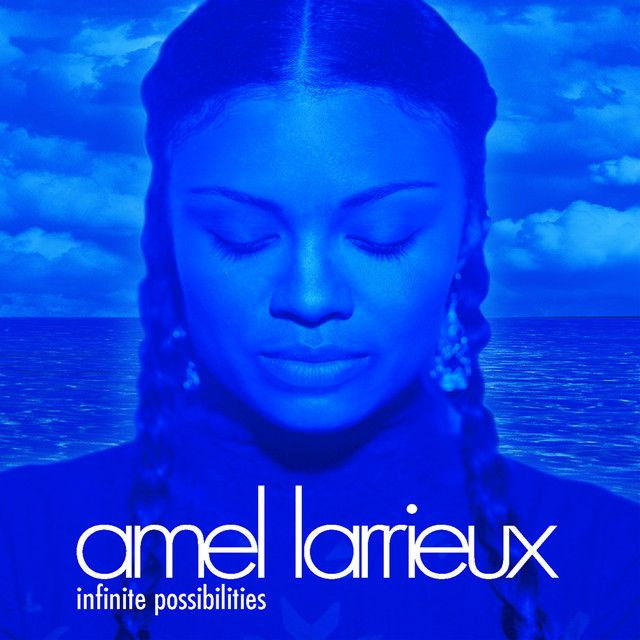
I N I by Amel Larrieux
A Quiet Song With a Strong Core
The meaning of I N I Amel Larrieux centers on self-definition. In simple terms, the song argues that beauty, worth, and spiritual truth should not be handed down by magazines, trends, or strict gatekeepers. They should come from within.
"I N I" - Amel Larrieux
Wonderin' why I could never find to many girls that look like me
All I saw was hair so blonde and eyes so very blue
Loading lyrics...
Unable to load lyrics
We're unable to display the lyrics at this time. Please try again later.
Amel Larrieux built much of their solo work around intimacy, thoughtfulness, and personal freedom. According to widely available career summaries, they rose to fame in Groove Theory before launching a solo career, and their debut album Infinite Possibilities arrived in 2000. That context matters here because the song sounds like a personal statement from an artist who valued creative independence.
In that light, “I N I” feels less like a protest anthem and more like a calm refusal. It pushes back against outside pressure without shouting. That gentle approach is part of what makes the song memorable.

Watch the official I N I
music video
The First Verse Turns Beauty Standards Inside Out
The opening scene is direct and relatable. The narrator remembers being a child, looking at a magazine, and noticing that the images of beauty did not look like them. The song points to a media world dominated by one narrow image: blonde hair, blue eyes, and the promise that anyone can buy that ideal.
That setup gives the track its first big theme: representation. When the lyric recalls not seeing girls that look like me
, it is not only about appearance. It is about what happens when a person learns, very early, that public beauty standards exclude them.
Larrieux answers that problem by rejecting borrowed definitions. The key idea comes in lines about not letting others define beauty and not following blindly. The phrase God made me just fine
sums up the song’s response: self-acceptance is not vanity here. It is dignity.
Interpretation: More Than Self-Esteem
Interpretation: The first verse can be read as a critique of colorism and Eurocentric beauty ideals, even though the song keeps its language broad and accessible. They do not use heavy theory or slogans. Instead, they ground the issue in one child’s experience, which makes the message feel personal rather than abstract.
“Ini” as Identity, Spirit, and Refusal
The chorus is short, but it carries unusual weight. The repeated word Ini, ini
works like a mantra. Because the verses are about refusing false standards and standing in one’s own truth, the hook seems to name a centered self.
Interpretation: The title may suggest a spiritual or philosophical idea of unity between the self and the divine, or between inner truth and outward life. Even without a formal explanation from the artist, the chorus clearly acts as a grounding point. It is the song’s way of returning to identity after each challenge.
That matters because the song does not only talk about what they reject. It also offers a positive replacement: a stable inner voice. The chorus is brief enough to feel meditative, almost like a breath between arguments.
The Second Verse Expands From Beauty to Belief
After discussing image, the song widens its focus to religion and judgment. The narrator describes people who act as if salvation belongs only to those who think exactly like they do. The criticism is not aimed at faith itself. It is aimed at spiritual control.
That is why the line about not subscribing to their philosophy
hits so hard. The song separates sincere belief from dogma. It also repeats the warning against moving through life as if one were blind.
Followin' like I'm blind
just won't do for me
This is the article’s only multi-line lyric quote, and it captures the song’s moral center. Whether the subject is beauty or religion, the message stays the same: they refuse to hand their conscience to somebody else.
How the Sound Supports the Meaning
“I N I” works because its production does not fight the lyric. Larrieux’s music often blends R&B, soul, neo-soul, and jazz touches, and that soft, breathable palette suits this song well. Instead of sounding confrontational, the arrangement feels patient and luminous.
That choice matters. A harsher beat could have turned the song into a lecture. The gentler approach makes it feel reflective, like they are thinking out loud and inviting the listener to do the same.
Their vocal style also helps. Larrieux is known for light, airy phrasing, and here that softness becomes a tool of conviction. They do not need to over-sing the message. The calm delivery implies certainty.
Why Context Deepens the Song
Artist context strengthens the reading. Larrieux later spoke publicly about leaving major-label situations and protecting their creative voice. In one widely cited comment, they said they had been asked to tone it down
as a solo artist. That does not prove “I N I” is autobiographical in every detail, but it does fit the song’s larger concern with resisting pressure and staying whole.
Why the Song Still Connects
For many listeners, the power of “I N I” lies in how neatly it joins two struggles that are often discussed separately:
- pressure to look acceptable
- pressure to believe correctly
- pressure to conform without questioning
The song’s answer to all three is consistent. A person should not need approval from beauty culture or religious gatekeepers to know their value.
That is why the meaning of I N I Amel Larrieux still feels relevant in the United States today. Social media has only made image pressure more intense, while public debates about identity and belief remain deeply emotional. This song offers a steady alternative: inner clarity over outside noise.
Final Take on “I N I”
At its heart, “I N I” is about self-trust. It begins with a child learning that the world’s mirror is distorted, then moves toward a mature belief that real worth comes from creation, conscience, and self-knowledge.
Interpretation: The song is not anti-beauty or anti-religion. It is anti-imitation and anti-judgment. That distinction is what gives it lasting grace.
Disclaimer: This interpretation is based on the song’s lyrics, performance, and publicly known artist context. As with any art, listeners may hear meanings that differ from this reading.








