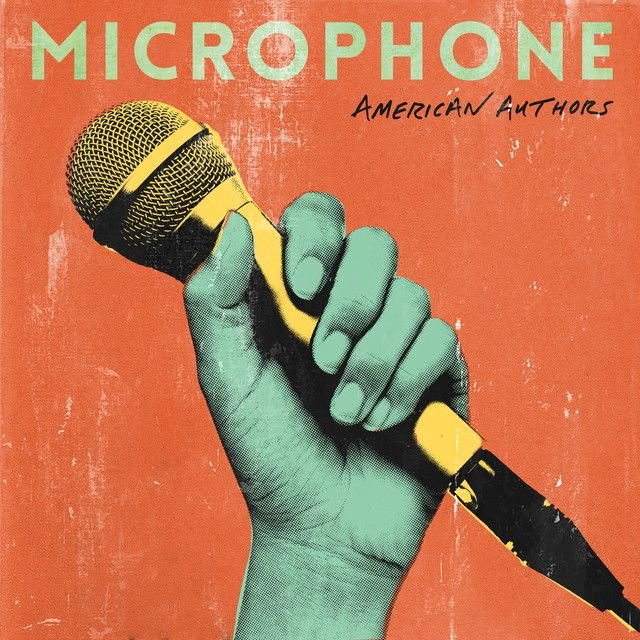
Why "Microphone" Is American Authors’ Loudest Statement
The meaning of Microphone American Authors comes down to one clear idea: they frame a pop-rock anthem around the need to be heard. Beneath the bright energy and chant-ready hook, the song is about refusing silence when the world feels chaotic, numb, or dismissive.
"Microphone" - American Authors
All my friends are getting high
I just want my microphone
Loading lyrics...
Unable to load lyrics
We're unable to display the lyrics at this time. Please try again later.
American Authors built their reputation on upbeat, motivational songs, especially after the success of Best Day of My Life and later releases documented by the band and major music outlets such as Island Records and AllMusic. “Microphone” fits that larger pattern. It sounds fun on the surface, but its real subject is voice: personal voice, artistic voice, and the courage to keep using it.
A Chorus About Expression, Not Escape
At the center of the song is a sharp contrast. The lyrics describe a world spinning out of control, then place that against one simple desire: my microphone
. That matters because the speaker does not ask for comfort, romance, or even escape. They ask for a tool that lets them speak.
This is why the hook feels bigger than a stage prop. In plain terms, the microphone becomes a symbol of agency. When the song says the world's on fire
, it paints a setting full of pressure and instability. Against that backdrop, wanting the microphone means wanting presence and influence.
Interpretation: The song suggests that expression is their answer to modern chaos. While other people tune out or drift away, the speaker wants to turn up and engage.

Watch the official Microphone
music video
The Verses Push Back Against Silence
The song’s verses are built around resistance. The speaker moves through nighttime streets with fear and tension close by, then hears the message to stay quiet. Instead of obeying, they answer with defiance.
That attitude is summed up in the short line I won't shut my mouth
. They are not trying to be polite or invisible. They believe silence would betray who they are.
Another key line, I built this house
, adds ownership. Even without a literal story, the phrase implies they earned their place. They built a life, a sound, or an identity, and they refuse to let others push them out of it.
Who They Seem to Be Talking To
The song never names one clear listener, which makes it more flexible. They could be speaking to critics, friends, an audience, the music industry, or even themselves.
That ambiguity helps the song work as an anthem. The call of is anybody here listening?
sounds outward at first, like a stage check before a performance. But it also carries emotional weight. It can mean: Do people hear the real person beneath the noise?
Interpretation: This double meaning is one reason the song connects. It can be heard as both a concert-ready chant and a personal plea for recognition.
The Big Symbol: What the Microphone Represents
A microphone is a simple object, but the song treats it as something larger. It stands for at least three things:
- A platform — the ability to address a crowd.
- Identity — proof that their voice matters.
- Power — the chance to shape noise into message.
That is why the repeated request to be louder does more than energize the chorus. It turns volume into self-belief. The later images about being louder in their soul and bones push the idea inward. This is not just about sound equipment. It is about becoming fully aligned with their own conviction.
How the Sound Supports the Meaning
American Authors are known for polished, high-energy pop rock with singalong hooks, a style noted across band profiles and discographies at AllMusic and Apple Music. “Microphone” uses that same approach to reinforce its message.
The beat and repetition make the song feel like a rally. The check-one-two count mimics a live setup, putting listeners inside the act of performance from the start. The pounding rhythm, layered vocals, and rising chorus all make the message feel physical, as if the song is literally turning itself up.
This matters because production is part of meaning. A quiet, stripped-down arrangement would have changed the message. Instead, the track sounds bold, glossy, and public. That sonic confidence mirrors the lyrics’ refusal to back down.
A Rebellious Song With Pop Shine
One of the smartest things about “Microphone” is how it wraps defiance inside a catchy package. The speaker is called too loud and too proud, but the song treats those labels almost like compliments.
Rather than apologizing, they lean into them. The result is rebellion without bitterness. It is not a dark takedown song. It is a bright declaration that being outspoken is part of survival.
That balance is important to the meaning of Microphone American Authors. The band does not present rebellion as destruction. They present it as healthy self-assertion.
Another Way to Read the Song
There is also a second plausible reading. The song may be about the creative life itself. With six credited writers — David Rublin, Grant Michaels, James Adam Shelley, Matthew Sanchez, Sam Hollander, and Zachary Barnett — it comes from a collaborative pop-writing environment, as reflected in standard song credit databases like ASCAP and BMI.
Interpretation: From that angle, “Microphone” is about artists fighting to keep their voice clear in an industry full of trends, pressure, and distraction. The world is noisy, everybody chases some other high, and the real need is still the same: a chance to speak honestly and be heard.
Why the Song Still Lands
What makes “Microphone” work is its simplicity. It takes one image and builds a whole identity around it. The song says that when life gets overwhelming, some people disappear into the noise. Others reach for a microphone.
That is what gives the song its lasting appeal. It offers confidence without pretending the world is easy.
Disclaimer: This interpretation is based on the released lyrics, the band’s broader style, and publicly available credits. As with any song, meaning can vary from listener to listener.








