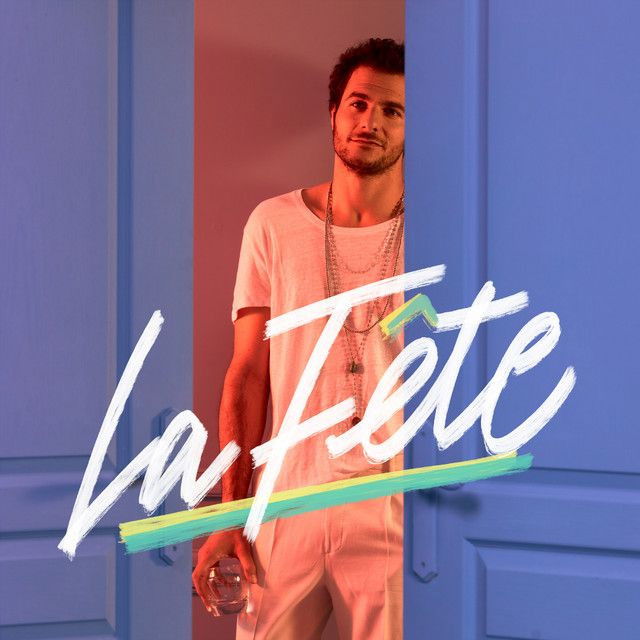
Why "La fête" by Amir Feels Like Defiance
The meaning of La fête Amir is bigger than a simple party anthem. On the surface, the song is about nights out, drinks, noise, and friends. Under that surface, it is about using celebration as a shield against stress, heartbreak, work trouble, and the dull weight of everyday life.
"La fête" - Amir
Il suffit de vivre, c'est bon
Mais c'est meilleur et c'est moins long avec un peu d'ivresse
Loading lyrics...
Unable to load lyrics
We're unable to display the lyrics at this time. Please try again later.
Amir, the French-Israeli singer who broke through widely in France after The Voice and later represented France at Eurovision 2016 with "J'ai cherché," has often worked in a bright, accessible pop style that pairs struggle with uplift. That career context matters here: they are an artist known for turning difficulty into motion and hope, as shown in public biographical records and career milestones.
The Core Idea Behind the Song
At its heart, "La fête" says that joy can be an act of resistance. The lyrics list small disasters: a cruel boss, low morale, exhaustion, romantic problems, even embarrassing mistakes. But each one is brushed aside with a repeated response that basically says: this hurts, but it will not win tonight.
That is why the song does not just say people like to party. It argues they are made for it. The hook On est tous nés
frames celebration as something natural and human, not shallow. In plain terms, the song suggests people need moments of release to stay emotionally alive.
Watch the official La fête
music video
A Chorus That Rewrites the Bad Day
The chorus is the clearest clue to the meaning of La fête Amir. When the song repeats faire la fête
, it is not only describing an event. It is naming a mindset.
The key twist comes in the idea that, if needed, the party can happen dans nos têtes
. That line broadens the message. Even when money is low, the bar is closing, or life is not going well, joy can still be imagined, shared, and performed into existence.
Interpretation: This makes the song less about excess and more about mental survival. The party is real, but it is also symbolic.
The Verses Turn Problems Into Fuel
What makes the song effective is its structure. Each verse introduces a setback, then refuses to let that setback define the night. A bad job, heartbreak, tiredness, and disappointment all appear, but the answer is always forward motion.
One of the smartest images is the shift from a "half-empty heart" to a "half-full glass." The song turns emotional lack into social abundance. If love is uncertain, friendship is still present. If tomorrow is scary, tonight still belongs to the group.
That is why lines like c'est rien
matter so much. They do not literally mean the pain is nothing. They mean the pain is being reduced, mocked, and temporarily disarmed.
A Quick Narrative of the Night
The song loosely moves through three stages:
- It begins with an invitation to escape routine.
- It then builds a communal world where sadness can be crowded out.
- It ends in near-chaos, but the group still insists
on est là
.
That last phrase is simple, but important. Presence becomes victory.
Symbols of Escape, Play, and Reinvention
"La fête" is full of exaggerated images. The singers imagine princes and princesses, act like lions, and briefly become kings. There is also a playful nod to pop culture and performance when the narrator jokes about being Jimi Hendrix for the night.
These details show how the song works. Ordinary people are not changing their real lives in one evening. Instead, they are borrowing fantasy to survive reality. The night lets them reinvent themselves.
On est tous nés pour faire la fête
Au pire, on la fait dans nos têtes
This short refrain captures the whole emotional trick. Celebration is both literal and imaginative.
Interpretation: The song treats nightlife almost like theater. People step into bigger versions of themselves so they can come back stronger tomorrow.
How the Sound Carries the Message
Even without a deep production breakdown, the lyrics point toward upbeat French pop built for sing-along release. The repeated hook, chant-like responses, and easy group phrasing are designed to feel collective rather than private.
That matters because the song’s message depends on crowd energy. A lonely ballad would not deliver the same idea. Here, rhythm and repetition help turn private pain into public release. The musical feel likely supports a live, communal response: arms up, voices loud, worries postponed.
Amir’s catalog often works in this lane—emotion made accessible through polished pop. That fits what listeners know from career highlights like Eurovision and later mainstream French success.
Artist Context Adds Another Layer
Amir’s background helps explain why this optimism feels earned rather than fake. Public biographies note that they built a cross-national career, moved between cultures, and found major French fame after television exposure and a strong Eurovision finish. That kind of path often shapes songs that balance struggle with uplift.
The listed songwriters here, Laurent Haddad and Nazim Khaled, also matter. Nazim Khaled has been involved in major French pop writing, and the lyrics here show strong pop-craft: simple phrases, memorable reversals, and a chorus that turns a common idea into a universal statement.
Final Take: More Than a Party Song
So, what is the meaning of La fête Amir? It is the belief that celebration can be medicine. Not a cure, and not a denial of pain, but a way to shrink pain long enough to breathe again.
The song says life may be unfair, love may wobble, money may run low, and the night may end badly. Still, as long as people have imagination, music, and each other, they can create a space where sadness does not lead.
That is why "La fête" lands. It is catchy, yes, but its real message is about resilience in disguise.
Disclaimer: This interpretation is based on the lyrics provided, the song’s language and imagery, and publicly known context about Amir. Like most pop songs, it can support more than one valid reading.







