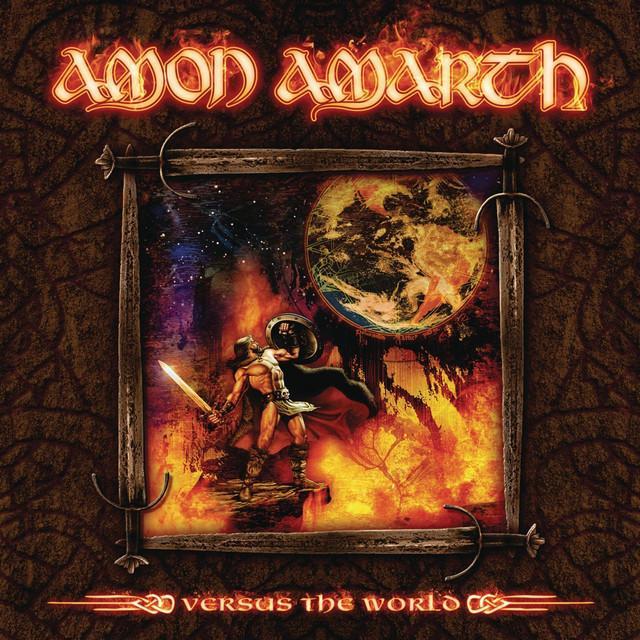
Bloodshed by Amon Amarth
The meaning of Bloodshed Amon Amarth starts with a simple but brutal idea: when a world falls into chaos, even family ties can break. The song tells a war story, but it is really about collapse, hatred, and the tragedy of people destroying their own bloodline.
"Bloodshed" - Amon Amarth
Hunger and disease
Fenris is set free again
Loading lyrics...
Unable to load lyrics
We're unable to display the lyrics at this time. Please try again later.
Amon Amarth are known for building songs from Norse myth, Viking history, and battle imagery. On their official band biography, they present that identity clearly. In “Bloodshed,” they use that myth-heavy style to frame a deeply human conflict: two brothers meet in war and kill each other, and nobody truly wins.
A World Already Falling Apart
Before the brothers face each other, the lyrics paint a ruined landscape. The opening lines describe cold, hate, hunger, disease, and the unleashing of Fenris. In Norse mythology, Fenrir is tied to the end-times chaos of Ragnarök, so this is not just a random monster reference. It signals that the moral order of the world is breaking down.
When the song mentions Fenris is set free
, it suggests a force that can no longer be controlled. The disaster is both physical and spiritual. Storms, famine, and violence spread together, which makes the battlefield feel like the result of a larger curse rather than one bad political fight.
That setting matters to the meaning of Bloodshed Amon Amarth because the brothers are not shown as isolated enemies. They are products of a world where kinship has failed. The lyric idea that family bonds no longer hold is one of the song’s most important themes.
Watch the official Bloodshed
music video
Brother Against Brother
The emotional center of the song is not the apocalypse image. It is the personal duel inside it. The track narrows from world-ending chaos to two men on a battlefield, then reveals they are brothers.
That twist turns a war anthem into a tragedy. The song says they share the blood of proud men, yet they now stand as enemies. One fights for truth, the other for faith. That contrast is brief, but it opens a larger idea: belief systems, loyalty, and sacred duty can divide people so deeply that family becomes secondary.
When the song repeats Two brothers meet
, it keeps the focus on that painful fact. This is not faceless combat. It is intimate and irreversible.
No victory and no defeat
Death is their only way
Those lines are the clearest summary of the song’s moral vision. The battle has gone past the point where anyone can claim honor, gain, or justice. In practical terms, both sides lose. In emotional terms, the feud empties war of meaning.
What the Chorus Really Means
The chorus is built around one repeated word: Bloodshed
. It works like a warning siren. Instead of offering detail, it reduces the story to its ugliest result.
That repetition matters because it strips away heroic fantasy. Amon Amarth often write about warriors and battle, but here the hook does not celebrate a clever tactic or a glorious triumph. It announces an age defined by violence.
Interpretation: the chorus can be heard as a statement about historical cycles. Once hate and revenge take over, bloodshed becomes the era’s language. The brothers are only one example of a wider social breakdown.
Faith, Truth, and Fatal Oaths
One of the strongest details in the verses is that the fighters are bound by sacred oaths. That means this is not just anger in the moment. Duty and belief hold them in place.
The phrase eyes are full of hate
shows the emotional state, but the lyrics also suggest structure behind that hate: vows, causes, and inherited loyalties. The song is sharp because it does not blame only emotion. It shows how systems of honor can push people toward disaster.
The line about one fighting for truth and the other for faith is especially interesting. It does not fully explain which side is right, and that ambiguity seems intentional. Amon Amarth leave space for listeners to notice how often wars are fueled by ideals that sound noble from the inside.
Interpretation: “truth” and “faith” may be less about religion versus reason than about two absolute convictions. If each brother believes his cause is sacred, compromise becomes impossible.
How the Music Carries the Story
The production helps sell the song’s meaning. Amon Amarth play melodic death metal, but they often balance aggression with clear, marching structure. According to the band’s Metal Blade profile, that mix of heaviness and melody is central to their sound.
In “Bloodshed,” the guitars drive forward like a charge into battle. The drums feel steady and martial, which gives the story weight rather than chaos alone. Johan Hegg’s vocal delivery is harsh and commanding, sounding less like a private confession and more like a witness calling out a doomed event.
That matters because the song is not written as a subtle inner monologue. It feels public, legendary, and carved in stone. The music makes the brothers’ fate seem unavoidable.
The Bigger Meaning Behind the Violence
At first glance, the track can seem like a simple Viking battle song. But its deeper power comes from grief. It is about civil conflict, broken kinship, and a culture so damaged that fathers, sons, and brothers turn on one another.
The ending does not offer rescue or learning. It just completes the tragedy. The brothers strike, both die, and the age of bloodshed continues. That lack of relief is the point.
For listeners searching for the meaning of Bloodshed Amon Amarth, the best reading is this: the song shows how war destroys identity from the inside out. First the world collapses, then values harden, then family bonds snap, and finally violence becomes normal.
Final Take
“Bloodshed” is powerful because it scales from myth to human pain. It starts with cosmic doom and ends with two brothers dead in the dirt. That arc gives the song both epic size and emotional weight.
Interpretation disclaimer: This article offers a close reading based on the lyrics, Amon Amarth’s known artistic themes, and the song’s musical style. Like most metal songs, it can support more than one interpretation.








