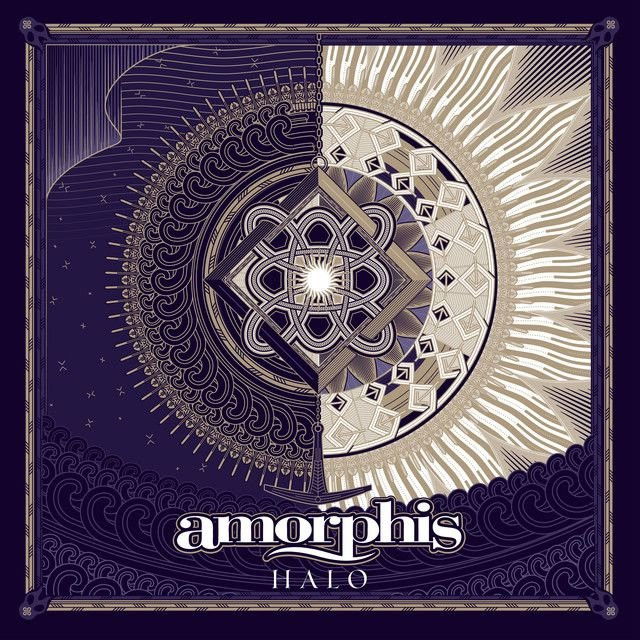
When The Gods Came by Amorphis
The meaning of When The Gods Came Amorphis starts with a simple but powerful idea: this is a song about origins. It imagines a time when divine beings arrived among early humans and gave them shape, purpose, and a way to live. On the surface, it sounds like a myth. Underneath, it also works as a story about culture, memory, and how people learn what it means to be human.
"When The Gods Came" - Amorphis
Swarming were they and a-stirring
Twisting upwards and a-swirling
Loading lyrics...
Unable to load lyrics
We're unable to display the lyrics at this time. Please try again later.
Amorphis often works in that space between folklore and philosophy. According to reporting on Halo, lyricist Pekka Kainulainen built the album around tales of the mythical North after the ice age, drawing from Kalevala-linked storytelling and the rebirth of culture in a new world (Loudwire). That context matters here, because this track feels less like a personal confession and more like a creation hymn.
A Myth of Human Becoming
The song opens with movement in nature, not with people. Creatures on the forest floor rise, twist, and gather force. Birds and insects appear alongside bears and winds. That imagery makes the world feel alive before human identity is fully formed.
Then the lyric turns toward revelation. The key repeated idea is that the gods are chanting us into being
. In plain terms, the song suggests that human life is spoken, sung, or called into existence. This is not just physical creation. It is spiritual and cultural creation too.
That is why the chorus matters so much. When the band says the gods told us how a man should be
, the point is not only rules or morality. The song is describing the passing down of a model for human life: values, awareness, skill, and place in the world.
Watch the official When The Gods Came
music video
Nature Is the First Teacher
One of the strongest parts of the meaning of When The Gods Came Amorphis is how deeply it links wisdom to nature. The gods do not teach from a throne room or temple. They guide people through animals, air, water, reflection, and stars.
The lyric phrase woodland spring
is especially important. The song says the gods lead the people there so they can see themselves. Paraphrased, this feels like a moment of awakening. Reflection is both literal and symbolic: they see their faces, but they also discover consciousness.
The same goes for the line about senses being tuned and abilities being fitted. The song presents human development almost like an initiation. People are not just born; they are prepared. They are taught how to hear, how to read signs, and how to move through the unknown.
The stars were our sure guides
Dreams showed us the way to go
This brief moment captures the song’s worldview. Guidance comes from above and within. The stars suggest order, while dreams suggest intuition. Together, they point to a culture that survives by reading both the outer world and the inner mind.
How the Verses Build the Story
The narrative unfolds in a clear sequence:
- The natural world stirs into motion.
- The gods arrive among the people.
- They teach identity and proper living.
- They awaken the senses and self-knowledge.
- They send the people forward into mystery.
That shape gives the song a ritual feel. Instead of a dramatic plot twist, it offers stages of becoming. The repeated references to the unknown make the lesson feel ongoing. Even after divine guidance, life is still a journey into distance, wonder, and uncertainty.
Sound and Production Strengthen the Meaning
Amorphis makes this message land by balancing grandeur with earthiness. Halo was described by guitarist Esa Holopainen as heavier, more progressive, and more organic, while vocalist Tomi Joutsen said it could also sound stripped down when needed (Loudwire). That combination fits this song’s meaning well.
The likely effect for listeners is a sense of ritual power rather than chaos. The band’s melodic death metal base gives the track weight, while keyboards and layered arrangements add a mythic glow. Since Santeri Kallio co-wrote the song, it makes sense to listen for how melody and atmosphere help shape the story. The music does not just accompany the words; it makes the arrival of the gods feel believable.
Interpretation: the heavier guitar tones can be heard as the force of ancient powers entering the world, while the more spacious melodic passages suggest revelation, wonder, and sacred instruction.
Two Strong Ways to Read It
The most direct reading is mythic. In that view, the song tells a legendary story about divine beings who teach humanity civilization. The phrase came the Gods to our people
works almost like a communal memory passed from generation to generation.
A second reading is more symbolic. Interpretation: the gods may stand for the birth of culture itself. They could represent language, tradition, instinct, or ancestral knowledge. In that reading, the song is really about how people learn who they are through stories, rituals, and contact with the natural world.
Both readings fit the album’s concept of a culture emerging in the far North after upheaval and change (Loudwire). The song is old-world in imagery, but modern in emotional meaning.
Why the Song Resonates
What makes this track memorable is its scale. It does not focus on one heartbreak or one event. It asks bigger questions: Where do values come from? How do people become fully human? What connects them to land, sky, and memory?
That is the heart of the meaning of When The Gods Came Amorphis. It is a song about being taught into existence. Through mythic language and nature symbols, Amorphis turns human development into something sacred, communal, and deeply tied to the world around us.
Final Thought
They make the song feel ancient without making it distant. Its gods may belong to folklore, but its deeper subject is still familiar: the search for identity, guidance, and a way to live.
Disclaimer: This interpretation blends verified album context with critical reading of the lyrics. As with most poetic songs, listeners may hear different meanings.








