Why 'Con Te Partirò' Still Moves Millions
The meaning of Con Te Partirò Andrea Bocelli is easy to feel even before a listener translates a word. The song turns love into a journey. It begins in loneliness, then opens into a vision of movement, light, and shared discovery.
"Con Te Partirò" - Andrea Bocelli
Sì, lo so che non c'è luce in una stanza quando manca il sole
Se non ci sei tu con me, con me
Loading lyrics...
Unable to load lyrics
We're unable to display the lyrics at this time. Please try again later.
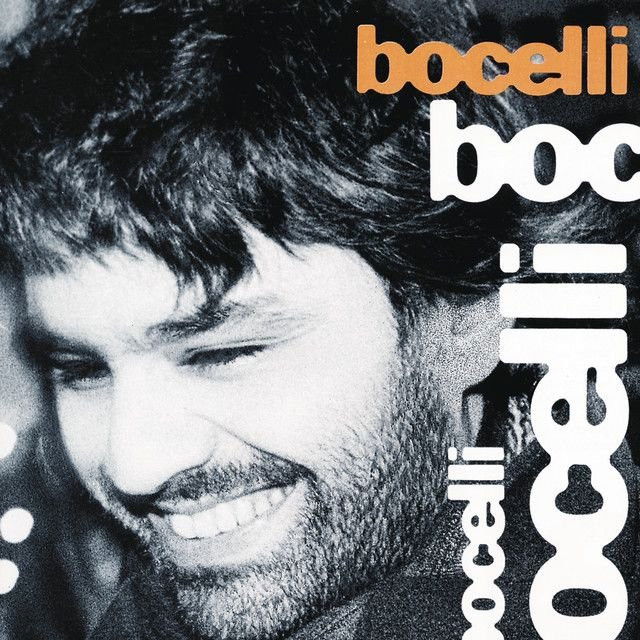
First performed by Andrea Bocelli at the 1995 Sanremo Music Festival and released on his album Bocelli, the song was written by Francesco Sartori and Lucio Quarantotto. It later became a global standard, with the adapted duet version "Time to Say Goodbye" selling more than 12 million copies worldwide, according to widely cited chart histories and release data.[1][2]
A Love Song That Thinks Like a Departure
At the heart of the song, the speaker is not simply saying they want romance. They are saying love changes the size of the world. In the opening, they describe being alone and looking toward the horizon, where words seem to fail. That image suggests emptiness, but also possibility.
Then the song introduces the beloved as the answer to that emptiness. A room without the sun becomes a simple way to say life feels dim without the other person. The key idea is not just missing someone. It is that this person gives shape, warmth, and direction to experience.
When the chorus arrives with Con te partirò
, the promise sounds larger than everyday travel. In English, it is closer to “with you I will depart.” The departure feels emotional and spiritual as much as physical.

Watch the official Con Te Partirò
music video
From Silence to Light
One of the song’s smartest moves is how it links speech, sight, and feeling. Early on, words are missing. Later, the beloved becomes both moon and sun, restoring light and presence.
Short phrases like mancan le parole
and tu mia luna
show that shift. First there is a loss of language; then there is a new source of meaning. The song suggests love can express what ordinary speech cannot.
Interpretation: This is why the lyrics feel grand without being complicated. They use basic images—sun, moon, horizon, sea—but each one marks a step away from isolation and toward connection.
What the Chorus Really Promises
The chorus imagines places never seen or lived before. That does not have to mean tourism in a literal sense. It sounds more like a new life made possible by intimacy.
The lines around paesi che non ho mai
and su navi per mari
create a dream geography. These are not practical directions on a map. They are romantic spaces, places of becoming.
There is also a striking detail: the seas the singer mentions seem to no longer exist. That hint of impossibility matters. The beloved does not just accompany the speaker into reality. They help create a reality that feels almost mythic.
Con te partirò
su navi per mari
che... non esistono più
Paraphrased, the singer imagines traveling together across impossible seas. That is the song’s emotional core: love revives worlds that seemed lost.
How Andrea Bocelli’s Performance Shapes the Meaning
Bocelli’s vocal style is a major reason the song became so durable. The melody rises in long, open lines that feel closer to aria than to a typical pop ballad. Yet the structure is direct enough for mainstream listeners.
That crossover quality helped define Bocelli’s appeal in the mid-1990s. The original recording is often described as operatic pop or classical crossover.[1] The arrangement supports that label: piano and strings begin with restraint, then the orchestra broadens the emotional field as the chorus expands.
This matters for interpretation. The production does not treat the lyrics as private diary notes. It makes them public, ceremonial, almost universal. By the final refrain, the song sounds less like one person confessing love and more like a grand vow.
Why the Song Traveled So Far
The song’s history also changes how many listeners hear it. The original Italian version became a major hit in countries including France, Belgium, and Switzerland.[1] Then the later duet adaptation with Sarah Brightman turned the melody into one of the biggest crossover singles of its era, boosted by a high-profile 1996 performance tied to boxer Henry Maske’s farewell match in Germany.[1]
That context helps explain why the song often feels linked to endings, ceremonies, and emotional transitions. Even so, the original lyric is not mainly about saying goodbye. It is more about going forward with someone.
Interpretation: This gap between title and feeling is part of the song’s power. “Departing” can sound sad, but here it feels hopeful. Leaving is not loss. It is transformation.
Two Strong Readings of the Lyrics
There are at least two convincing ways to hear the song:
- Romantic reading: The speaker tells a lover that together they can enter a fuller life.
- Spiritual reading: The song can also sound like a passage beyond the visible world, which is why some listeners connect it to grief, memory, or transcendence.
The text supports both, because it mixes absence with radiance. It begins in solitude and ends in union. Even io con te
lands with unusual finality, as if companionship itself is the destination.
Why Its Meaning Endures
The meaning of Con Te Partirò Andrea Bocelli lasts because it is both simple and expansive. The song says love can relight a dark room, restore speech, and make impossible journeys feel real. Its imagery is plain enough for anyone to grasp, but grand enough to carry weddings, farewells, concerts, and private moments of longing.
That balance is rare. Bocelli, Sartori, and Quarantotto created a song that feels personal and monumental at once.
Disclaimer: Song interpretation is never fully fixed. This reading separates documented facts from informed interpretation, and other listeners may hear different shades of meaning.







