Why "Dancing in the Minefields" Still Matters
The meaning of Dancing in the Minefields Andrew Peterson comes into focus quickly: this is a song about marriage as both risk and promise. Rather than pretend lasting love is easy, they present it as a choice made in joy, fear, faith, and stubborn loyalty.
"Dancing in the Minefields" - Andrew Peterson
The year we got engaged
And everyone said we were much too young
Loading lyrics...
Unable to load lyrics
We're unable to display the lyrics at this time. Please try again later.
Andrew Peterson is known in American Christian singer-songwriter circles for writing story-rich songs shaped by faith and ordinary life. This track appeared on Counting Stars, released in 2010, a fact noted by Peterson’s official discography and label materials. Even without outside context, the lyrics themselves make the song’s message clear: love is not safe, but it can still be good.
Marriage as Courage, Not Comfort
The opening verse starts with concrete memories: young ages, warnings from other people, and pawn-shop rings. Those details matter because they ground the song in real life, not abstract romance. The couple did not begin with perfect timing or approval. They simply chose each other anyway.
That setup leads to the song’s central image, dancing in the minefields
. Before and after that phrase, the lyric makes clear that marriage can feel dangerous, with hidden pressures and emotional landmines. But the verb matters just as much as the danger. They are not crawling through fear. They are dancing.
Interpretation: The song argues that mature love is not the absence of danger. It is the decision to move toward joy while knowing pain is possible.
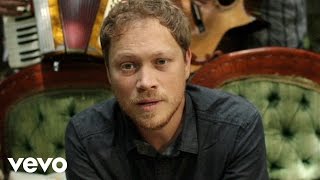
Watch the official Dancing in the Minefields
music video
The Promise at the Center
A key line in the chorus says it was harder than we dreamed
. That phrase strips away the myth that commitment automatically gets easier once vows are spoken. In this song, promises are not decorations for a wedding day. They are tools for survival.
That is why the repeated line about what the promise is for
lands so strongly. The vow matters most when feelings shake, routines wear people down, or life becomes chaotic. The song’s view of marriage is covenantal. In plain terms, it treats love as a binding promise that carries people through seasons they did not expect.
For listeners in the United States, where pop songs often frame romance as chemistry or self-expression, this stands out. Peterson offers a very different model: lasting love is built less on mood than on chosen faithfulness.
A Striking Twist on "I Do"
One of the smartest parts of the lyric is the line about I do
being famous last words. It sounds dark at first, but the point is not that marriage kills love. It is that marriage ends a certain kind of self-centered life.
The next ideas explain that change through sacrifice. The song says a person finds life by laying it down for another. That echoes Christian teaching about self-giving love and service. In the song’s logic, a good marriage asks both people to surrender pride, selfish habits, and the fantasy of total independence.
Interpretation: The lyric reframes commitment as a kind of death that leads to something better. What dies is isolation. What grows is shared life.
Faith Is Not a Side Note Here
This is not merely a love song with a few spiritual hints. The later verses openly mention the Son of Man
and God’s promises. That means the marriage described here is held inside a Christian worldview. The couple’s endurance does not come from sheer willpower alone. It comes from believing they are sustained by a promise larger than their own.
That section also broadens the song. Marriage is still the main subject, but the imagery of shadow, fear, and chaos suggests illness, grief, doubt, and the many pressures that strain long relationships. They are not just promising romance. They are promising presence.
How the Sound Supports the Message
The production helps explain the song’s meaning. Its acoustic, rootsy feel keeps the message intimate and human-scale, while the steady rhythm gives it forward motion. The music does not sound fragile, but it also does not sound flashy.
That balance matters. A huge dramatic arrangement might have made the song feel overstated. Instead, the warm instrumentation makes the commitment sound lived-in. When the chorus lifts, it feels less like escape and more like resolve.
Peterson’s vocal delivery also supports the lyric. He sings with conviction, but not with theatrical excess. That makes the message easier to trust. They sound like someone remembering vows in the middle of ordinary life, not selling a fantasy.
Why the Images Stay With People
Two recurring images carry most of the song’s emotional weight:
dancing in the minefields
suggests joy in dangersailing in the storms
suggests movement through troublekickin' down the doors
adds energy and defiance
Together, these metaphors reject passive love. This couple is not waiting for life to become simple. They are choosing action, closeness, and courage even when the path is unstable.
That may be why the song has endured for many listeners. It does not insult marriage by making it easy. It honors marriage by admitting the cost.
The Lasting Meaning of the Song
So what is the meaning of Dancing in the Minefields Andrew Peterson? At heart, it is a song about covenant love: risky, demanding, and deeply hopeful. It says promises are not most meaningful at the altar, but in the years after, when real life tests them.
Interpretation: The song’s deepest claim is that joy and danger are not opposites in marriage. Real love may contain both at once.
For many listeners, that honesty is the song’s power. It offers neither cynicism nor fantasy. It offers courage.
Disclaimer: This interpretation is based on the lyrics, musical presentation, and publicly known artist context. As with any song, listeners may hear meanings that differ from this reading.







