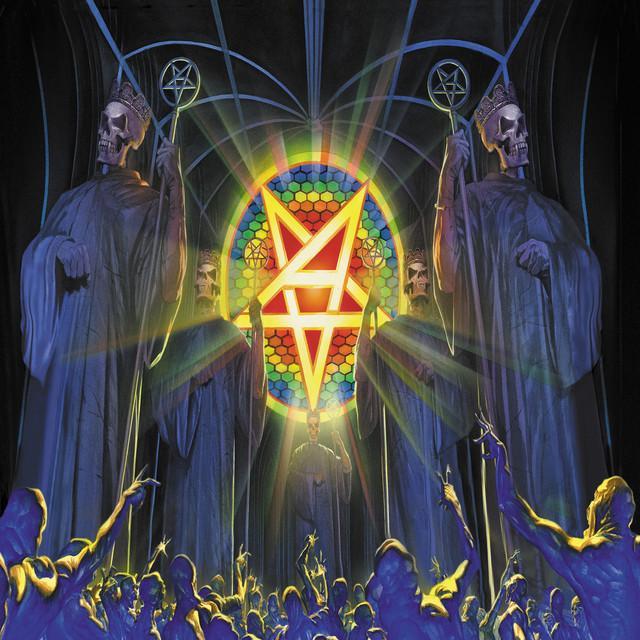
You Gotta Believe by Anthrax
The meaning of You Gotta Believe Anthrax comes down to one big idea: belief can be powerful, but it can also become dangerous when it turns into blind surrender. Anthrax wraps that message in brutal images, a commanding chorus, and a huge metal arrangement that makes the song feel less like a conversation and more like a demand.
"You Gotta Believe" - Anthrax
Or you can give me what I want
I'm gonna get it, get it either way
Loading lyrics...
Unable to load lyrics
We're unable to display the lyrics at this time. Please try again later.
Released on For All Kings in 2016, the song arrived during a strong late-career run for the band. That album was Anthrax’s 11th studio release and was produced by Jay Ruston. It also became the band’s first top-10 Billboard 200 album since Sound of White Noise, showing that they were still a major force decades into their career.
A Chorus That Sounds Like a Command
On the surface, the song sounds violent and confrontational. The speaker is threatening, obsessive, and eager to dominate. Phrases like you gotta believe
and I never fail
do not sound like encouragement. They sound like pressure.
That is what gives the song its tension. Belief here is not presented as something warm or hopeful. It is forced. The repeated hook feels like the voice of someone who wants obedience, not trust.
Interpretation: Anthrax seems to be showing how absolute conviction can cross a line. Once belief becomes control, it stops being spiritual or personal and becomes something harsher.
Watch the official You Gotta Believe
music video
Scott Ian’s Own Explanation Matters
There is an important piece of artist context here. In a 2016 interview with Rolling Stone, Scott Ian explained that the song is about blind faith and about anything a person might “sell your soul to.” He said being impaled
could mean religion, politics, drugs, crime, or even metal itself. In his own words, he saw it as being committed so fully to metal that he never looked back.
That statement helps ground the song. It confirms that the lyrics are not just random horror imagery. They are about total commitment, and the cost that can come with it.
So when the speaker says holding the nail
, the point is not just gore. The image suggests power over another person’s fate. It turns belief into something physical and inescapable.
Who Is Speaking in the Song?
The narrator does not sound like a hero. They sound like a fanatic, a punisher, or even a dark inner voice. Early on, the song frames the conflict as a choice between resistance and surrender, then pushes toward vengeance and domination.
That matters because the point of view changes the meaning. If the band were singing from their own everyday voice, the song might sound like simple aggression. But the exaggerated language suggests performance and character. Anthrax often uses extreme metal language to explore ideas through a dramatic speaker rather than a literal confession.
A Quick Narrative Map
The song unfolds in a clear way:
- The speaker opens with threat and pursuit.
- The chorus turns belief into submission.
- The second verse removes any sense of friendship or mercy.
- The later section expands the idea into a wider view of human corruption and damnation.
That final expansion is important. The song stops sounding like one personal feud and starts sounding like a statement about human nature itself.
The Main Symbols Inside the Lyrics
Several images carry the song’s meaning.
Impalement as surrender
The central word, impaled
, suggests being trapped, fixed in place, and offered up to something bigger. In Ian’s explanation, it means total devotion. That turns the song into a study of what happens when identity gets swallowed by a cause.
The body as something disposable
When the lyrics reduce a person to a bag of blood
, they strip away dignity and individuality. That is the language of dehumanization. It fits the song’s darker warning: fanatic belief often treats people as objects.
The “white whale” image
The reference to a white whale
points to obsession. Like Captain Ahab in Moby-Dick, the speaker is consumed by pursuit. This makes the song feel less like a sermon and more like an addiction to power, vengeance, or purpose.
How the Music Carries the Message
The production does a lot of storytelling here. Reviewers at PopMatters noted that “You Gotta Believe” begins with an orchestral arrangement before shifting into hard-driving metal. That opening matters because it gives the song a ceremonial feeling, almost like a dark procession, before the riffs take over.
Once the band hits full force, the music becomes muscular and relentless. The guitars lock into heavy thrash and groove patterns, while Joey Belladonna’s vocal moves between melody and command. The result is a song that sounds both theatrical and punishing.
That mix supports the lyric theme perfectly. The orchestral opening hints at grandeur, ritual, or ideology. The crushing main body feels like the force of that belief system bearing down.
Why It Fit For All Kings
For All Kings was a darker and more serious Anthrax album than some of their older, more playful material. Critics generally responded well, and the record earned a 70 score on Metacritic. The album also introduced Jon Donais on lead guitar, adding a sharpened melodic edge to the band’s sound.
Within that setting, “You Gotta Believe” works as a statement piece. It is aggressive, philosophical, and larger than life. It also connects to the album’s broader interest in power, self-rule, and what people choose to serve.
Final Take on the Song’s Meaning
The meaning of You Gotta Believe Anthrax is not simply “believe in yourself.” It is much darker than that. The song examines what belief looks like when it becomes obsession, coercion, and identity loss.
Interpretation: It can be heard two ways at once. On one level, it is a warning about blind faith in religion, politics, or any rigid system. On another, it is Anthrax admitting how deeply they themselves are committed to metal culture. That double meaning is what makes the song interesting.
In the end, “You Gotta Believe” is about the thin line between dedication and surrender. Its speaker demands faith, but the song invites listeners to ask a harder question: what, exactly, are they willing to give themselves to?
Disclaimer: This interpretation blends documented artist comments with close reading of the lyrics and sound. Song meaning can remain open to more than one valid reading.








