
¿Qué Nos Pasó? by Anuel Aa
A simple question drives the track’s drama: ¿qué nos pasó?
The narrator looks back at a love that burned hot, then spiraled into suspicion, shouting, and pride. The hook is sticky, but the story is messy by design—sex, ego, and fame collide until no one is sure how to fix things.
"¿Qué Nos Pasó?" - Anuel Aa
Do' ángele' y demonios tú y yo
Diabla, dime, ¿qué nos pasó?
Loading lyrics...
Unable to load lyrics
We're unable to display the lyrics at this time. Please try again later.
A Fractured Love at War With Itself
The core meaning of ¿Qué Nos Pasó? is a toxic loop. They are both attracted and exhausted, pulled by desire yet trapped in conflict. He frames the couple as ángeles y demonios tú y yo
, suggesting they bring out the best and worst in each other.
He knows the fights won’t end with intimacy. He even names the cycle—sexo en venganza
—as if passion is a weapon. Interpretation: the song shows how chemistry can keep two people together long after respect has worn thin.
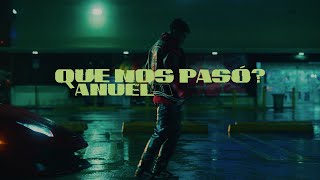
Watch the official ¿Qué Nos Pasó?
music video
Who’s Speaking, and To Whom?
The voice is first person, close to Anuel AA’s public persona: blunt, confessional, and defensive. He addresses a partner who thinks he’s lying and cheating. He insists he is in the studio, for work, while she imagines the worst.
He also admits he’s volatile—yo soy fuego
—and that anyone near him might get burned. Interpretation: the “fire” is talent and temper at once. The motto “Real Hasta La Muerte” hangs over the song: brutal honesty, even when it hurts.
The Storyline in Snapshots
- He’s relaxing with friends when a text arrives; she’s tired of his habits and priorities.
- He hides a gun in another room, afraid the argument could turn dangerous. That image signals how tense their home has become.
- There’s secrecy and late-night movement—
otra noche en Miami
—with masks, black clothes, and no explanations. Fame and paranoia color the night. - She accuses; he counters with big promises: marriage, a mansion, more success. He claims time will prove him right.
- Their private chaos becomes public. Neighbors hear
los gritos en la casa
. The home turns into a stage for conflict.
The Hook’s Confession, Decoded
The refrain keeps asking what went wrong and answers with behavior: they fight, then seek release through intimacy. Interpretation: the chorus is not a solution; it’s a mirror. It shows desire mutating into score-settling. The bigger the argument, the bigger the make-up scene—until nothing is fixed and trust is even thinner.
Symbols and Motifs That Matter
- Fire: He says
yo soy fuego
. Fire equals drive, ego, rage, and risk. - Miami nights:
otra noche en Miami
stands for nightlife, speed, and secrecy. - Neighbors and noise:
los gritos en la casa
makes their private war public. - Studio grind: Work is both excuse and reality. It blurs with temptation.
- Smoke/weed: A coping mechanism that also blocks intimacy and attention.
- Weapons: Hiding the gun shows fear of escalation and a lack of safety.
- Duality:
ángeles y demonios tú y yo
is the moral split inside both partners.
How the Sound Carries the Pain
The production rides a minor-key, mid-tempo trap/reggaetón groove. Subby 808s, sparse percussion, and airy pads leave space for his voice. Auto-Tuned melodies bend between rapped lines and sung pleas, letting him harden a bar and soften the next.
Short, percussive phrases mimic the rhythm of a fight—cutoffs, sighs, ad-libs. When he stacks vocals, it feels like the inner argument growing louder. Interpretation: the mix keeps tension unresolved, because the relationship is unresolved.
Alternate Readings and the Persona Game
Interpretation 1: Confession. He knows the relationship is breaking and is begging for time to prove he can change. The promises of marriage and success are sincere, just poorly timed.
Interpretation 2: Performance. The song plays up toxicity as part of the Anuel AA myth—danger, desire, late nights, and big vows. In this lens, the chorus is another badge of chaos, not a cry for help.
Both readings fit a narrator who wants control and closeness at once. That contradiction is the point.
Takeaway: Love Can’t Live on Apologies Alone
The meaning of ¿Qué Nos Pasó? Anuel Aa comes down to this: passion without trust turns love into a scoreboard. They keep asking ¿qué nos pasó?
because neither will give up pride. Until accountability replaces revenge, the fire only burns what’s left.
Disclaimer: Song meaning is interpretive. Listeners may reasonably read the lyrics in other ways.







