Why “Boom Shack-A-Lak” Still Moves Crowds
The meaning of Boom Shack-A-Lak Apache Indian starts with a simple truth: this is a party song that treats dancing like community. Apache Indian does not build a complicated plot here. Instead, they create a chant-like celebration of movement, style, and crowd energy.
"Boom Shack-A-Lak" - Apache Indian
Wine your body
Wriggle your belly
Loading lyrics...
Unable to load lyrics
We're unable to display the lyrics at this time. Please try again later.
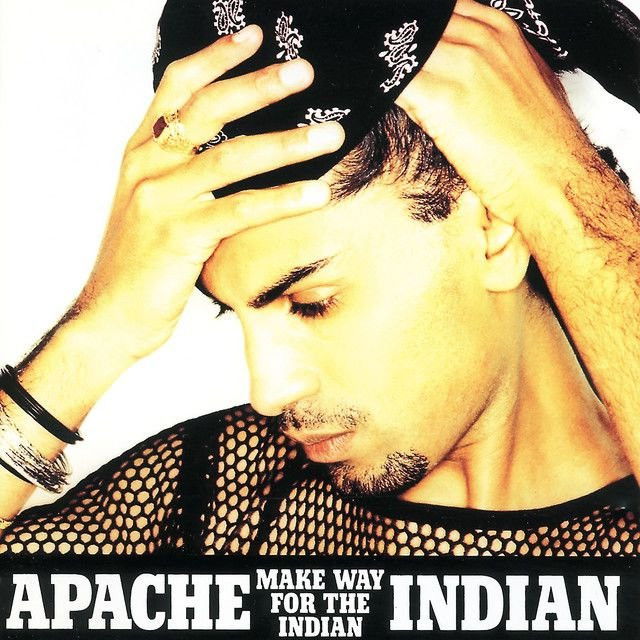
Released in 1993, the single became Apache Indian’s biggest UK hit, reaching No. 5 on the UK Singles Chart and appearing on the Nuff Vibes EP and later Make Way for the Indian (Wikipedia). That success matters because it shows how a dancehall-rooted track crossed into pop without losing its identity.
A Dance Song With a Bigger Social Pulse
On the surface, the lyrics are about how to move. The chorus calls people to the floor with phrases like wine your body
and dip and go down
. Paraphrased, the song is giving dance instructions, but it is also doing more than that. It turns movement into belonging.
The repeated focus on bodies in motion suggests freedom, confidence, and release. They are not presenting dance as something private or shy. They frame it as public, joyful, and shared.
Interpretation: The song’s deeper point is that style creates identity. To do the dance is to join the moment. That is why the hook feels less like description and more like an invitation.

Watch the official Boom Shack-A-Lak
music video
How the Chorus Sells a “Brand New Style”
One of the smartest parts of the song is how it markets its own vibe. Apache Indian calls it a brand new style
, making the track feel like both a song and a trend. Even if listeners do not know every word of the patois, they understand the message: something exciting is happening, and everyone is welcome to join.
That matters in the meaning of Boom Shack-A-Lak Apache Indian because the title phrase works almost like percussion. “Boom Shack-A-Lak” sounds like a beat, a dance move, and a slogan all at once. It is memorable because it turns rhythm into language.
Put yours hands in a the air
everybody everywhere
This brief moment captures the song’s mission. It shifts from individual dancing to mass participation. The party gets bigger as the record goes on.
The Lyrics Build a World of Inclusion
A key verse lists women from different places, including England, America, India, Jamaica, Japan, and Germany. Paraphrased, Apache Indian is saying the dance belongs to everyone. That is one reason the record traveled so well internationally.
This global roll call fits Apache Indian’s own identity. They are a British artist of Indian heritage who became known for blending reggae, ragga, and South Asian influences in distinctive ways (Encyclopaedia Britannica). In this song, though, the emphasis is less on political commentary and more on a cross-cultural dance floor.
Interpretation: The international references suggest that rhythm can cut across nationality. Instead of making difference disappear, the song places different identities inside the same celebration.
Attraction, Performance, and the Dancehall Gaze
Some lines focus on watching dancers and admiring how they move. Phrases such as move fe your waist
and the gal say she mine
place flirtation at the center of the party scene. That reflects familiar dancehall themes: style, bodily skill, confidence, and social display.
At the same time, the tone stays light and playful rather than confessional. The song is less interested in romance than in performance. People are seen through how they dance.
That is an important distinction. The lyrics do not develop emotional intimacy. They build excitement by turning the dance floor into a stage where charisma matters.
Why the Sound Is the Meaning
Production is crucial here. The record blends pop structure with dancehall energy, giving Apache Indian’s ragga delivery a beat that feels bouncy, bright, and easy to chant along with. It was produced by Wooligan and released by Island Records (Wikipedia).
Critics at the time noticed that blend. Billboard’s Larry Flick called it a “wacky blend” of toasting and retro-pop beats, while NME praised its jovial bounce, according to the song’s documented reception (Wikipedia). Those reactions help explain why the song worked: it was rooted in dancehall but packaged with a strong pop hook.
The beat is not subtle. It pushes listeners forward. The repetition, vocal commands, and sound effects make the track feel like a live party in miniature. In other words, the production does not merely support the lyrics; it completes them.
Why It Landed in the 1990s
The early 1990s were full of crossover moments where reggae, dancehall, hip-hop, and pop met in new ways. “Boom Shack-A-Lak” fit that climate perfectly. It reached the top 10 in the UK, Ireland, and the Netherlands, and later earned a Silver certification in the UK for 200,000 shipments (Wikipedia).
For U.S. listeners, that history matters because it shows why the song still sounds familiar even outside its original chart setting. It helped mainstream audiences hear dancehall textures in a fun, radio-ready format.
Final Take on the Song’s Meaning
So what is the meaning of Boom Shack-A-Lak Apache Indian? At its core, the song is about dancing as social power. It celebrates motion, attraction, and crowd unity, while presenting style as something contagious and communal.
Interpretation: Beneath its playful surface, the song argues that music can create instant belonging. If someone catches the rhythm, they are already part of the world the song imagines.
That is why “Boom Shack-A-Lak” lasts. It does not ask listeners to solve it. It asks them to join it.
Disclaimer: This interpretation combines documented facts about the song with reasoned reading of its lyrics, sound, and cultural context. Meaning can vary from listener to listener.








