What 'Don't Wake Me' by Aranda Is Really Saying
The meaning of Don't Wake Me Aranda comes down to emotional shutdown. The song sounds urgent and physical, but its real subject is inner collapse: people pushed so far that numbness starts to feel safer than facing life head-on.
"Don't Wake Me" - Aranda
And he just got paid
His soul turns from blue to black, turning down the pain
Loading lyrics...
Unable to load lyrics
We're unable to display the lyrics at this time. Please try again later.
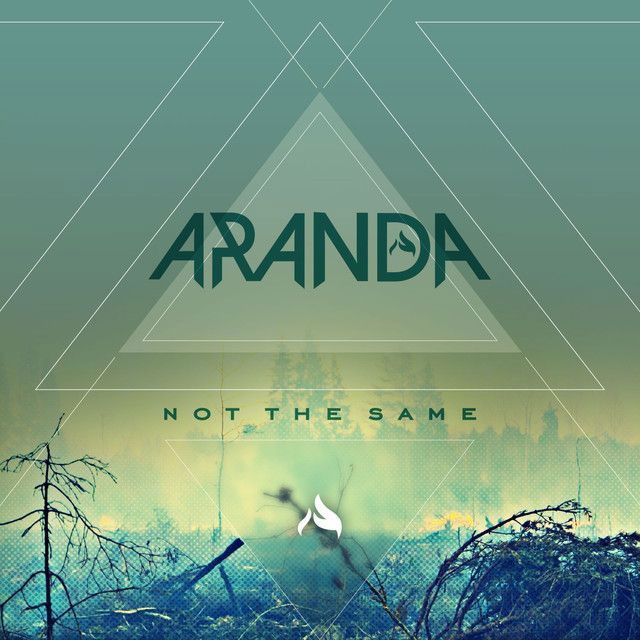
Aranda, led by brothers Gabe and Dameon Aranda, introduced the track ahead of their 2015 album Not the Same. In a 2015 Loudwire Nights interview, Gabe Aranda said the band wanted that album to be more eclectic and to reconnect with their roots while working with producer Kato. He also explained that the brothers sometimes write from each other's perspectives, which matters here because the song moves through male, female, and finally personal viewpoints. That detail helps explain why the song feels broad, almost like a set of linked portraits rather than one simple diary entry.
The Song Turns Panic Into Emptiness
On the surface, the lyrics describe people on the brink. The repeated image three seconds from a heart attack
does not need to be read only as a medical event. In context, it suggests panic, overload, or a mind stretched to its limit.
What makes the writing effective is that Aranda pairs that crisis with detachment. The characters are not only afraid; they are fading out. When the song describes a soul turning from blue to black
, it compresses sadness into something darker and more final. Blue suggests pain. Black suggests numbness, burnout, or emotional death.
Interpretation: the song is less about one dramatic moment than about what happens after repeated hurt. Instead of exploding, the speakers go blank.

Watch the official Don't Wake Me
music video
Three Voices, One Shared Breakdown
One of the most interesting things in the song is its structure. First there is a “he,” then a “she,” and then an “I.” That progression widens the message before making it personal.
The first verse: a man in self-erasure
The opening character has money in hand, but the payment changes nothing. That detail matters because it hints at a hollow reward system. He gets what should feel like relief, yet he still falls apart. The line about resistance being over suggests surrender.
He is not victorious or healed. He is just done.
The second verse: a woman trapped in return
The woman in the next verse has tried to escape before. The song says she swore she would never go back, but now the light is dimming again. That gives her section a cycle of relapse, whether emotional, relational, or even addictive.
Aranda keeps the wording broad, which makes the song relatable. Listeners can hear a toxic relationship, depression, self-destructive habits, or simple exhaustion from modern life.
The final verse: the mask drops
By the time the song reaches I'm three seconds
, the distance is gone. The earlier stories now feel like mirrors. The singer is not just observing suffering in others; they are inside it too.
That shift gives the song its emotional punch. What seemed like social commentary becomes confession.
Why the Chorus Feels So Chilling
The chorus centers on drowning in emptiness, with a soul screaming softly
. That phrase is one of the song's best contradictions. A scream should be loud, but here it is muted, barely able to break through.
That is the key to the whole track. The pain is severe, yet the reaction is subdued. Instead of asking for rescue, the narrator says Don't wake me
. In plain language, they would rather stay emotionally asleep than return to whatever caused the pain.
This day soon I will forget
Don't wake me
Those lines suggest chosen oblivion. Forgetting becomes a coping method. Sleep, dream, blackout, denial, and numbness all blur together.
Interpretation: the hook is not peaceful. It sounds like surrender dressed up as rest.
Symbols That Carry the Meaning
Several images repeat and connect the song's themes:
- Heart attack: not just fear, but a body reacting to mental strain.
- Blue to black: sadness deepening into emotional shutdown.
- Drowning: being surrounded by feeling but unable to move.
- Dim light: hope fading, clarity disappearing.
- Sleep/waking: avoidance versus painful awareness.
These motifs make the song feel cinematic. Aranda does not explain every cause. Instead, they show symptoms: panic, darkness, emptiness, forgetfulness. That choice keeps the song open-ended but emotionally clear.
How the Rock Sound Sharpens the Lyrics
Musically, "Don't Wake Me" uses modern hard rock force to underline inner distress. The guitars hit hard, the rhythm section drives forward, and the vocal delivery balances grit with melody. That combination matters because the song is not pure rage. It is heavy, but also wounded.
That fits what Gabe Aranda told Loudwire about Not the Same: producer Kato encouraged simpler, memorable riffs and helped the band lean into classic-rock influence while still sounding like themselves. In "Don't Wake Me," the result is a song that feels direct rather than overly ornate. The hook lands fast, and the repetition mirrors obsessive thought.
The production also supports the lyric theme. Tight, compressed rock sonics can make a song feel trapped, as if the walls are closing in. Here, that pressure works in the song's favor.
A Few Strong Readings of the Track
There is more than one fair way to hear the meaning of Don't Wake Me Aranda:
- Mental health reading: It portrays panic, depression, and numbness.
- Addiction reading: The wish to forget and not be awakened can sound like relapse or escape through substances.
- Toxic relationship reading: The male and female verses suggest recurring damage and failed attempts to break free.
All three readings have support in the lyrics. The song's strength is that it never locks itself into only one.
Why the Song Still Connects
Aranda makes intense feelings simple to recognize. They do not hide the song's pain behind abstract poetry, but they also avoid overexplaining it. That balance helps the track connect with listeners who know what it feels like to keep functioning while internally shutting down.
In the end, the meaning of Don't Wake Me Aranda is about the dangerous comfort of emotional sleep. The song understands why someone would want to disappear into numbness, even as it shows how sad that choice really is.
Disclaimer: This interpretation is based on the lyrics, song structure, and available artist comments. Like any song, listeners may hear different meanings in it.








