Why Aretha’s ‘Preacher Man’ Still Pulls People In
The meaning of Son of a Preacher Man Aretha Franklin starts with a simple story and a sharp contrast. The song remembers a young romance that grows in the shadow of church life. Its power comes from how it mixes innocence, temptation, and memory without hiding what the narrator felt.
"Son of a Preacher Man" - Aretha Franklin
And when his daddy would visit he'd come along
When they gathered around the parlour talkin'
Loading lyrics...
Unable to load lyrics
We're unable to display the lyrics at this time. Please try again later.
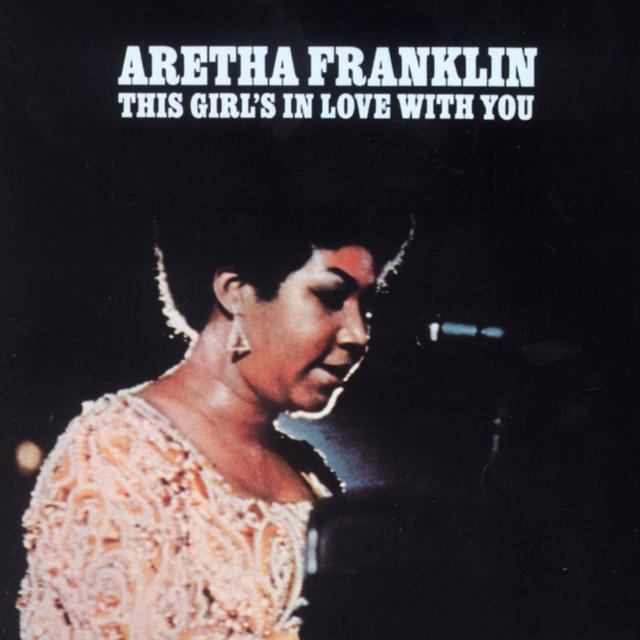
Although Dusty Springfield made the song a major hit in 1968, it was written by John Hurley and Ronnie Wilkins and was widely reported to have been conceived with Aretha Franklin in mind. Aretha recorded her version in 1969 for This Girl's in Love with You. That history matters because her voice brings the song even closer to gospel, soul, and the moral tension already inside the lyric.
A Love Story Told Through Contrast
At its core, the song is about a young woman looking back on the one boy who truly changed her. The setting is important: adults gather, a preacher is nearby, and the romance happens just outside that respectable world. The lyric phrase son of a preacher man
is not just a detail. It creates the whole tension of the song.
On one side, there is religion, family, and the expectation of being good. On the other, there is secrecy, flirtation, and desire. When the narrator recalls trying to behave but getting pulled in anyway, the song turns from a sweet memory into a story about sexual awakening.
Interpretation: The song is less about rebellion for its own sake than about surprise. The narrator seems struck that the person who awakened these feelings came from the very household that should symbolize moral order.

Watch the official Son of a Preacher Man
music video
How the Story Moves
The verses unfold like snapshots from memory. First, the preacher’s son arrives with his father. Then private moments begin during public visits. A phrase like take me walkin'
suggests the romance starts in small escapes from the room where everyone else is talking.
From there, the song deepens its emotional stakes:
- They slip away from the adults.
- He charms her with confidence and attention.
- She remembers the thrill and the risk.
- The chorus reveals he was the one who truly changed her.
That last point is the emotional center. The hook uses phrases like could ever reach me
and could ever teach me
to suggest more than a crush. It implies emotional access, first intimacy, and a life lesson wrapped into one memory.
Bein' good isn't always easy
No matter how hard I try
This is the article’s one brief multi-line quote because it captures the conflict plainly. Before and after it, the song shows someone who knows the rules but remembers how desire overpowered restraint.
What the Chorus Really Means
The chorus sounds catchy, but its wording is loaded. To say he was the only one who could reach her means he broke through emotional distance. To say he could teach her suggests initiation into romance, attraction, or adulthood.
Interpretation: “Teach” does not have to mean one narrow thing, but the song strongly points toward first sensual experience. That is why many listeners hear it as a story of awakening rather than just puppy love. Commentators often describe the lyric as straightforward about an emotional and sexual connection, not especially hidden or coded.
The repeated hallelujah
adds another layer. It sounds churchy, but here it also feels playful and ecstatic. Sacred language gets redirected into the language of desire.
Why Aretha Franklin Changes the Feel
Aretha did not write the song, and her version was not the first famous recording. Still, her musical identity changes how people hear it. As a singer rooted in gospel and soul, she brings extra weight to the song’s religious imagery and inner conflict.
That makes the meaning of Son of a Preacher Man Aretha Franklin slightly different from Dusty Springfield’s better-known version. Dusty’s hit recording, produced by Jerry Wexler, Arif Mardin, and Tom Dowd, is famous for its Memphis soul feel and backing from The Sweet Inspirations. Aretha’s interpretation leans even more naturally into the push and pull between sanctified sound and earthy feeling.
When Aretha sings a line like everything is all right
, it lands with warmth but also with irony. The phrase sounds reassuring, yet listeners know the relationship lives in a gray area between innocence and temptation.
Sound, Mood, and the Song’s Lasting Power
Musically, the song works because it never overstates its drama. The groove is relaxed, the melody is inviting, and the soul arrangement gives the memory a soft glow instead of turning it harsh. That balance lets the lyric stay suggestive without becoming heavy-handed.
The mood is nostalgic, intimate, and a little mischievous. Even when the narrator remembers sneaking around, the tone is not tragic. It feels like they are revisiting a formative moment with a mix of fondness and wonder.
That emotional clarity helps explain the song’s long life in American culture. Dusty Springfield’s version reached the Top 10 in both the U.S. and the U.K., and the song gained another wave of attention after its use in Pulp Fiction. Aretha’s version keeps the song alive from another angle, showing how strong the writing is when placed in a different soul voice.
A Final Reading of Its Meaning
In the end, this song is about the collision of morality and desire, remembered through first love. The preacher’s son is not just a person. He is the perfect symbol of temptation arriving in a respectable form.
That is why the song still connects. It understands that people often remember the relationships that taught them who they were becoming.
Disclaimer: This interpretation is based on the lyrics, recording history, and common critical readings. As with most songs, listeners may hear different meanings in the same lines.







