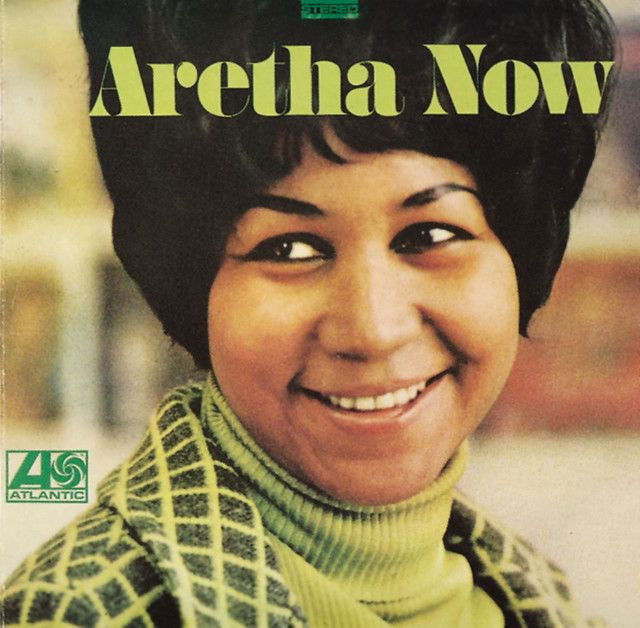
Why Aretha's 'You Send Me' Still Glows
The meaning of You Send Me Aretha Franklin starts with a simple idea: love can feel both innocent and overwhelming. In Aretha Franklin's hands, this classic does not sound complicated, but that is part of its power. They present romance as a feeling so strong that ordinary speech almost fails, so the song falls back on repetition, warmth, and voice.
"You Send Me" - Aretha Franklin
Darling, you send me
Darling, you send me
Loading lyrics...
Unable to load lyrics
We're unable to display the lyrics at this time. Please try again later.
Factually, the song was written by Sam Cooke and first became a major hit in 1957, reaching No. 1 on both the Billboard pop and R&B charts, with Cooke's version later honored by the Grammy Hall of Fame and the Rock & Roll Hall of Fame. Aretha Franklin recorded her version in 1968, and it also charted on both the R&B and Hot 100 rankings. Those broad facts are well established in reference sources on the song's history.
A Love Song That Grows Up Fast
At its core, the song traces a clear emotional path. The speaker begins stunned by attraction, then realizes the feeling has lasted. By the middle, what looked like a passing rush becomes a desire for a real future together.
That shift matters. Early lines circle around the thrill of being emotionally shaken, using phrases like you send me
and you thrill me
. Those phrases are plain, but they show a person who feels deeply moved by another's presence.
Then the song gets more serious. It says the relationship first seemed like infatuation
, but time proves otherwise. The most important turn comes when the speaker wants something lasting, even asking to be taken home and married. In other words, this is not just about chemistry. It is about love becoming commitment.

Watch the official You Send Me
music video
How Aretha Changes the Feeling
Aretha Franklin did not write the song, but they reshape its emotional texture through performance. Sam Cooke's original is famously smooth and tender. Aretha's reading adds more vocal lift, playful turns, and a stronger church-rooted soul feeling.
That matters for interpretation. Interpretation: where Cooke often sounds softly astonished, Aretha can sound both thrilled and in control. Their voice stretches the emotion, making the song feel less like a private confession and more like a living, breathing exchange between desire and delight.
When they lean into exclamations and little bursts of energy, the song becomes more than a polite love standard. It starts to feel flirtatious, embodied, and joyful. Even a phrase like you move me
gains extra force because the delivery suggests motion, not just thought.
The Story Hidden Inside the Repetition
The lyric is short, but it still tells a story. One useful way to hear it is in three beats:
- Attraction hits hard.
- Time tests the feeling.
- Desire turns into devotion.
The repeated hook is the glue. Every return to honest you do
sounds like reassurance, as if the speaker is trying to convince both the listener and themselves that this love is real. Repetition in soul music often works that way: it turns a basic statement into emotional proof.
At first, thought it was infatuation
It lasted so long
Those two short lines contain the song's real argument. Love is not validated by intensity alone. It is validated by endurance.
Sound, Style, and Soul Meaning
Musically, the song lives in the R&B and soul tradition, and that style is central to its meaning. The melody is easy to remember, which lets the singer focus on tone and phrasing rather than dense storytelling. A gentle groove, supportive backing, and space around the lead vocal help the emotion land clearly.
In versions of this song, the arrangement usually avoids clutter. That simplicity serves the lyric. Instead of distracting details, the music leaves room for the singer's voice to carry the message: love can make a person feel suspended between calm and excitement.
With Aretha Franklin, that balance becomes especially vivid. Their performance can move from softness to near-shout in a flash. That dynamic range mirrors the song's central tension. The speaker is deeply sure of their feelings, yet still overwhelmed by them.
Why the Song Endures
Part of the song's staying power comes from how universal it is. Almost anyone understands the feeling of being surprised by love. The lyric does not depend on heavy imagery or complicated metaphors. Instead, it uses direct emotional language and trusts the singer to make it memorable.
The history also helps explain its durability. Sam Cooke's original was a landmark popular and crossover hit, and Aretha's later version connects the song to another giant figure in soul music. That means listeners hear not just a love song, but a conversation across generations of Black popular music.
Interpretation: Aretha's version can also be heard as a celebration of surrender without weakness. The singer admits being overtaken, but not diminished. They are strong enough to name what they feel plainly.
The Bottom Line on the Meaning
So, what is the meaning of You Send Me Aretha Franklin? It is a song about love that begins as emotional shock and matures into a desire for permanence. Its message is simple, but its emotional effect is rich because the repetition, soul phrasing, and vocal warmth keep deepening that message.
Aretha Franklin's version reminds listeners that great love songs do not always need many words. Sometimes a few honest ones, sung with total conviction, are enough.
Disclaimer: This interpretation separates established song history from critical reading. Meaning in music can vary by listener, and some elements above are informed interpretation rather than confirmed artist intent.









