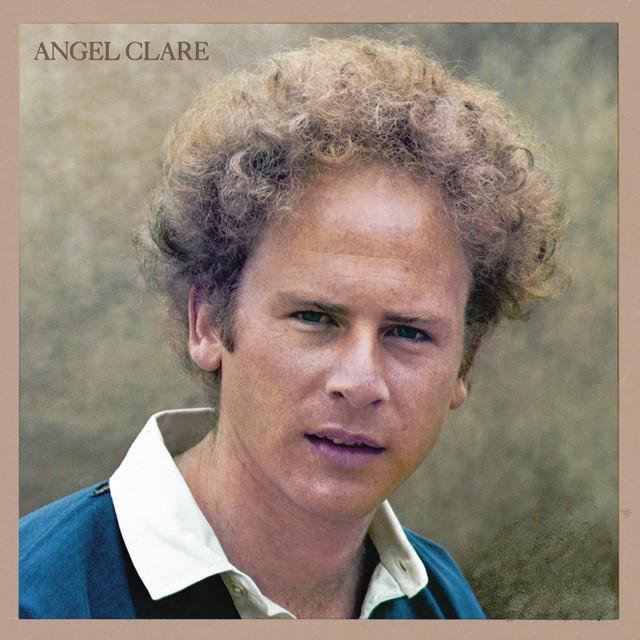
Why 'All I Know' Still Hurts So Deeply
The meaning of All I Know Art Garfunkel comes down to a simple but painful idea: love can feel completely real even when it is fragile, unequal, or close to ending. Jimmy Webb wrote the song, and Art Garfunkel turned it into a soft, elegant hit that made heartbreak sound almost holy.
"All I Know" - Art Garfunkel
You bruise me
We both bruise too easily
Loading lyrics...
Unable to load lyrics
We're unable to display the lyrics at this time. Please try again later.
First recorded by Garfunkel for Angel Clare in 1973, the song became his best-known solo hit, reaching No. 9 on the Billboard Hot 100 and No. 1 on the Adult Contemporary chart for four weeks, according to the research source provided from Wikipedia. That success matters because listeners clearly heard something honest in it: not a fantasy of perfect love, but a confession from someone who only knows how deeply they feel.
A love song about damage, not perfection
Right away, the lyric presents a relationship where both people get hurt. The opening idea, summed up in bruise too easily
, is not just about arguments. It suggests emotional thin skin, the kind of bond where every word lands hard because the love is serious.
That is what makes the song feel mature. It does not pretend love is safe. Instead, it admits that closeness creates risk.
Interpretation: The speaker sounds less like someone celebrating romance and more like someone standing inside its cost. They are not saying the relationship is healthy in every way. They are saying it matters so much that even small wounds become lasting ones.
Watch the official All I Know
music video
The chorus turns confusion into one clear truth
The hook centers on the phrase that's all I know
. Before and after it, the verses describe broken plans, dependence, and the fear of endings. The chorus does not solve those problems.
Instead, it narrows everything down to one emotional fact. The speaker may not understand what will happen next, but they know they love this person. That makes the refrain moving because it sounds both strong and helpless at the same time.
Why that repeated line matters
In plain terms, the song says: life is uncertain, relationships can fail, but the feeling itself remains undeniable. That is why the refrain lands so hard. It is not a victory cry. It is closer to surrender.
Broken plans and emotional dependence
One of the song’s key verses talks about hopes that have collapsed and dreams that now rely on another person. The short phrase all my plans
points to more than everyday disappointment. It suggests a future built around love.
That is where the song becomes uneasy. Love here is not only affection; it is dependence. The speaker seems to admit that their future has become tied to someone else’s willingness to stay.
Interpretation: Some listeners may hear this as romantic devotion. Others may hear it as a warning sign, because the speaker has placed too much of their identity in the relationship. The song allows both readings, and that complexity is part of its power.
The middle section opens a window of hope
The most famous shift in the lyric comes with the image of darkness and the dawn
. For a moment, the song looks beyond pain and suggests that despair may not be final.
When the singer's gone
Let the song go on
These lines broaden the song’s meaning. They imply that something can outlast the person speaking, whether that is love, memory, art, or emotional truth itself.
Interpretation: This section can be heard in two ways:
- as a message of hope after heartbreak
- as an artist’s belief that songs preserve feelings after a relationship ends
Either way, the song briefly lifts its eyes from private sorrow to something larger.
Why the ending feels so devastating
After that hopeful turn, the lyric returns to time and loss. The phrase endings always come too fast
captures one of the song’s deepest insights. Even when people know a relationship may not last, the ending still feels sudden.
Then comes the painful contradiction: endings arrive quickly, but once they happen, they seem to move slowly. Grief stretches time. That simple observation gives the song much of its emotional realism.
This is where Webb’s writing stands out. Research from American Songwriter says the song grew from a failed attempt to win over Rosemarie Frankland, which fits the lyric’s mix of longing and resignation. It does not sound invented. It sounds lived in.
How Garfunkel’s performance shapes the song’s meaning
The arrangement is a huge part of why this song lasts. The Garfunkel recording opens with solo piano and returns to piano figures as the track fades, while the full orchestral setting rises around it, according to the provided research summary from Wikipedia.
That structure mirrors the lyric beautifully. The piano feels intimate, almost like private thought. The swelling orchestration turns that private feeling into something public and cinematic.
Garfunkel’s voice is just as important. Webb praised his precision and emotional control in comments quoted by Ultimate Classic Rock. Whether or not one agrees with every detail in Webb’s recollections, that description fits the performance. Garfunkel sings with clarity rather than rawness, which makes the pain feel dignified instead of messy.
Why the song still resonates
The meaning of All I Know Art Garfunkel still connects because it refuses easy comfort. It says love can be true without being secure. It says devotion can survive confusion. And it says people often understand their feelings long before they understand their future.
That honesty is why the song has endured beyond its 1973 chart run and has been covered by many artists. It gives listeners a language for the moment when love remains, even after certainty is gone.
Final thought
In the end, "All I Know" is not just about romance. It is about the frightening gap between what people feel and what they can control. Its beauty comes from how gently it admits that gap.
Disclaimer: This interpretation is based on the song’s lyrics, recording context, and documented background. As with any art, listeners may hear different meanings in it.








