Why 'Kung Fu' by Ash Feels Like Teen Fandom
The meaning of Kung Fu Ash becomes clearer once they stop treating it like a serious narrative. This 1995 single is less a story than a sugar-rush of references, crushes, jokes, and movie obsession. In just over two minutes, Ash turn martial-arts fandom into a punk-pop cartoon.
"Kung Fu" - Ash
I haven't been the same since my teenage lobotomy
Full on, I moved to Hong Kong
Loading lyrics...
Unable to load lyrics
We're unable to display the lyrics at this time. Please try again later.
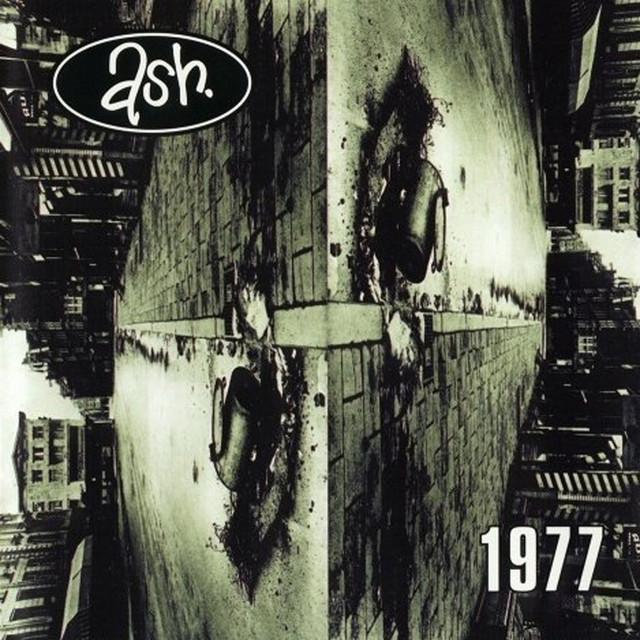
Factually, "Kung Fu" was released in March 1995 as a single from 1977, written by Tim Wheeler and produced by Owen Morris. It was famously written very quickly and recorded fast too, which fits the song's reckless energy. Research sources note that Wheeler wrote it at Belfast International Airport and that Ash recorded it in one take the next day.
The Real Hook Is Obsession, Not Combat
At its core, the song is about being overwhelmed by something they love. The title line, Kung Fu do what you do to me
, frames martial arts as a force acting on the speaker's brain and emotions. That matters because the song never sounds like a calm review of old movies. It sounds like fandom taking over.
The speaker piles up names, places, and scenes so fast that the verses feel like a daydream. They are not carefully separating real life from movie fantasy. Instead, they blur them together. That is why the song feels teenage in the best way: intense, messy, funny, and sincere at once.
Interpretation: the track is less about actual kung-fu culture than about what pop culture does to a young mind. It becomes identity, crush, comedy, and escape all at once.

Watch the official Kung Fu
music video
A Pop-Culture Collage With No Need for Logic
The lyrics mix Jackie Chan, Bruce Lee, Mr. Miyagi, Daniel-san, Fu Manchu, and even the X-Men. That collision is the point. Ash are not building a realistic world; they are showing how fandom works when someone absorbs everything at once.
When the song says moved to Hong Kong
, it is not asking to be read as autobiography. It is part fantasy, part exaggeration. The same goes for lines about celebrities dropping by or odd friendships between characters. The speaker sounds like someone whose head is full of late-night TV, VHS tapes, and adolescent imagination.
One key phrase is teenage lobotomy
. Beyond its comic shock value, it suggests that the speaker feels permanently altered by youth culture. The phrase also recalls punk attitude and pop-trash wit. Ash make that overstatement sound playful rather than tragic.
How the Chorus Turns Nonsense Into Meaning
The repeated chant-like sections may seem throwaway at first, but they do important work. Short hooks such as Come on Jackie Chan
and Daniel San made in Taiwan
are intentionally goofy. They are catchy because they act like the kind of lines a teenager would shout with friends, not quietly decode in a notebook.
That gives the song its emotional truth. The words are silly, but the feeling is real. The hook captures what it means to love something so much that nonsense starts to feel expressive.
Oh Daniel San made in Taiwan
Come on Jackie Chan
These lines do not deepen plot. They deepen mood. They turn the song into a chant of delight, where rhythm matters more than logic.
The Sound Explains the Joke
Production is crucial to the meaning of "Kung Fu" by Ash. The song is short, loud, and breathless, with crunchy guitars and a pop-punk pulse that barely lets up. That speed makes the references feel spontaneous, like they were blurted out the second they arrived.
This is where the Ramones comparison helps. According to Songfacts, Tim Wheeler said they wanted to write a deliberately rough Ramones-style song, but it came out better than expected. That explains why the track sounds both tossed-off and sharply effective. Its simplicity is part of the art.
The opening sample, taken from the film Close Encounters of the Spooky Kind, also matters. It places the listener inside a martial-arts world before the band even fully begins. Instead of politely nodding to kung-fu movies, Ash throw the listener into one.
Why the Song Still Works
Part of the song's appeal is its honesty about how culture gets consumed. The speaker loves kung-fu movies not in a scholarly way, but in a chaotic, all-devouring way. A phrase like I can't live without
pushes that obsession into comic exaggeration, yet it also rings true. Plenty of fans first love art like this: absolutely and irrationally.
The line about the Green Dragon closing adds a small, useful detail. It hints at a real-world place tied to moviegoing or fandom, suggesting that these films are not just abstract references. They are part of memory, habit, and social life. When that place is gone, a little world disappears with it.
Two Strong Readings of the Song
Interpretation 1: A Love Letter to Trashy Joy
The most direct reading is that Ash are celebrating lowbrow fun. They embrace pulp cinema, loud hooks, and silly imagery without apology. In that sense, the song is anti-snob music.
Interpretation 2: A Portrait of Teenage Identity
A deeper reading is that the track shows how teenagers build themselves from borrowed images. The speaker talks through movie heroes and catchphrases because that is how young identity often works. They try on coolness through fandom.
Both readings can be true at once.
Why "Kung Fu" Matters in Ash's Early Catalog
"Kung Fu" reached the UK Top 60 and helped define Ash's early image as witty, hyperactive guitar-pop outsiders. It sits right before bigger breakthrough moments, but it already contains the band's core strengths: speed, humor, melody, and a sharp ear for what young obsession sounds like.
For anyone searching the meaning of Kung Fu Ash, the best answer is simple. The song is about the brain-on-fire thrill of loving pop culture so much that it invades everyday life. Its randomness is not a flaw. That randomness is the message.
Disclaimer: This interpretation separates documented facts from informed reading. Like many playful songs, "Kung Fu" leaves room for multiple meanings.








