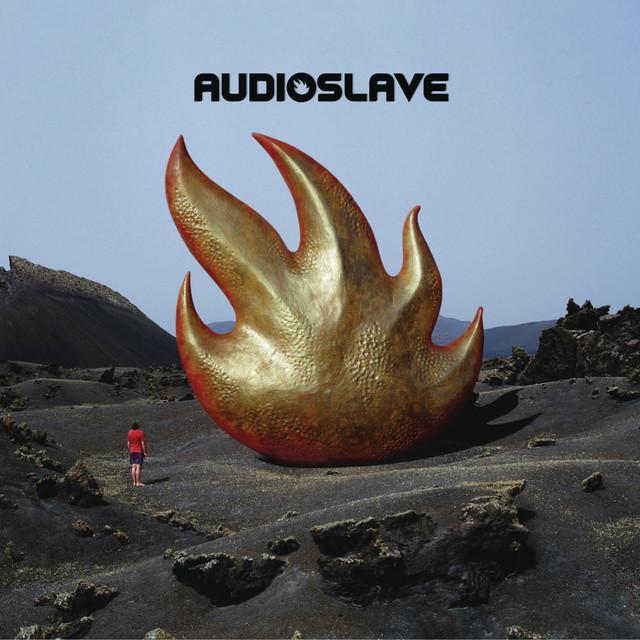
Cochise by Audioslave
The meaning of Cochise Audioslave starts with conflict. This is not a comforting song. It sounds like a speaker staring down someone who is spiraling, blaming others, and refusing to change. But underneath that anger, there is also a hard truth: nobody can save a person who will not help themselves.
"Cochise" - Audioslave
While you've been coughing
I've been drinking life
Loading lyrics...
Unable to load lyrics
We're unable to display the lyrics at this time. Please try again later.
Audioslave released “Cochise” as the lead single from their 2002 debut album Audioslave. The band brought together Chris Cornell with Tom Morello, Tim Commerford, and Brad Wilk, three members of Rage Against the Machine. That supergroup background matters because the song arrives with huge force, almost as if the band is announcing itself through impact alone. American Songwriter also notes that “Cochise” was the first single that introduced the group’s chemistry to the public in a dramatic way.
The Song’s Core Message Burns Fast
On the surface, the lyrics describe someone watching another person fall apart. The speaker sees sickness, denial, and self-harm, then refuses to act like a saint. When they say I’m not a martyr
and I’m not a prophet
, the idea is clear: they will not pretend to be a healer or moral guide.
That refusal is the key to the song. The speaker offers honesty, not rescue. They warn the other person, but they will not hold your hand
through the consequences.
Interpretation: Many listeners hear this as a song about addiction, emotional dependence, or destructive behavior in a relationship. The language about health, sickness, and blame strongly supports that reading. Still, the song stays broad enough that it can apply to any cycle where one person keeps hurting themselves and then punishing others for it.

Watch the official Cochise
music video
The Chorus Turns Tough Love Into a Challenge
The repeated line save yourself
carries most of the song’s meaning. In plain terms, the speaker is saying: if healing is possible, it has to begin with the person who is suffering. No outside person can do that work for them.
But the second half of the hook makes it darker. The other person is told to save themselves and then they still take it out on me
. That suggests a familiar pattern. Even when trying to recover, they lash out at the nearest target.
This is what gives the song its bite. It is not just about self-destruction. It is about displacement—how pain gets redirected onto someone else.
Who Is Speaking Here?
One way to hear “Cochise” is as a direct address to another person. In that reading, the speaker is exhausted by someone else’s chaos. They are setting a boundary with force instead of softness.
A Stronger Reading: One Self Arguing With Another
There is also a deeper interpretation. American Songwriter framed the track as “me yelling at me”, which fits the lyrics surprisingly well. If the song is internal, then the speaker is the stronger, clearer self confronting the damaged or avoidant self.
That makes lines about blame and self-rescue hit harder. The song becomes a private battle: one side wants honesty, the other wants excuses. The title “Cochise” then feels less literal and more symbolic, suggesting a warrior stance against weakness, fear, or self-sabotage.
The Final Verse Goes to the Bottom
The darkest moment comes near the end, when the lyrics picture collapse without stopping it.
Drown, if you want
see you at the bottom
Those short lines do not celebrate suffering. They show the speaker refusing to interrupt it anymore. If the other person insists on sinking, the speaker will not pretend they can prevent it.
The rest of that section describes blame becoming physical and invasive, as if guilt is crawling over the speaker’s body. That image matters. It turns emotional projection into something almost suffocating.
How the Sound Carries the Meaning
The meaning of Cochise Audioslave is not only in the words. It is in the band’s attack. Morello’s guitar tone feels explosive rather than decorative, while Commerford and Wilk lock into a heavy, marching groove. Cornell sings with a mix of command and strain, which keeps the song from sounding cold.
This matters because the music acts out the argument. The verses hold tension, the chorus releases it, and the whole track feels like a fuse racing toward detonation. That made it a strong debut single: it introduced Audioslave as a band built on pressure, groove, and emotional force.
The song’s public debut also came with striking imagery. According to American Songwriter’s reporting on the period, the video was filmed in September 2002 at the Sepulveda Dam in Los Angeles, and the shoot became an early test of the band’s live chemistry.
Why the Title “Cochise” Matters
The lyrics never explain the title directly, which leaves room for interpretation. Cochise was a famed Apache leader known in American history for resistance and resolve. Audioslave have never made the song a strict historical portrait, but the title adds a combative frame.
Interpretation: Used symbolically, “Cochise” suggests defiance, survival, and refusal to submit. That matches the song’s hard stance: endure, confront, and do not confuse honesty with rescue.
Why the Song Still Lands
More than two decades later, “Cochise” still connects because it captures a feeling many people know but rarely phrase so bluntly. It is the breaking point where sympathy meets exhaustion. It understands that care has limits, and that responsibility cannot be outsourced.
That is why the song still feels alive. It is loud, but its message is precise: people can warn, witness, and endure, yet they cannot heal someone who keeps choosing blame over change.
Disclaimer: This interpretation combines lyrical analysis, artist context, and critical commentary. As with most songs, parts of “Cochise” remain open to multiple valid readings.








