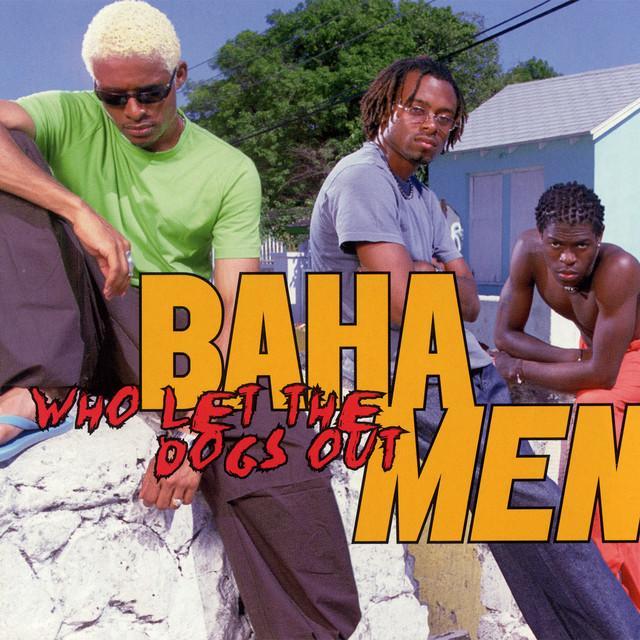
Why 'Who Let the Dogs Out' Means More
The meaning of Who Let The Dogs Out Baha Men is easy to miss because the record sounds so goofy, loud, and built for a stadium. But beneath the chant is a sharper idea: the song is widely understood as a put-down aimed at men who harass women at a party.
"Who Let The Dogs Out" - Baha Men
Who, who, who, who, who?
Who let the dogs out?
Loading lyrics...
Unable to load lyrics
We're unable to display the lyrics at this time. Please try again later.
That reading is not just fan theory. The song was written by Anslem Douglas, who first released an earlier version called Doggie, and he later explained that the hook was a response to men who started insulting and catcalling women. The Baha Men then turned that idea into one of the biggest pop-culture singles of 2000.
A Party Song With a Point
On the surface, the song starts in celebration. The room is alive, the crowd is moving, and everyone is having fun. Then the mood changes. The verses describe men starting trouble with insults, and women answering back.
That is the key to the song’s meaning. When the chorus asks Who let the dogs out?
, it is not asking about pets. It is mocking bad behavior. In this context, “dogs” means obnoxious men who are acting wild, rude, or disrespectful.
Douglas said as much in comments widely cited by music outlets and reference sources. He described it as a response to men who begin name callin'
, after which women fire back by calling them dogs. That explanation matters because it changes the song from random novelty into social comedy with a bite.
Watch the official Who Let The Dogs Out
music video
How the Verses Set Up the Hook
The hook became so famous that many people never paid attention to the story in the verses. But the verses do the real work. They establish a party that is going well, then show tension entering the room.
One important line is the party was bumpin'
. That phrase paints a crowded, joyful setting. The next key idea is that the fun gets interrupted by male behavior. After that, the women answer. So the chorus is less a nonsense chant than a public callout.
And everybody havin' a ball
I tell the fellas stop the name callin'
Those two short lines contain the whole turn. Good times become conflict. The song’s joke lands because it turns a dance-floor chant into a group act of ridicule.
Artist History Makes the Meaning Clearer
The Baha Men did not write the song, but they made it global. Their version was released in 2000 on the album Who Let the Dogs Out, after Douglas had already issued Doggie in 1998. The Baha Men recording was produced by Steve Greenberg and Michael Mangini, and it later exploded through radio, sports use, and Rugrats in Paris: The Movie.
It also became a major hit: No. 1 in Australia and New Zealand, No. 2 in the UK, and a Grammy winner for Best Dance Recording. Those facts help explain why the song’s meaning got flattened in popular culture. Once a track becomes a sports chant, people often remember the hook and forget the setup.
Even the band was not instantly sold on it. Accounts about the song’s history note that some members were initially reluctant to record it. That detail is funny in hindsight, considering it became their signature hit.
Why the Sound Feels So Wild
Part of the meaning of Who Let The Dogs Out Baha Men comes from its production. The track blends pop with junkanoo, soca, breakbeat, and Miami bass energy. The beat is simple, punchy, and repetitive. The chant structure invites a crowd to join in after hearing it once.
That matters because the record behaves like a taunt. It does not sound thoughtful or private. It sounds public. The shouted chorus, barking ad-libs, percussion, and call-and-response vocals create the feeling of a whole room pointing at the same target.
In other words, the production reinforces the lyric idea. If the song is a group response to bad behavior, then the music needs to sound communal, rowdy, and impossible to ignore. It does.
Why People Misread It
There are at least two reasons the song gets misunderstood.
First, the hook is so catchy that it detached from the original context. At games and parties, people use it as a general chaos chant, almost like saying, “Who started this mess?” That is a real part of its cultural life now.
Second, the song leans into cartoonish humor. Phrases like flea infested mongrel
are exaggerated and silly. That silliness makes the insult feel playful, which can hide the sharper gender dynamic underneath.
Two Good Ways to Read It
Interpretation 1: A rebuttal to catcalling
This is the strongest reading because it matches the songwriter’s own explanation. Men disrupt the atmosphere, women answer back, and the chorus labels those men as “dogs.”
Interpretation 2: A broader anthem about unruly behavior
This reading comes from how the song has been used in public. Over time, the hook came to mean any kind of loud, chaotic entrance. That is not the original point, but it helps explain why the track worked so well in stadiums.
Why It Still Lasts
The song survives because it works on two levels at once. It is a joke chant anyone can shout, but it also contains a simple social scene people recognize right away. A fun night gets spoiled. Someone crosses a line. The room answers back.
That mix of humor, insult, and crowd energy is why the record became more than a one-season novelty. It is memorable because it is blunt.
Final Bark, Real Meaning
So, what is the meaning of Who Let The Dogs Out Baha Men? Most clearly, it is a party song that mocks disrespectful men by calling them dogs. Its giant chorus turned that idea into a pop phenomenon, even if many listeners only heard the joke and missed the setup.
That is the strange genius of the track: it sounds disposable, but its central image is pointed and purposeful.
Disclaimer: This interpretation is based on the lyrics, documented songwriter comments, and the song’s cultural history. Like many pop hits, it can still carry different meanings for different listeners.








