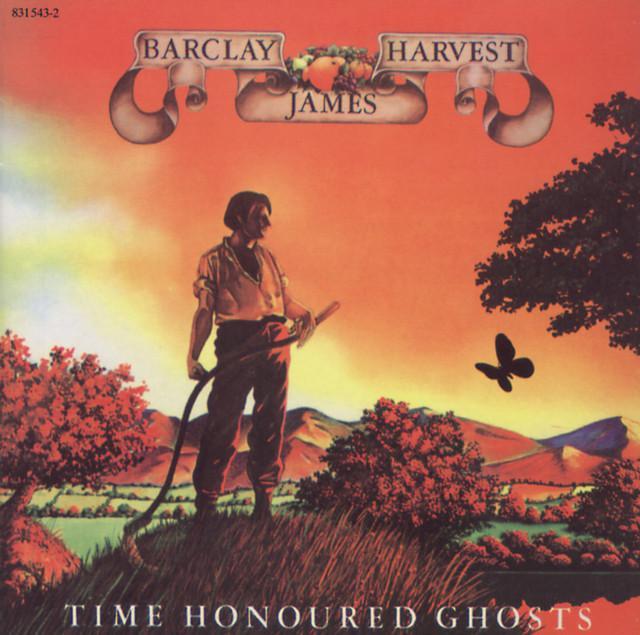
Titles by Barclay James Harvest
The meaning of Titles Barclay James Harvest starts with a clever trick: the song is built from famous Beatles song names, yet it is not just a puzzle for fans. It works as both tribute and commentary. Barclay James Harvest, the English progressive rock band formed in 1966, often mixed melody with reflective writing, and this 1975 track fits that habit well.
"Titles" - Barclay James Harvest
Here comes the sun it's alright people shout for more
But were you trying to deceive telling me
Loading lyrics...
Unable to load lyrics
We're unable to display the lyrics at this time. Please try again later.
Songfacts identifies "Titles" as the third track on Time Honoured Ghosts, while broader band histories place that album in a strong mid-70s run for the group. The album itself reached No. 32 in the UK, a sign that the band had real momentum in that period. Those facts help frame the song: they were not newcomers joking around, but established musicians engaging with the giant shadow of The Beatles.
A Beatles Tribute With a Nervous Edge
On the surface, the lyric strings together familiar references like the long and winding road
and Here comes the sun
. That sounds warm and nostalgic at first. But the song quickly adds doubt, especially when it questions the claim that all you need is love
.
That shift is the key to the song’s meaning. Instead of repeating Beatles imagery only to celebrate it, Barclay James Harvest place those phrases inside a more uneasy emotional setting. The result feels less like imitation and more like a conversation with pop history.
Interpretation: they seem to ask whether great pop slogans still help when a relationship is failing or when someone feels misled. In other words, the song respects the Beatles’ emotional power while also testing their optimism against real life.
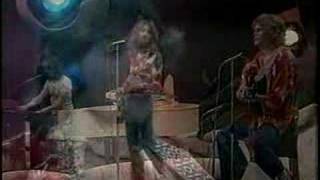
Watch the official Titles
music video
What the Speaker Seems to Feel
The narrator sounds disappointed but not bitter. They remember beauty and movement in another person, as heard in the nod to Something
and yesterday
. Yet they also suggest they may have been sold a simple answer to a complicated pain.
That emotional mix matters. The speaker is not rejecting love itself; they are rejecting the idea that love is an easy formula for success. The line about being deceived gives the song its sting, because it turns borrowed cultural language into a personal complaint.
Lady Madonna let it be
Something in the way
you moved me yesterday
Even here, the song compresses memory, admiration, and loss into borrowed titles. The effect is almost collage-like: big public songs become private emotional fragments.
How the Beatles References Actually Work
A weaker novelty song would stop at recognition. "Titles" does more than that. It arranges references so they trace a journey from hope to uncertainty.
A few key moves stand out:
- Early references suggest warmth, light, and cultural familiarity.
- The middle of the song introduces mistrust and failed belief.
- Repeated returns to the love slogan sound less convincing each time.
- Later space-and-travel imagery, including
Across the universe
, widens the feeling of distance.
Because of that structure, the lyric has an arc. It begins in a shared pop memory and ends in ambiguity. Listeners may smile at the references, but the emotional direction is more serious than the concept first suggests.
Sound, Arrangement, and Why They Matter
Songfacts notes that the track is credited as "Traditional, arranged Lees," and cites the official band site saying the original concept and arrangement were devised by John Lees and Woolly Wolstenholme. That detail matters because arrangement is the whole point here: the song turns familiar cultural material into a new emotional frame.
Barclay James Harvest were known for blending progressive rock, art rock, and melodic orchestral textures. Their 1970s sound often relied on careful atmosphere rather than aggression, and Wolstenholme’s keyboard color was a major part of that wider band identity. In "Titles," the polished, melodic setting keeps the song from feeling sarcastic. It sounds affectionate, but not naive.
Interpretation: the arrangement mirrors the lyric’s double purpose. The music is graceful enough to honor The Beatles, yet measured enough to leave room for doubt. That balance is why the song still feels thoughtful instead of gimmicky.
John Lees, Influence, and a Question of Identity
The additional context names John Lees as the writer, and Songfacts also describes him as a longtime Beatles fan. That personal detail helps explain why the song does not read as parody. It comes from admiration.
At the same time, admiration can create pressure. Any 1970s British band working in melodic rock had to deal with the Beatles’ cultural weight. "Titles" seems to acknowledge that openly. Rather than hide the influence, Barclay James Harvest put it center stage and then asked what those famous words still mean once they leave the radio and enter ordinary disappointment.
That makes the meaning of Titles Barclay James Harvest richer than a simple homage. It is partly about influence itself: how one generation of musicians inherits a language of feeling from another.
The Most Likely Meaning of "Titles"
The best reading is that the song is about the gap between pop ideals and lived experience. It borrows Beatles titles to show how deeply those songs shaped emotional language, then questions whether that language is enough.
A second possible reading is broader: it may also be about how listeners build their lives around cultural myths. Interpretation: when people repeat big lines about love, hope, or healing, they may be borrowing certainty they do not truly feel.
Why the Song Still Connects
What keeps "Titles" interesting is its tension. It is loving without being blind, and skeptical without being cruel. That balance gives it staying power, especially for listeners who enjoy songs about songs, influence, and memory.
In the end, this track is not trying to defeat The Beatles’ message. It is showing how fragile that message can feel in the real world.
Disclaimer: This interpretation combines confirmed song facts with informed reading of the lyrics and music. Meanings can vary from listener to listener.







