Why 'Pompeii MMXXIII' Still Feels So Human
Bastille’s biggest anthem always sounded huge. In Pompeii MMXXIII, that scale becomes the point.
"Pompeii MMXXIII" - Bastille, Hans Zimmer
Provided by LyricFindI was left to my own devices
Many days fell away with nothing to show
And the walls kept tumbling down in the city that we loveLoading...Loading lyrics...
Unable to load lyrics
We're unable to display the lyrics at this time. Please try again later.
The Core of the Song’s Message
The meaning of Pompeii MMXXIII Bastille, Hans Zimmer starts with a strange but powerful idea: people frozen at the end of a civilization are still trying to make sense of what happened. Bastille’s original 2013 hit imagined a conversation between victims of Pompeii, and Dan Smith explained that concept in a brief Radio X interview. In 2023, Bastille revisited the song with Hans Zimmer for the 10th anniversary, turning that idea into something even more cinematic.
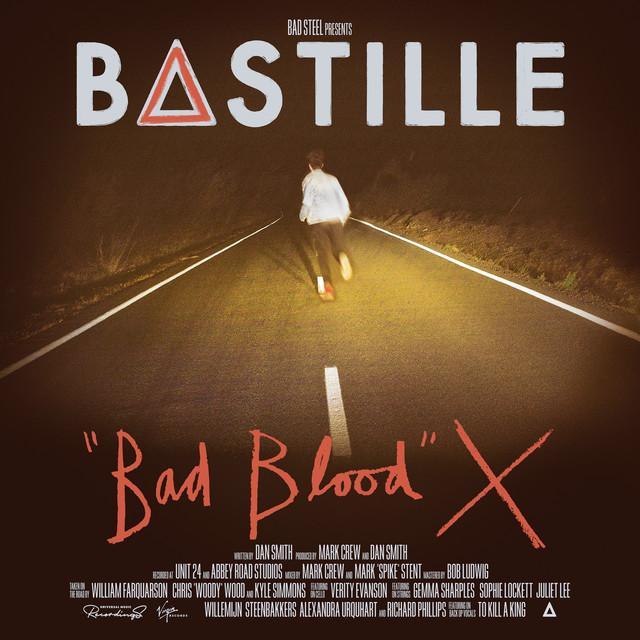
Factually, the original “Pompeii” was released in 2013 as a single from Bad Blood, written by Dan Smith and produced by Smith and Mark Crew. It became Bastille’s breakthrough hit, reaching No. 5 on the U.S. Billboard Hot 100 and later earning major long-term chart success, including a place on Billboard’s all-time alternative rankings.
Interpretation: The song is not only about ancient Pompeii. It is about what people do after disaster, guilt, or emotional collapse. They look away, repeat old habits, and ask how anyone is supposed to stay hopeful.
Ancient Ash, Modern Anxiety
The opening frames a speaker dealing with drift and waste. When they say left to my own devices
, the song suggests isolation and a life that has lost direction. That personal emptiness quickly widens into public ruin.
Then the track moves to collapsing walls, dark skies, and a beloved city under threat. Even without naming every detail, the imagery clearly points to a world breaking apart. Pompeii is the historical model, but the emotion feels modern: burnout, social collapse, regret, and the fear that damage has already been done.
The Chorus Hides a Hard Truth
The famous hook centers on close your eyes
and asks whether it feels like nothing changed. Paraphrased, that is the song’s emotional trick: if people refuse to look directly at loss, they can briefly pretend life is normal.
That is why the next question hits so hard. How am I gonna be an optimist
is not a motivational line. It sounds stuck, almost sarcastic. The speaker does not know how to turn ruin into hope, and the repeated phrasing shows that no easy answer is coming.
Who Is Speaking in “Pompeii”?
Bastille’s concept places the song between two victims of the eruption. That detail matters because it gives the lyrics a ghostly point of view. The people are gone, but their thoughts remain active.
Interpretation: In the song, they sound like witnesses trapped inside the aftermath of their own mistakes. The line about being caught up and lost
in vices widens the meaning beyond natural disaster. The collapse may be external, but it is also moral and emotional.
This leads to one of the sharpest questions in the song:
Where do we begin
the rubble or our sins?
That brief moment brings the whole theme into focus. The damage is physical, but the song refuses to separate that from human responsibility. Ruin and guilt arrive together.
Why the Song Feels So Big
One reason “Pompeii” lasted is that it balances dark imagery with bright, chant-like momentum. The original recording mixes synth-rock drive, pounding drums, and massed vocal hooks. Critics noticed that tension early on; Pitchfork praised how its chorus felt both ominous and uplifting.
In practical terms, that contrast mirrors the lyric meaning. The song describes devastation, yet it moves like an anthem. That mismatch creates its emotional power: people often sing loudest when they are trying not to fall apart.
What Hans Zimmer Changes in MMXXIII
Hans Zimmer’s presence matters because his style amplifies scale, gravity, and motion. In Pompeii MMXXIII, the orchestral reworking makes the song feel less like an indie-pop hit and more like a reckoning. Strings and broader dynamics push the disaster imagery closer to film score territory.
Interpretation: The Zimmer version does not change the song’s meaning so much as reveal it. The original already held apocalypse inside a pop structure. MMXXIII pulls that buried drama to the surface. The result sounds less like youthful anxiety and more like mature reflection after surviving the blast.
Context Makes the Meaning Stronger
Historically, the title points to the Roman city destroyed by Mount Vesuvius in AD 79. But Bastille never treated that event like a museum piece. They used it as a frame for emotional paralysis, denial, and repetition.
That may help explain why the song traveled so far in the United States. It was big enough for pop radio, but its message was more unsettled than most crossover hits. According to Billboard chart history, the original reached No. 5 on the Hot 100 and became one of the defining alternative songs of its era.
The 2023 version also arrived at a good moment for reappraisal. A decade later, listeners hear “Pompeii” differently. What once sounded like an indie anthem about vague disaster now lands more directly in a post-crisis world shaped by anxiety, disruption, and collective fatigue.
Final Reading: Refusing the Easy Escape
So, what is the meaning of Pompeii MMXXIII Bastille, Hans Zimmer? At its heart, it is a song about standing in the ruins and realizing denial will not rebuild anything. The eye-closing refrain offers comfort, but only for a second.
Interpretation: The deeper message is that people often live among emotional wreckage before they admit what has fallen apart. The song captures that suspended moment between disaster and acceptance.
That is why Pompeii MMXXIII still hits. It turns ancient catastrophe into a mirror for modern inner life, then lets Zimmer’s orchestral weight make that mirror feel enormous.
Disclaimer: This interpretation separates confirmed background facts from critical reading. Meaning in music can stay open, and listeners may hear different emotional truths in the song.







